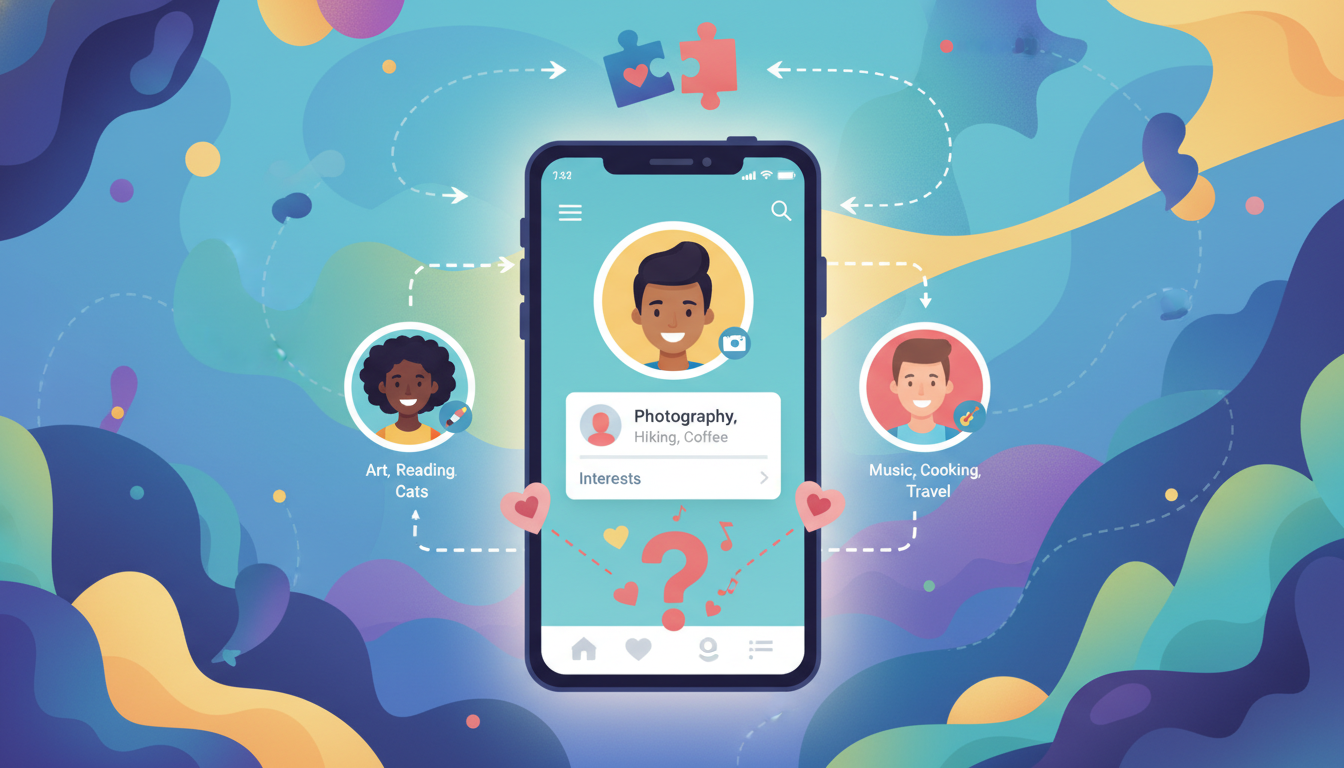
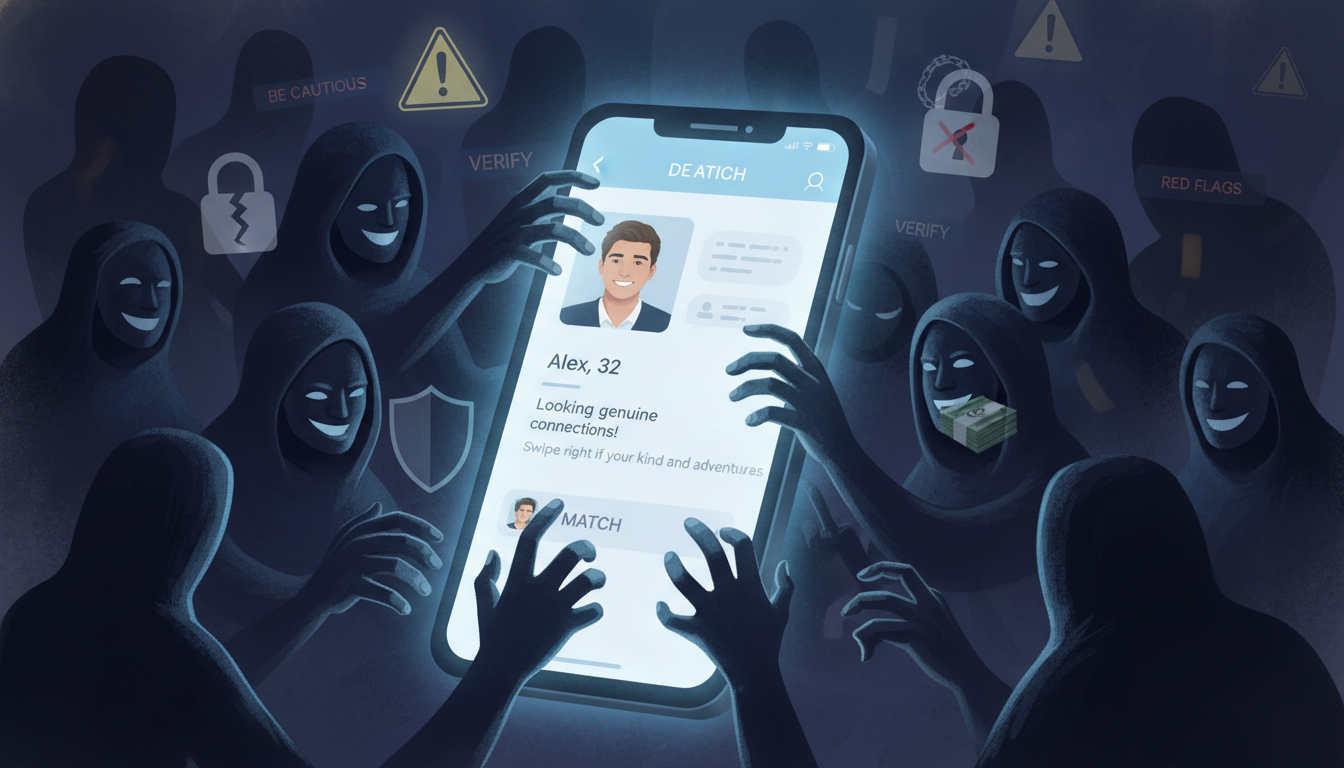
Online dating safety is important for anyone using apps or websites like Tinder, Bumble, Hinge, Match, or OkCupid. This article helps adults make safer, informed choices while exploring connections. The tone is neutral and practical, offering clear guidance without hype.
Ads
We cover key themes: understanding risks, building a privacy-conscious profile, and safe communication practices. You will also learn how to protect personal data, plan secure first meetings, and spot scams and catfishing. Each section gives actionable steps from profile setup through in-person meetings and ongoing safety habits.
These tips are written for everyday use on major platforms and devices. They focus on practical actions like managing profile visibility, using strong passwords, and recognizing red flags. This helps protect privacy and well-being while engaging with potential matches.
Read on for a step-by-step approach that emphasizes a safety-first mindset. The goal is to increase confidence and reduce risk, not discourage meeting new people. Adopt measures that fit your comfort level and situation, and adjust them as relationships develop.
Key Takeaways
- Prioritize online dating safety by applying practical, platform-agnostic measures.
- Create profiles that protect identity while remaining authentic and engaging.
- Keep conversations secure and recognize common manipulation tactics early.
- Protect personal data with strong passwords and cautious sharing of details.
- Plan first meetings in public places and share your plans with a trusted contact.
- Learn signs of scams and catfishing; verify identities before sending money or sensitive data.
- Maintain boundaries as trust grows and pause contact if anything feels off.
Understanding the importance of online dating safety
Meeting people online changes how we start relationships. Remote first contact and limited context make it easier to misrepresent oneself.
This difference raises concerns not common when introductions happen through friends or work.
Why safety matters in the digital dating landscape
Digital platforms connect millions but also create new risks. Consumer-protection agencies report fake profiles and unwanted contact often occur.
These issues can spoil a positive experience and make users hesitant to try new apps or sites.
Risks associated with online interactions and how they impact users
Common risks include fake identities, romance scams, and financial fraud. Privacy breaches can expose sensitive data. Stalking and harassment cause stress and trauma for many.
These harms lead to real problems: financial loss, damage to reputation, and emotional distress. In rare cases, there is physical danger if meetings are not planned carefully.
Risk levels depend on platform design, user behavior, and privacy settings.
How a safety-first mindset improves dating outcomes and confidence
Focusing on privacy, verification, and cautious sharing lowers threat exposure. Simple habits like checking profiles, using verification tools, and protecting key details make talks safer.
Seeing safety as a habit, not a one-time task, helps maintain trust. Using reporting features and community safeguards improves protection for everyone.
This mindset promotes healthier interactions and boosts confidence when dating online or ensuring safety overall.
Creating a secure dating profile with privacy in mind
Strong profiles balance personality with caution. This short guide shows practical steps to protect your privacy in online dating. It also helps keep your profile attractive to genuine matches.
Follow these suggestions to apply best practices for safe online dating. Use online dating security measures that fit your comfort level.
Choosing profile photos that protect identity and privacy
- Pick recent, clear photos that show your face. Avoid images with identifiable home interiors, car plates, or unique street signs.
- Use neutral backgrounds. Crop out coworkers, children, or other people unless you have their consent.
- Remove geotags and strip metadata from files before uploading. Many phones and apps let you disable location services for photos.
Writing bios that are engaging without oversharing
- Keep bios short and conversational. Mention hobbies, favorite books, or activities as conversation starters instead of listing exact routines.
- Avoid full last names, birthdates, workplace addresses, or daily schedules. These details could make you easy to find.
- Offer prompts like “Ask me about my favorite hike” to invite messages without revealing sensitive specifics.
Managing profile visibility and account privacy settings
- Review app privacy controls. Limit who can see your profile photos. Set visibility to friends of friends when possible.
- Disable automatic location sharing. Use platform tools like photo verification or blurred-image previews to add protection.
- Use a unique email for dating accounts. Consider a secondary phone number or Google Voice for verification instead of your primary number.
- Periodically audit connected apps and revoke access you no longer need. Remove outdated personal details and old photos during reviews.
Safe communication practices on dating platforms
Start conversations with a clear safety plan. Keep early messages inside the dating app while you assess tone, details, and consistency.
Dating platforms such as Match, OkCupid, and Bumble offer message logs and reporting tools. These make it easier to document problems.
Following these safe online dating practices reduces risk. It also gives you time to verify intentions before sharing private contact information.
Keeping conversations on the platform vs. moving to private channels
Use the app for initial chats because it limits shared data and keeps a record of interactions. Move to a phone number, text, or video call only after you have reasonable confidence in the other person.
Consider a brief live video check before exchanging private details. This step helps confirm identity and is a practical safety tip many experts recommend.
Recognizing common manipulation tactics and red flags
Watch for requests for money, inconsistent stories, or sudden declarations of deep feelings. Beware of refusal to meet on video or pressure to move off-platform quickly.
Excessive flattery that pushes for fast intimacy is also a red flag. Manipulation often builds slowly and uses emotional pressure.
- Requests for funds or help with emergencies.
- Contradictory personal details across conversations or profiles.
- Avoidance of real-time interactions such as video calls.
- Insistence on private channels before verification.
Use simple verification steps: ask for a live video chat, check social media for consistent information, and pose specific questions tied to facts.
These checks help you stay safe while dating online without making the exchange confrontational.
When and how to block or report suspicious users
Stop communication immediately if you feel pressured, threatened, or if financial requests appear. Preserve evidence by taking screenshots or saving messages.
Block the user to prevent further contact. Then report the account to the app with clear reasons like harassment or suspected scam.
Reporting suspicious behavior protects other users and helps platforms enforce rules.
- Cease communication. Do not respond to further messages.
- Document the interaction with screenshots and notes of dates and claims.
- Block the account inside the app to cut off contact.
- Report to the platform, providing concise reasons and attached evidence.
Set personal rules to stay safe: no financial transfers, no private photos early, and a video chat before meeting.
Use de-escalation strategies like short, neutral replies or firm statements to end contact if boundaries are crossed.
These simple habits create a reliable set of online dating safety tips you can use every time.
Keeping clear boundaries, documenting concerns, and using platform tools are practical measures that support staying safe while dating online and help maintain control over your experience.
Protecting your personal data and digital footprint
Online dating needs more than polite messages. It requires habits that reduce risks and protect your privacy. This guide covers safeguards, what not to share, and how to limit social exposure.
Securing accounts
- Use unique, strong passwords for each dating app. Choose passphrases or random strings and store them in a trusted manager like LastPass, 1Password, or Bitwarden.
- Enable two-factor authentication whenever possible. Use authenticator apps such as Google Authenticator or Authy rather than SMS to lower SIM-swapping risk.
- Review active sessions and devices in your account settings. Sign out of phones and browsers you no longer use.
Personal details to keep private
- Do not share your full legal name, home address, exact workplace details, or financial account numbers.
- Avoid sending images of IDs such as driver’s licenses or passports. Never reveal Social Security numbers or one-time verification codes.
- Think before posting photos showing landmarks or license plates. These can lead to identity theft.
Managing linked accounts and social exposure
- Check which social profiles link to your dating accounts. Revoke unnecessary permissions and stop cross-posting.
- Set Facebook, Instagram, and other profiles to private when you can. Remove tags or posts revealing daily routines or frequent places.
- Create a minimal public profile for social verification only. Use it to confirm authenticity without sharing sensitive details.
Digital hygiene and ongoing checks
- Keep device operating systems and apps updated. Install trusted antivirus or anti-malware tools on phones and computers.
- Clear app caches and review app permissions often. Limit access to location, contacts, and photos unless needed.
- Avoid public Wi-Fi for sensitive talks unless using a trusted VPN. Perform regular privacy audits and delete old or inactive dating accounts.
Following these online dating security steps reduces your exposure and protects your privacy. Small, steady actions make a big difference to your safety and peace of mind.
Preparing for first in-person meetings safely
Meeting someone from an app feels different when done in person. Use practical steps to reduce risk and stay in control. These tips focus on planning, communication, and simple precautions before you go out.
Choose public places and plan logistics
Select well-populated venues like a busy coffee shop, a casual restaurant, or a daytime park. Pick spots with clear exits and good lighting. Plan your meeting time around public transit or rideshare options to avoid isolated areas.
Tell someone and set check-ins
Share your meeting details with a trusted friend or family member. Include the time, place, their first name, and a screenshot of their profile. Plan check-ins like sending a text, enabling location sharing, or making a quick call to stay safe while dating online.
Transport and exit planning
Plan your arrival and departure on your own. Book a ride beforehand or carry cash for transit. Identify nearby safe spots such as stores or hotels to go if you feel uneasy. Trust your instincts and leave immediately if something feels wrong without worrying about explaining.
Practical safety items and boundaries
Fully charge your phone and bring a personal safety alarm if you have one. Limit sharing small personal items and avoid too much alcohol on a first meeting. If the other person acts controlling or aggressive, end the meeting and report it to the dating platform. These steps help keep you safe during online dating.
Quick checklist before you go
- Confirm a public venue and daylight timing.
- Share details and a photo with a contact.
- Plan your own transport and an exit route.
- Charge your phone and bring safety essentials.
Following these simple routines builds more confidence when meeting someone new. Use them regularly for safety while dating online and to build lasting habits. These easy actions form core tips for secure online dating you can trust.
Recognizing scams, catfishing, and financial fraud
Scams on dating apps and sites often start with flattering messages and fast emotional bonding. Staying alert helps you notice behavior that aims to exploit trust. Keep checks simple and respectful while building your connection.
Common signs
- Early requests for money, gift cards, or help with bills.
- Sob stories that trigger immediate sympathy and urgency.
- Long-distance excuses that prevent in-person meetings.
- Reluctance to share verifiable details or join a video call.
- Highly polished or generic photos that appear under different names.
How to verify identity safely
- Ask for a short real-time video call. A live check lowers risk and respects privacy.
- Compare social accounts like LinkedIn and Instagram to check history and photos.
- Use reverse image search tools to see if a photo appears elsewhere with different names.
- Look for verified badges on major apps. They are a signal, not a guarantee.
- Consider reputable background-check services for added caution. Follow legal and ethical limits.
Boundaries during verification
Make sure your verification respects consent and personal privacy. Avoid intrusive or illegal searches. Clear, polite requests for simple proof work best and keep things positive.
If you suspect fraud
- Stop contact immediately. Preserve evidence with screenshots and dates.
- Block and report the account to the dating platform quickly.
- Contact your bank if money or banking details were shared. Notify consumer agencies when needed.
- File a police report if you face threats or lose a lot of money.
Prevention tips
Never send money, gift cards, or banking info to someone you met online. Pause and talk to trusted friends or consumer agencies before acting on pressure. These habits protect your privacy and improve online dating safety.
Best practices for ongoing safe online dating
As relationships move beyond initial chats, keep safety active and intentional. Clear limits and steady communication reduce misunderstandings. Treat safety as part of trust building, not as an obstacle.
Maintaining boundaries as connections develop
Set and state simple boundaries early. Say how often you like to message and which topics feel private. Share your comfort level with photos or live locations.
Restate limits calmly if they are crossed. Use short, firm phrases when needed. For example: “I don’t share my address before meeting in person” or “I prefer to keep our chats on the app for now”.
Consistent enforcement helps both people understand expectations.
Balancing openness with caution as trust grows
Let trust build in steps. Exchange basic personal details only after repeated, consistent interactions. Consider meeting in public or meeting mutual friends before sharing more sensitive information.
Verify social profiles before sharing sensitive info. Watch for behavior patterns, not single moments. Steady actions over time are a better gauge than charm or quick confessions.
Follow safe online dating practices by combining patience with common-sense checks.
When to pause or end contact and how to do it safely
Step back if someone pressures you for money, ignores your boundaries, or tells inconsistent stories. Controlling behavior and emotional discomfort are also valid reasons to pause app activity.
- Pause: send a brief note that you need time, then mute or limit contact.
- End: use a short, clear message such as “I don’t wish to continue this conversation.”
- Protect: block and report anyone who becomes abusive or threatening.
When safety feels threatened, prioritize your well-being. Use online dating safety tips to protect both your data and emotional health.
Keep learning about threats and platform updates. Follow consumer-protection organizations and digital-safety blogs for the latest advice. Refreshing your approach is key for safe online dating.
Conclusion
Online dating safety depends on simple steps you can repeat. Prioritize privacy when building profiles. Use platform tools to communicate safely.
Protect personal data by using strong passwords and two-factor authentication. These actions help reduce risks without making dating feel hard.
Check identities carefully and plan first meetings in public places. Tell a friend your plans and set a safety rule. For example, never send money or share financial details.
These tips help you avoid scams and manipulation while staying engaged with potential matches.
Keep clear boundaries as you connect with others. Review your settings often to stay secure. No method is perfect, but combining steps lowers your risk.
This balanced approach helps you make smart choices and supports healthier interactions online.
Take action now: review profile settings and enable two-factor authentication. Pick one simple safety habit to follow before meeting someone.
With steady care and safety features, users can explore dating with more confidence and fewer surprises.
Content created with the help of Artificial Intelligence.