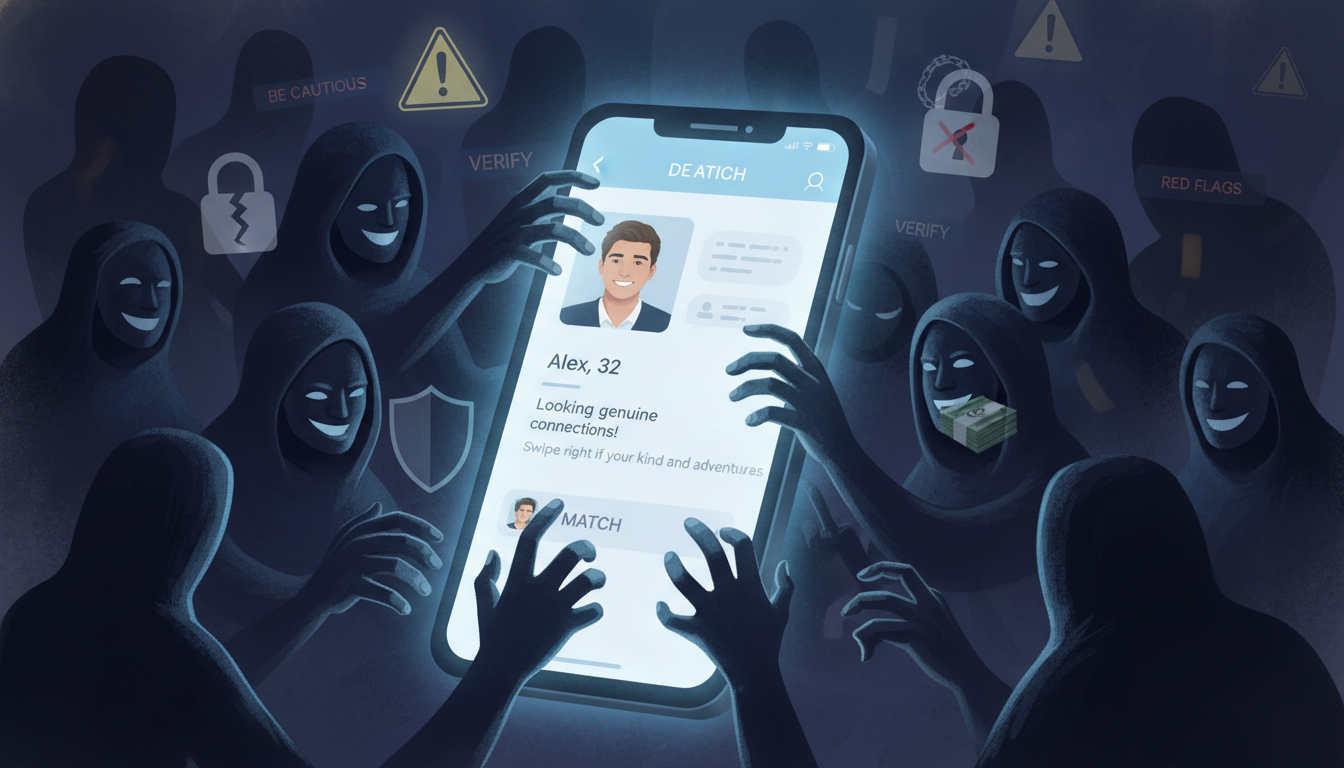
Match Selection means finding higher-quality, compatible people on dating apps.
Ads
This guide gives practical, evidence-based strategies to help you choose matches more carefully.
It aims to improve outcomes but does not promise guaranteed success.
The audience is adults using digital platforms who want clearer decision-making tools.
The tone is informative and balanced to help readers understand options and act with purpose.
You will find straightforward advice, not hype or unrealistic promises.
Key terms matter.
Compatibility means shared values, life goals, and communication styles.
Dating standards include preferences and boundaries.
Preferences are flexible likes; dealbreakers are limits that protect your time and well-being.
Use this guide step by step.
Sections cover profile setup, filters, communication, safety, and long-term compatibility strategies.
Apply suggestions, test what works, and adjust standards based on your experience.
This article aims to help you choose matches with clarity.
It reduces time wasted on poor fits.
It offers online dating tips that stress safety and realistic expectations.
Key Takeaways
- Match Selection means choosing who to engage with based on compatibility and shared goals.
- Differentiate between flexible preferences and nonnegotiable dealbreakers to protect your time.
- Start with a clear profile and smart filters before investing conversational effort.
- Use online dating tips iteratively—measure results and refine your dating standards.
- Practical moves reduce overwhelm and increase the chance of finding better matches.
Crafting an Effective Profile to Attract Better Matches
Your profile is the first filter in online dating. Clear choices in photos, a tight bio, and thoughtful prompts help you attract people whose priorities align with yours.
Follow straightforward online dating tips to make your profile both honest and efficient.
Choose photos that reflect your personality and lifestyle
- Lead with a clear headshot that shows your face and smile in natural light.
- Add a full-body image for realistic context.
- Include 1–2 lifestyle shots of hobbies, travel, or social settings to suggest activity compatibility.
- Avoid heavy filters and group photos as main images so viewers can quickly identify you.
Write a concise, compelling bio that signals your values
- Keep it short: two to four sentences that state work, core values, and a conversation prompt.
- Use concrete details instead of broad clichés. Mention an interest like weekend hiking or cooking Italian to invite replies.
- Signal non-negotiables such as family focus or an active lifestyle without sounding rigid.
Use profile prompts and interests to filter compatible people
- Pick prompts that show your communication style and what you prioritize in relationships.
- Select interests and badges that reflect long-term goals when relevant, such as travel or career focus.
- Use these signals to self-select and to help others decide whether to choose matches with similar aims.
Practical examples speed decisions. For a long-term intent, pair a friendly headshot and a weekend-hike photo. Add a bio like: “Product manager who loves trail runs, Sunday dinners with family, and planning simple trips—ask me about the best local trail.”
For shorter-term dating, focus on shared activities and clear availability.
A coherent profile reduces mismatches and improves inbound interest. When you craft each element with purpose, it helps you find better matches.
Understanding Match Selection: Define Your Dating Standards
Clear dating standards make Match Selection faster and less stressful. Knowing what matters helps you avoid profiles that won’t fit your life.
This guide helps you see the difference between non-negotiables and nice-to-haves. It shows you how to build realistic criteria. You can adjust your approach to choose better matches.
Distinguish between dealbreakers and preferences.
Dealbreakers are traits you cannot accept, like a mismatch in family plans or repeated dishonesty. Preferences are qualities you like, such as shared hobbies or similar fashion sense.
Mixing dealbreakers and preferences can cause confusion and missed chances when you look at profiles.
Create realistic standards that maintain your boundaries.
List four to six priorities that combine values, lifestyle, and logistics. Include basics like location and relationship goals.
Rank these priorities so you know what to hold firm on and where you can be flexible. Avoid a rigid checklist, which can exclude good matches for small reasons.
How to adjust standards based on dating goals.
If you want a long-term partner, focus on shared values and daily lifestyle. For short-term dating, prioritize chemistry, availability, and clear communication.
Change your filters and profile questions to match your current goal. This helps you find the best matches for the moment.
Try this quick worksheet to speed Match Selection:
- List dealbreakers (non-negotiable).
- List preferences (desirable but flexible).
- List negotiables (open to discussion).
- Score each potential match against these to decide if you want to pursue them.
Following these steps helps you choose matches with higher compatibility. It also protects your time and emotional energy.
Clear standards guide faster decisions. They reduce fatigue while using dating apps.
Optimizing App Settings and Filters to Find Better Matches
App settings and filters are useful tools. They help narrow down people who fit your priorities. This saves time when choosing matches.
Use these settings to support your Match Selection strategy. Pair filters with a clear profile. This attracts better matches.
Set location, age, and distance filters strategically.
- Pick a realistic distance range based on how far you will travel for a date. Small towns need wider radiuses than dense cities.
- Set an age bracket that fits your standards. Allow some flexibility for chemistry.
- Avoid narrow geographic filters when matches are few. Widen the range slightly to avoid missing strong fits.
Use advanced filters and premium features wisely.
- Choose filters tied to dealbreakers or core values, like education, children, or lifestyle habits. Apps like Tinder, Hinge, Bumble, and OkCupid offer these.
- Try premium features like boosts or visibility windows when your profile is polished. Boosts increase exposure but don’t replace a weak profile.
- Focus on features that improve Match Selection, such as “liked you” or reverse match tools. These show people already interested in you.
Regularly update filters as your priorities change.
- Check your filters every 4–8 weeks or after dates that show misalignment.
- Change settings when life events happen, like a move or new dating goal.
- Note which setups lead to better conversations. Use this information to repeat success.
Keep a simple log of filter combos and results. Try boosts when activity is high. Combine filters with a clear profile to improve match chances.
Evaluating Profiles Quickly: Red Flags and Green Flags
Quickly evaluating profiles saves time and protects your emotional energy during Match Selection. Scan for clear signals that hint at compatibility before starting a conversation.
Use a focused checklist to triage matches with both speed and care.
Behavioral signs that indicate compatibility
- Thoughtful prompts and specific interests show reflection and personal effort.
- Group photos or mentions of friends and family hint at stable social ties.
- References to goals or future plans suggest someone who thinks long-term.
- Consistent tone across photos and text usually matches communication style in messages.
Profile inconsistencies and what they mean
- Mismatched job titles, locations, or timeline details may signal carelessness or misrepresentation.
- Heavily edited images or repeated use of the same facial crop might need gentle verification.
- Conflicting statements between bio and prompts should lead to a simple question for clarity.
Red flags to avoid and green flags to prioritize
- Red flags include vague bios, frequent sexual emphasis, pressure to move off-app quickly, and hostile language.
- Green flags are clear communication, thoughtful details, recent activity, and shared key goals.
- Apply a three-strike rule: two or more red flags is reason to move on. Allow cultural or contextual differences.
Use a short checklist for quick scans to support match selection. Check profile completeness, specific interests, recent activity, and any dealbreakers stated.
This structured approach helps focus on candidates with better potential for true compatibility.
Writing Messages That Lead to Real Connections
Good messaging turns a match into a conversation that shows true compatibility. Use simple techniques to test tone, curiosity, and emotion.
Clear, paced exchanges help you pick matches that fit your priorities. They help you move toward better connections.
Openers that reference shared interests or profile details
- Note a specific detail from a photo or bio like a book title, hiking spot, or concert. Ask a light, open question that invites a short story.
- Try: “I see you read Malcolm Gladwell—what chapter stuck with you?” This opener shows attention and starts real talk.
- Avoid one-word greetings. Short, personal openers increase response rates and make Match Selection easier.
How to move from small talk to meaningful conversation
- Mirror details from earlier replies and ask follow-ups that go deeper. For example, after “I love trail running,” ask “What do you enjoy most about it?”
- Shift to values-based topics once you build rapport. Ask about weekend plans, what energizes them, or memorable trips.
- Use reflective listening: repeat a point, then add a curious question. This shows engagement and helps find compatible communication styles.
Timing, tone, and follow-up strategies for better responses
- Reply within a reasonable time to show interest while keeping boundaries. Immediate, nonstop replies can feel overwhelming early on.
- Match tone to the other person but stay true to yourself. Use positive language and avoid sarcasm that might be misread in text.
- If a message stalls, send one polite follow-up after a few days or try a playful prompt to revive chat. If no reply, move on and save energy.
Track the openers and questions that work well. Reuse successful formats with fresh personalization.
These messaging habits are practical tips that make Match Selection clearer. They help you write messages that lead to real connection.
Using Compatibility-Based Strategies for Long-Term Success
Choosing partners with long-term potential takes more than attraction. Start with clear dating standards. Focus on compatibility when you assess profiles and conversations.
Small, targeted checks early on save time. They help you find better matches who share your goals.
How to identify shared values and life goals early
Ask simple, concrete questions about family plans, work priorities, and typical weekends.
Notice if their stories match their stated goals. Consistency between words and behavior shows shared values that lead to smoother alignment over time.
Assessing emotional availability and communication styles
Look for balance in how someone replies. Open, reflective answers often show emotional availability. Short, dismissive replies may suggest avoidant patterns.
Test communication styles with a few scenarios, like a scheduling conflict. See how they problem-solve and respond under mild stress.
When to prioritize chemistry versus compatibility
Chemistry fuels attraction. Compatibility supports longevity.
Early on, let chemistry guide initial meetings. Then add compatibility checks before progressing. If attraction clashes with core values, slow down and reassess.
- Move from app chat to a low-stakes meeting within 1–3 weeks to gauge nonverbal cues and rapport.
- Use brief, specific questions to confirm lifestyle alignment without heavy interrogation.
- Apply Match Selection filters to emphasize shared goals rather than surface traits.
These approaches match standard online dating tips. They improve Match Selection outcomes and help spot compatible partners. This reduces time spent on mismatches.
Safety, Boundaries, and Managing Expectations on Dating Apps
Using dating apps well means having habits that protect your time, privacy, and mental health. Simple routines can improve safety and make Match Selection less stressful. These steps help you choose matches with more confidence.
They also keep dating enjoyable for the long run.
Protecting personal information and spotting scams
Don’t share home or work addresses, financial details, or personal documents on your profile or in early messages. Use in-app messaging until you trust that person. If someone asks for money or tells mixed stories, see that as a warning.
Check suspicious photos with a reverse image search. Report and block users who push you to leave the platform. Learn about safety centers and report buttons for fast help.
Setting boundaries around availability and messaging
Decide when you will check messages and how fast you will reply. Set limits on late-night chatting and how soon you agree to meet. State your boundaries clearly and politely if needed.
Use mute, block, or privacy settings when someone crosses a line. Clear boundaries lower stress and make Match Selection more thoughtful.
Managing expectations to reduce burnout and ghosting
Accept that not every match leads to a date or relationship. Track progress with goals like meaningful conversations, not raw matches. This helps keep momentum without false hopes.
Take breaks to avoid fatigue. Plan off-app activities and limit daily swiping time. When ghosted, respond briefly or not at all, then move on. A short break after rejection helps you reset.
Using these tips supports safer behavior and clearer judgment. Managing expectations and protecting privacy improves decisions and lowers emotional costs while choosing matches.
Conclusion
Match Selection works best when you take small, careful steps. Start by improving your profile and photos so they show who you really are.
Next, set realistic dating standards. Know the true dealbreakers and separate them from simple preferences. Use filters on dating apps to narrow your search.
Learn to spot green flags in profiles that show potential compatibility. Use practical online dating tips when messaging and assessing matches.
Write three openers that mention details from the profile. Test different tones and times. Guide conversations toward values and long-term goals.
Check your settings regularly. Update your dealbreakers and preferences to fit your priorities. Adjust filters to match what matters most to you.
Try a two-week test with new settings and messages. Afterward, think about what worked and what didn’t. Choose matches carefully, not on impulse.
Small changes and steady effort help find better matches over time. Big changes usually make it harder to see what works.
Use this guide as a tool to choose matches with honesty and safety. Focus on compatibility and progress, not quick fixes or promises.
Treat dating as a process you can improve. Keep refining your profile, communication, and standards as you learn each step of the way.
Content created with the help of Artificial Intelligence.