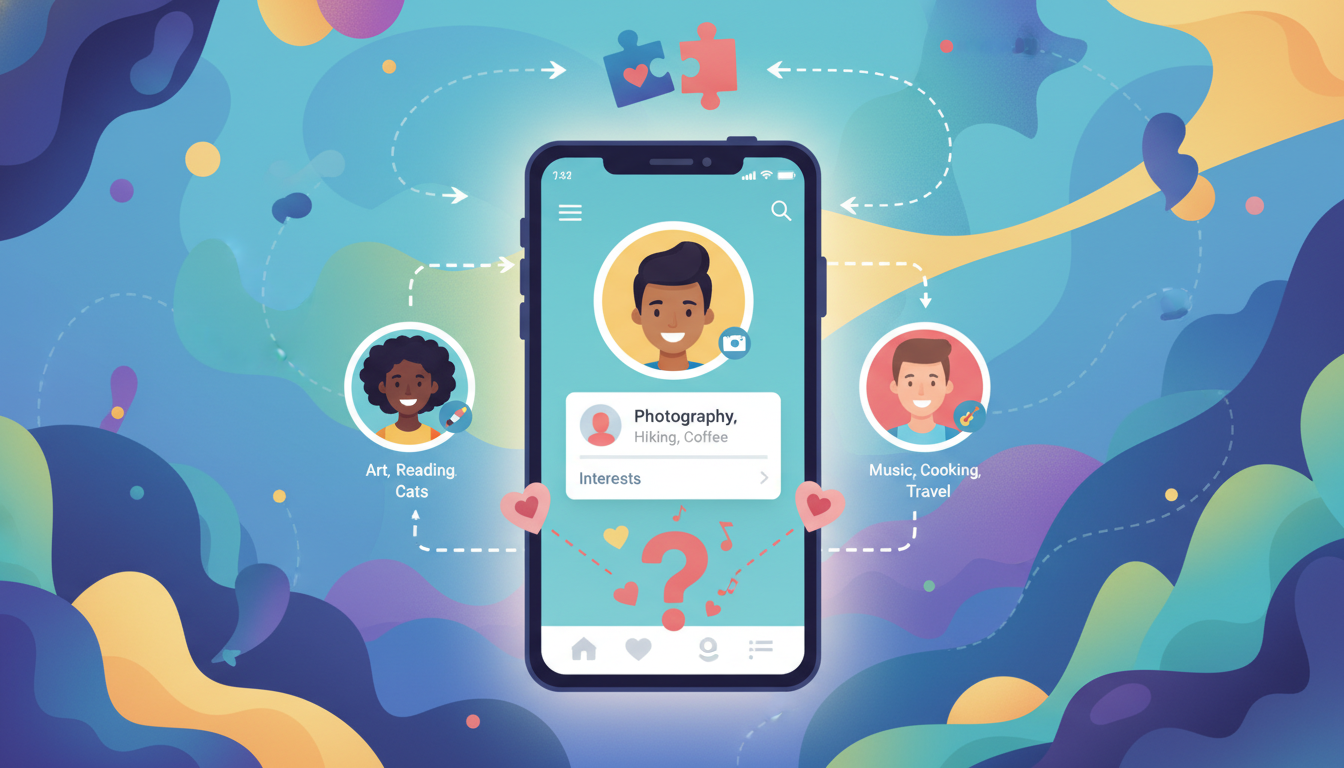
Confidence in dating means self-assurance, clear communication, and the ability to bounce back from setbacks. This article gives practical Confidence Boost strategies. These tips will help your confidence in both online and in-person dating.
Ads
You will find suggestions based on evidence. They cover daily routines, mindset shifts, appearance, communication skills, and ways to track progress.
Confidence is a skill you can learn. It grows from behaviors, thoughts, and how you present yourself physically. Small habits like regular grooming and short practice conversations can improve how attractive you appear.
These habits also help cut social anxiety. Such simple steps create real benefits and move you toward self-improvement.
This guide takes a neutral, practical approach. It offers guidance based on trusted psychological research, health advice, and online dating best practices.
There are no guarantees, only helpful advice. Readers should try methods bit by bit and choose what fits their values. Combining habits, skill building, and resilience improves attraction over time. This creates lasting confidence in dating.
Key Takeaways
- Confidence is a skill you can build with consistent habits and mindset work.
- Small, daily actions support self improvement and visible attraction gains.
- Combine grooming, clear communication, and practice to boost dating confidence.
- Use research-backed methods and mainstream health guidance for reliable results.
- Track outcomes and iterate toward better online dating success and in-person connections.
Why confidence matters in dating and attraction
Confidence shapes early moments and long-term patterns in dating. A clear Confidence Boost changes how others read your signals.
Small improvements in posture, tone, and internal narrative make social interactions smoother and more rewarding.
How confidence influences first impressions
First impressions form in seconds. People notice upright posture, steady eye contact, and a calm voice. These cues affect views of competence, warmth, and status.
Research in social psychology shows that initial cues lead observers to infer traits like trustworthiness and desirability. Dating confidence can raise your perceived mate value before a word is exchanged.
Practical changes can shift reactions during a date or while swiping. Try a brief power pose before meeting someone or wear clothes that feel comfortable and polished.
The role of body language in perceived attractiveness
Nonverbal cues carry weight in attraction. Open gestures, relaxed shoulders, and expressive facial movements show ease and availability.
Closed-off behaviors like crossed arms or a hunched stance suggest insecurity. Vocal tone matters too; an even pace and genuine smile increase warmth.
- Practice brief power poses to steady nerves.
- Use comfortable eye contact without staring.
- Mirror subtle gestures to build rapport.
Why mindset impacts long-term dating success
Mindset guides how you interpret outcomes. A growth mindset treats skill as improvable and encourages persistence after setbacks.
Confidence from realistic self-efficacy lasts longer than short-lived bravado. Track small wins and use rejection as feedback, not proof of low worth.
Consistent effort in body language, social skills, and mindset produces steady gains in dating confidence and lasting attraction over time.
Practical Confidence Boost habits to start today
Small, consistent changes power long-term dating confidence. This short guide offers simple daily habits and focused practices you can try now.
Each suggestion ties to self improvement and fits into busy schedules.
Daily routines that build self-belief
Begin the day with a brief routine: light exercise, shower, and dressing with purpose. A one- to two-minute intention-setting exercise helps frame social goals.
This exercise also reduces stress before dates.
Consistent sleep, balanced meals, and regular movement support mood and energy. These basics create a stable platform for confidence.
They also make social risks feel easier to take.
Micro-practices help when time is tight. Try controlled breathing or a one-minute posture check before leaving the house.
Those small moments raise alertness and reinforce self-belief.
Small wins and habit stacking for momentum
Break larger aims into tiny tasks. For example, compliment one new person this week or ask one open-ended question on a date.
Small wins build momentum and reduce performance pressure.
Use habit stacking to attach new practices to existing routines. After your morning coffee, spend five minutes on a quick visualization.
This technique makes new habits easier to keep and ties into measurable progress.
- Choose one micro-task each week.
- Record progress in a simple journal.
- Celebrate small steps to reinforce behavior.
Using affirmations and visualization effectively
Keep affirmations short, specific, and factual. Phrases like “I prepare thoughtful questions for dates” are clearer than vague praise.
Say them in the present tense and pair them with action.
Visualization works best when it includes sensory detail. Mentally rehearse a calm response to nervous moments.
Imagine how you will listen and ask follow-ups. Realistic rehearsal reduces anxiety on actual dates.
Use affirmations and visualization as tools, not replacements for practice. Combine them with real interactions.
Review outcomes in your journal to guide continued self improvement.
Improving dating confidence through self-improvement
Building dating confidence starts with practical steps you can take today. Focus on habits that strengthen your body, calm your mind, and sharpen social skills.
Small, consistent changes in physical health, mental health, and skill-building create a steady Confidence Boost.
Physical health: exercise, grooming, and style
Regular exercise raises energy and improves posture. Strength training and cardio help you feel more present during dates.
A routine that fits your schedule supports long-term self improvement.
Basic grooming sends a clear signal of self-respect. Keep hair trimmed, maintain oral hygiene, and wear clean, well-fitting clothes.
Minor investments like a good haircut or tailoring offer a large return in dating confidence.
Choose a personal style that feels authentic and appropriate for the context. Comfort and fit matter more than following every trend.
When clothes reflect your taste, you project calm assurance.
Mental health: managing anxiety and negative self-talk
Anxiety about dating is common. Practice paced breathing and simple mindfulness exercises to reduce physical arousal before conversations.
These techniques support calmer presence.
Challenge negative self-talk by testing beliefs against reality. Replace extreme statements with balanced self-statements that reflect evidence.
This reframing is part of effective self improvement.
If anxiety significantly impairs daily life, seek professional support.
Therapists using cognitive behavioral therapy or acceptance and commitment therapy can offer practical tools for sustained change.
Skill-building: conversation, flirting, and storytelling
Develop conversation skills with open-ended questions and active listening. Use brief self-disclosures and follow-up questions to build rapport.
These techniques strengthen dating confidence in real interactions.
Practice flirting through playful, respectful cues and light compliments. Pay attention to responses and adapt.
Consent and calibration ensure flirting feels natural and safe.
Work on storytelling by keeping stories concise and engaging.
Aim for a clear beginning, a small conflict, and a resolution that reveals values or humor. Strong stories make you memorable.
Consider books on communication, local workshops, or improv classes to practice in low-pressure settings.
These resources support steady progress in conversation skills and flirting, and add momentum to your overall Confidence Boost.
Attraction tips for in-person and online dating
Balancing online and real-world approaches helps you build steady momentum. Use simple steps for profile tips and messaging. Show who you are clearly and warmly in person to connect better.
Profile optimization starts with honest photos and a short bio. Choose a headshot, a full-body image, and lifestyle pictures showing your interests. Keep lighting clear and avoid heavy filters.
Write short, specific lines about hobbies and values. Add a light prompt to invite conversation. Test different images over time to see which work best.
Use platform features like prompts or badges to highlight traits. Small updates can improve results. This increases matches and makes exchanges more meaningful.
Messaging should show attention and calm confidence. Open with something specific from their profile to show you read it. Keep messages friendly and curious, not intense.
Balance personality and brevity. End with an open question to invite a reply. Avoid apologetic language or underselling yourself.
State clear intent about wanting to meet. Leave room for their timeline. This approach boosts confidence and improves response rates without sounding pushy.
In-person dating benefits from direct, situational openers. A simple introduction works better than a rehearsed line. Name yourself, smile, and offer an observation about the moment.
Practice active listening: mirror key points, summarize briefly, and ask follow-up questions. Good listeners feel more attractive and create safer conversations. Escalate attraction gradually with compliments, focused attention, and consensual physical cues.
Always read boundaries and signals. Respect for limits builds trust and leads to better outcomes. Use the same honest, calm approach you use online for in-person dating success.
- Primary photo: clear headshot with a natural smile
- Bio: short, specific statements and a conversation prompt
- Messaging: reference profile details; ask an open question
- Openers: situational or simple introductions
- Listening: mirror, summarize, and probe with follow-ups
Mindset shifts to improve dating outcomes
Small changes in mindset shape how you show up on dates. Shifting perspective helps protect your emotional energy.
It supports steady progress toward healthier connections. Use practical steps to turn setbacks into learning moments.
Create clearer standards for yourself to guide your dating experience.
Reframing rejection and building resilience
Treat rejection as feedback rather than a personal verdict. A mismatch often shows different needs, not a flaw in you.
- Short recovery rituals speed recovery: take a walk, write in a journal, or call a friend.
- Repeat gentle exposure by accepting more low-stakes social invitations to grow comfort and competence.
- Track small wins to strengthen dating confidence after each interaction.
Adopting an abundance mindset vs. scarcity thinking
An abundance mindset reduces pressure on any single encounter. It moves attention from fear of loss to curiosity about options.
- Expand your channels: try events, hobby groups, and different dating apps to widen possibilities.
- Keep optimism balanced with discernment to stay selective without closing off opportunities.
- Remember abundance supports resilience by lowering the stakes of each outcome.
Setting realistic expectations and healthy boundaries
Be clear about what you want from dating. State preferences respectfully when it feels appropriate.
Clear expectations reduce misunderstandings and save time. Define boundaries to protect your time and emotional energy.
- Decide how you will respond to red flags and communicate limits calmly.
- Set realistic timelines: focus on consistent effort and compatibility instead of instant results.
Practicing these shifts builds lasting resilience and a reliable Confidence Boost. Over time, a stable mindset strengthens dating confidence and helps you maintain healthy boundaries while exploring relationships with an abundance mindset.
Measuring progress and iterating on your dating strategy
Tracking your dating activity helps you see what works without making it feel like a study. Keep notes that are simple and clear. Small records help build confidence over time.
Tracking interactions and outcomes without overanalyzing
- Record basics: matches, conversations, dates, and a short rating of comfort and connection.
- Use a simple spreadsheet or app to spot trends. Notice patterns in photos, messages, and venues.
- Focus on trends, not single events. Avoid obsessing over each outcome to reduce anxiety.
Asking for feedback and learning from dates
- Ask trusted friends for honest feedback on your profile and photos. Choose friends who offer helpful advice.
- After dates, write one or two clear takeaways: ask more open questions or adjust timing.
- If possible, gentle feedback from a date can help. Avoid criticism that might hurt your connection.
When to pause, reassess, or seek coaching
- Take a break if dating feels draining or repeats negative patterns. Use this pause to reset goals.
- Review your goals and methods every few months. Change photos, messages, or places if needed.
- Consider coaching or therapy for ongoing anxiety or low self-esteem. Check credentials and reviews first.
Use progress tracking as a practical tool. Combine simple notes with honest feedback to improve your approach. Targeted coaching can speed up your dating confidence growth.
Conclusion
This Confidence Boost framework explains why dating confidence matters and how daily habits support steady self improvement.
It begins with understanding how mindset and body language shape first impressions.
Add practical attraction tips for in-person and online dating success.
The goal is clearer choices, not instant results.
For next steps, pick one daily habit, one skill, and one metric to track this week.
Focus on a short routine that builds momentum.
Practice a conversation or profile tweak and note results like meaningful exchanges.
Small, consistent actions lead to real change in dating confidence.
Keep expectations realistic: progress is best through informed experimentation and self-care.
Use habit work, skill-building, mindset shifts, and measurement to grow stable confidence.
This confidence should match your values and help you form better connections over time.
Content created with the help of Artificial Intelligence.