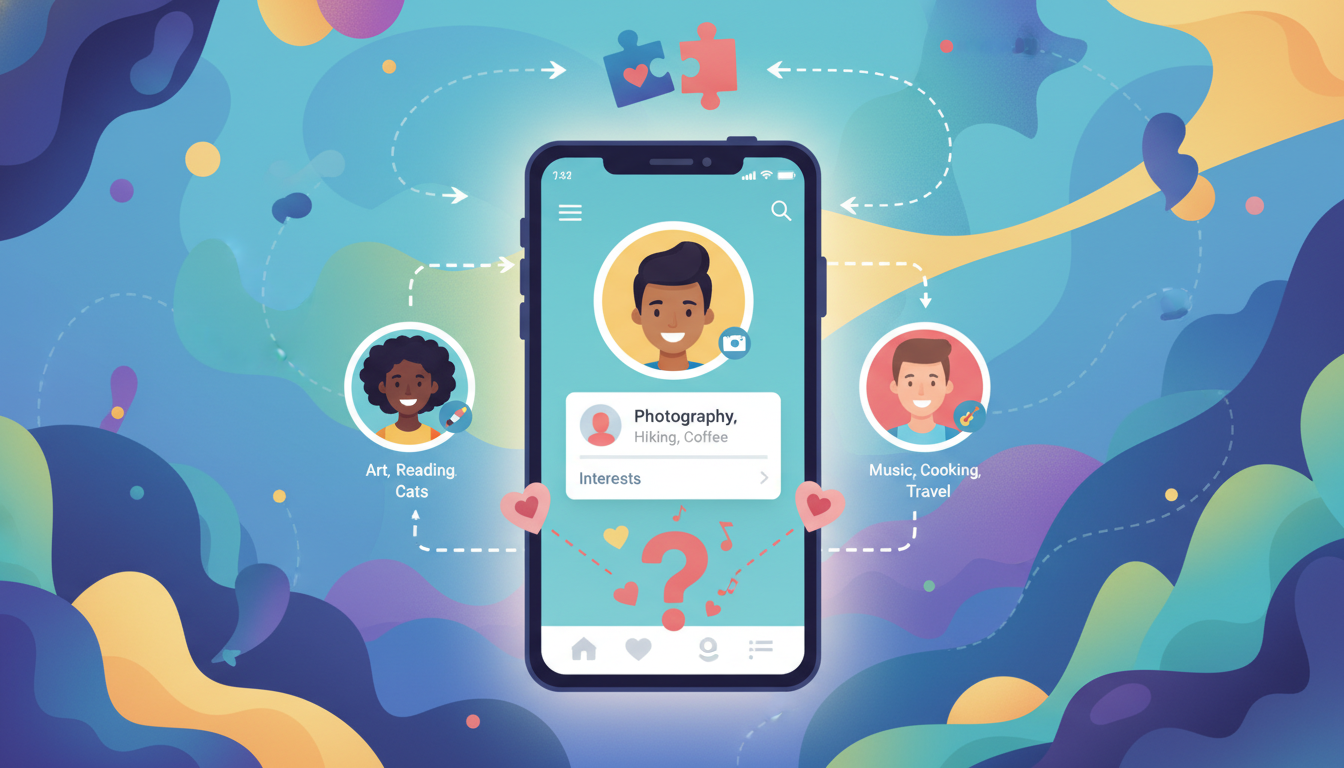
Messaging on Tinder, Hinge, Bumble, OkCupid, and Match.com turns first impressions into plans. For busy singles in the United States, conversation skills decide if a match fades or leads to a date.
Ads
This short guide shows practical steps to keep chats interesting and move toward meetings without awkwardness.
The promise is simple: clear strategies for starting chats, keeping momentum, and turning matches into safe, low-pressure dates.
You’ll get tips on writing better openers, using profile clues, asking at the right time, and handling lulls or ghosting.
We also cover etiquette and safety so you can build rapport while protecting your boundaries.
Our reader is a time-pressed dater wanting real results.
If you use dating apps and need tips that actually work, this guide is for you.
You’ll learn why chat skills matter, how to craft engaging messages, when to suggest meeting, and how to read signs of readiness.
All advice is in straightforward, usable language.
Industry trends show messaging is often the gatekeeper to in-person connections.
Successful daters combine open-ended questions, personalized profile details, well-timed asks, and simple date ideas to improve success.
Follow these steps to sharpen your conversation skills and improve your dating app results.
Key Takeaways
- Good conversation skills turn matches into meetings by building trust and curiosity.
- Use profile cues and open-ended prompts to keep conversations interesting in chat.
- Timing your ask and offering low-pressure date ideas increases the chances of a meetup.
- Balance humor, warmth, and boundaries to show confidence without oversharing.
- Handle lulls and misunderstandings with short, clear re-engagements and empathy.
Why Conversation Skills Matter in Online Dating and Chat
Good conversation skills shape how someone sees you in the first few messages on dating apps. The right opener and thoughtful replies show effort, personality, and trustworthiness. This early impression usually decides if a match turns into a date or fades away.
How strong chat skills impact first impressions on dating apps
First messages and quick, tailored follow-ups are more important than a clever profile photo. Platforms like Hinge and Bumble highlight prompts and first-lines. Referencing a specific detail can boost your reply rate.
Personalized comments show you are curious. They improve how compatible you seem more than a generic “hey.”
Connection, trust, and relationship building through messages
Messaging sets the tone and builds small connections before meeting in person. Share brief stories and ask follow-up questions to create trust. Use active listening and mirror the other person’s energy.
Responding reliably builds a steady path toward relationships.
Common pitfalls that kill momentum in chat conversations
Some habits end chats fast: one-word answers, long monologues, and no follow-up questions. Overused openers and pushing to meet too soon can drive people away. Sharing personal contact details too early breaks etiquette and raises safety concerns.
- Keep replies thoughtful and concise to keep interest.
- Match tone and pace to build comfort and dating confidence.
- Avoid generic lines and sexual topics early on to protect momentum.
Clear conversation skills with smart online dating tips increase the chance a chat turns into a meetup. Treat messages as small relationship steps, not one-time performances. Your dating confidence will grow as a result.
Crafting an Engaging Opening Message for Matches
First impressions in chat hinge on one short message. A strong opener can lift a conversation from swipe to spark. This shapes how easy it is to build rapport and move toward a meetup.
Personalized openers vs generic greetings: when to use each
Personalized openers reference a detail from a profile, such as a travel photo, a pet, or a prompt answer. These messages show attention and raise reply rates when you take the time to craft them.
Generic greetings like “Hey” or “Hi there” have a place when you test volume on apps like Tinder or Bumble. Pair a brief greeting with a quick follow-up question to avoid sounding lazy. This also gives the chat an immediate direction.
Use personalized openers for higher-quality matches where conversion matters. Reserve light generic openers for fast experiments that start many conversations at once.
Using profile cues to create curiosity and relevance
Scan photos, prompts, and bios for hobbies, travel, music, jobs, or pets. Mention one specific cue. Then ask an open-ended question that invites a short story. For example: “That glacier shot is unreal — what was the highlight of that trip?”
- Note + question: compliment or observation followed by an open prompt.
- Two-part opener: a brief reference, then a clear next step for reply.
- Keep curiosity friendly; avoid invasive topics that feel probing.
Balancing humor, warmth, and confidence in your first message
Start with a concise intro, add a playful observation, then finish with an open-ended question. Short messages respect attention spans and invite replies.
Humor disarms when it is light and non-offensive. Self-deprecating lines work better than sarcasm aimed at the match. Warmth signals approachability when the profile seems open and expressive.
Confidence shows intent. Use short, decisive phrasing without bragging. This mix of humor, warmth, and clarity joins practical dating strategies with subtle signals. It makes it easier to turn a match into a real-life date.
Briefly applying these online dating tips improves reply rates and creates smoother paths from chat to meetup. Tailor your opener to the match, stay concise, and aim to spark curiosity rather than close the conversation too soon.
Maintaining Momentum: Topics and Techniques to Keep Chat Flowing
Keeping a chat lively takes simple structure and gentle curiosity. Start with short, personal exchanges that invite a story. This approach supports momentum and builds dating confidence as the chat deepens.
Open-ended questions that invite storytelling
- Ask prompts needing more than yes/no answers, like “What’s the most memorable trip you’ve taken and why?” These yield richer replies and follow-up material.
- Focus on experiences like travel, food, or hobbies. These questions help uncover values and shared interests in dating.
- Space questions with brief personal tidbits to model reciprocity. That lowers pressure and keeps the rhythm natural.
Segues and callbacks to build familiarity
- Use callbacks to show you listen: reference something mentioned earlier, for example, “You love hiking—found any new trails lately?” This creates warmth.
- Make segues that bridge small talk to meaning: move from favorite foods to a memorable meal story, then ask what that moment revealed. This reveals compatibility without rushing.
- Apply these techniques as part of a gentle progression. That fosters trust and supports successful dating conversations.
Strategic use of GIFs, emojis, and media to enhance tone
- Use visuals to add tone and personality, but match the other person’s style. A well-timed emoji can soften messages and boost confidence.
- Share photos like a pet or a recent hike to deepen connection. Always ask permission before posting images of others or private places.
- Limit GIFs and stickers so they complement the chat instead of cluttering it. Thoughtful media use keeps talks varied and engaging.
Mix questions, brief stories, and media to keep conversations fresh. Aim for a balance of humor, curiosity, and emotion. This mix helps maintain momentum and moves you closer to success in dating.
How to Turn a Match into a Real-Life Date: What No One Tells You
Moving from chat to meeting in person feels both risky and thrilling. This part shares practical steps and subtle signals. They help you decide when to ask, how direct to be, and what dates actually turn a match into a meetup.
Recognizing signs of readiness to meet in person
Look for steady, timely replies and questions that bring focus back to you. When someone shares daily details, uploads casual photos, or sends voice notes, they show comfort and openness.
If a match asks about your availability or picks up a topic you raised, they usually are ready for a meetup. Enthusiastic language and follow-up questions are clear cues.
Timing your ask: when direct is better and when to nurture the rapport
Be direct when your chat has depth and both share personal stories. A simple invite like “Want to grab coffee Saturday?” reduces ambiguity and often gets a yes.
Nurture the rapport when conversation stays surface-level. Ask a few more low-effort personal questions or swap short voice messages to build comfort before proposing a date.
Consider schedules and time zones. Offer a clear timeframe instead of a vague “sometime.” Use conditional language to ease pressure: “If you’re up for it, I know a great coffee spot near the park.”
Practical, low-pressure date ideas that convert chat into meetup
Choose neutral, short activities that allow easy exits and natural conversation. Coffee, tea, and afternoon walks keep things simple and low-stakes.
- Casual brunch or a walk in a local park
- Weekend farmer’s market or a quick museum visit
- Food truck meetup or daytime group trivia
Offer two clear options to help them choose: “Coffee Saturday or a park walk Sunday?” After they agree, confirm time and place. Suggest exchanging phone numbers to handle logistics while keeping personal details measured.
These steps combine dating advice and strategies to make moving from messages to real life smoother. Keep invites simple, read signals, and choose plans that respect comfort and safety.
Building Attraction and Dating Confidence Through Chat
Chat is where first sparks form. Small choices in tone, timing, and content shape how someone sees you.
Use messages to practice dating techniques that build attraction while protecting your comfort and time.
Demonstrating value without bragging
Show competence with short, vivid stories about projects, trips, or hobbies instead of listing achievements.
For example, describe a weekend photography walk and what you learned. This approach signals curiosity and skill while focusing on shared interests.
Keep promises like confirming a chat time to show reliability. Use modest wording such as “I tried this and learned…” to sound confident and grounded.
Pair those anecdotes with questions about the other person to support relationship building.
Vulnerability and boundaries: finding the right balance
Share a small, meaningful anecdote that reveals emotion without oversharing. A brief note about feeling nervous before a presentation creates trust and makes you relatable.
This kind of measured vulnerability strengthens dating confidence.
State limits clearly and kindly. If you prefer evenings for calls, say so. Respectful boundaries protect both people and improve future connection chances.
Reveal personal details slowly as rapport grows to keep conversations safe and sustainable.
Using playful banter and teasing to increase attraction
Light teasing and challenges add energy to chat. Offer a friendly bet like “Loser buys coffee” to create playful momentum and a reason to meet.
Keep jokes kind and watch for responses that show comfort or discomfort.
Mirror the other person’s pace and tone to test chemistry. If teasing lands well, attraction deepens and you move toward successful dating.
If not, switch to warmer, straightforward language to maintain trust and respect.
- Practice concise storytelling: one clear setup, one detail, one follow-up question.
- Mirror energy and pace to match comfort levels and build rapport.
- Use self-assured, empathetic language to combine attraction and relationship building.
Handling Lulls, Misunderstandings, and Ghosting
Chats on dating apps rarely follow a clear, straight path. Knowing how to deal with pauses helps keep talks healthy. It also protects your time and feelings. Use careful choices to stay calm and clear when momentum slows.
Graceful re-engagement messages that feel natural
Pick a light opener related to something they shared. Try, “I saw a coffee shop with live music and thought of your playlist—how was your week?” Specific prompts work better than vague questions.
Give one or two new angles instead of repeating unanswered questions. Send one or two re-engagement messages over a few days. This keeps you from seeming needy. If they never reply, move on with dignity.
Interpreting delays and when to step back
Delays might mean busy schedules, app fatigue, or less interest. Check past reply patterns before assuming the worst. If they usually respond quickly, long pauses may signal a change.
Step back if replies become short or rare. If your re-engagement gets cold answers, take a break. Wait several days to reset your view. Then decide if reaching out again makes sense.
Dealing with miscommunication: empathy and clarification techniques
If tone or intent is unclear, start with an “I” statement. For example, say “I may have misread that—what did you mean by X?” Clear questions stop wrong assumptions.
Try a voice note or quick call if texts confuse you. Focus on repairing with empathy and gentle questions. If problems stay, know when to protect your feelings and step away.
- Set a personal rule on how many re-engagement messages to send and when to move on.
- Use re-engagement messages to offer a specific invite or topic, not to pressure a reply.
- Treat ghosting as a sign of interest level, not a measure of your worth.
These ways to handle lulls reduce drama and boost your dating efficiency. Use these tips to stay clear, less stressed, and focus on matches who show real interest.
Safety, Etiquette, and Respectful Communication on Dating Apps
Good chat starts with clear ground rules that protect both people. Use simple dating etiquette and respectful communication to set expectations early.
Say what you’re comfortable sharing and which topics feel off-limits.
Sharing personal details responsibly before meeting
Avoid giving your home address, exact workplace, or bank details while chatting. Keep conversations on the app until you feel certain.
Many apps, like Bumble, Hinge, and Tinder, offer video or audio options to confirm identity before exchanging numbers.
When you swap contact info, do it close to scheduling a real-life meetup. A short video call can reduce uncertainty and improve safety.
Setting expectations for communication frequency and boundaries
Say how often you like to message and when you’re usually available. For example, explain if you respond in the evenings because of work.
Clear signals lower confusion and make respectful communication easier. Respect other people’s rhythms and don’t demand instant replies.
Don’t press for after-hours chatting if the other person prefers limits. Healthy dating etiquette includes patience and clear boundaries.
Red flags to watch for and how to respond safely
Watch for requests to avoid public places, pressure for personal data, inconsistent stories, or rapid intense intimacy. Asking for money and aggressive behavior are major warning signs.
Trust your instincts. Pause contact if something feels wrong. Ask clear questions to test inconsistencies.
- Pause contact if something feels wrong.
- Ask clear questions to test inconsistencies.
- Use app safety features to block or report when needed.
When meeting in person, meet in public, arrange your own transport, and tell a friend your plans. Share a check-in time or a safe word with someone you trust.
These steps increase safety on dating apps and protect your peace of mind.
Prioritize comfort over politeness. You can decline, end communication, or leave a meetup if red flags appear. Your safety and respect come first.
Conclusion
Pulling everything together, successful online dating relies on clear, attentive messaging and good timing. Start with personalized openers that reference a profile detail. Keep momentum using open-ended questions and callbacks.
Use playful banter and honest vulnerability to build attraction. These steps help turn a match into a real-life date, not just a gimmick. Focus on meaningful connection rather than tricks.
Knowing when someone is ready to meet is as important as the lead-up. Choose low-pressure first-date ideas that match shared interests. Pair directness with practical safety habits.
These habits protect your time and emotional energy. They also boost your chances to turn chatting into meetups. Apply these tips consistently to build dating confidence.
Track what responses work and refine your approach from real interactions. Try a scripted opener and a simple local first-date this week. Note results and adjust your methods accordingly.
Regular practice is the clearest path to successful dating. This helps you master turning a match into a real-life date.
Content created with the help of Artificial Intelligence.