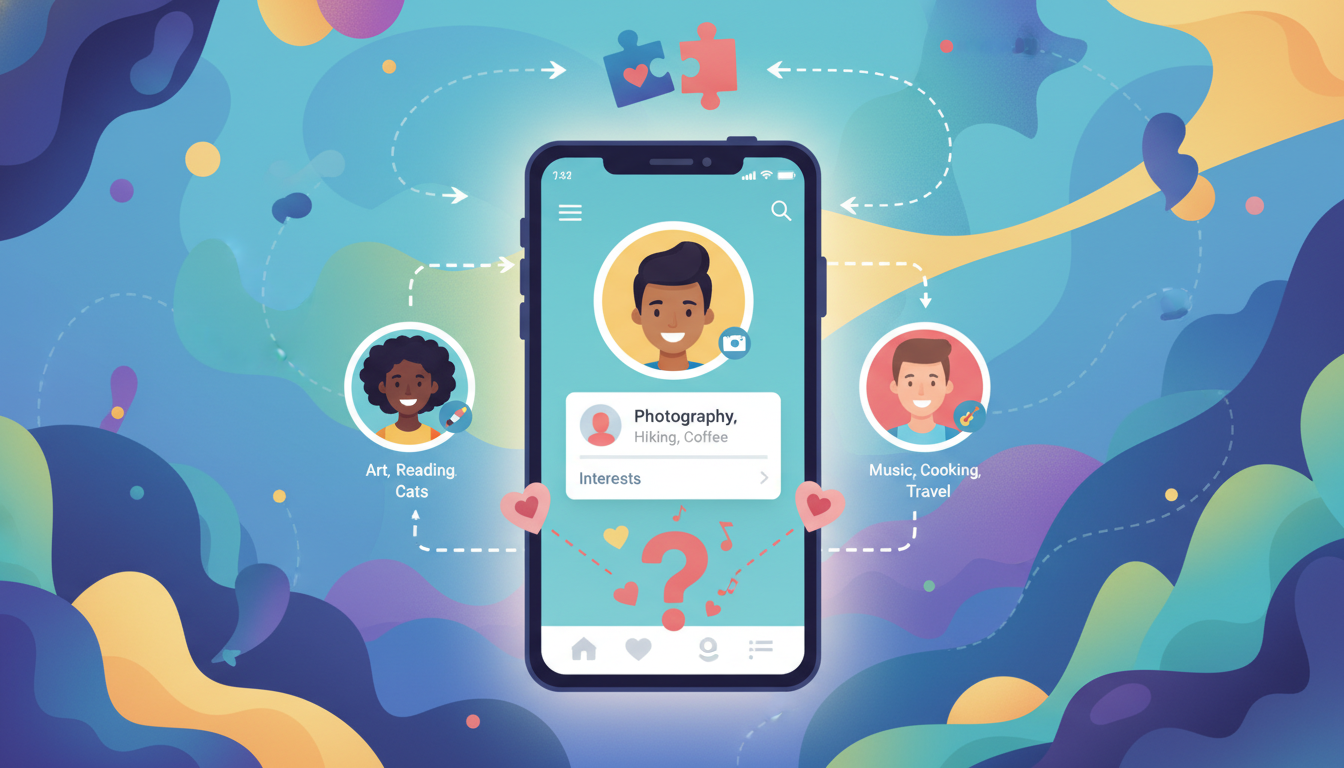
Online dating is now a normal way to meet people on platforms like Match, Tinder, and Bumble. Small errors in photos, bios, or messages often cut down replies. These mistakes can also lead to poor matches.
Ads
This guide shares practical online dating tips you can use right now. The advice helps you avoid common errors and get better results.
The goal is balanced and based on facts. I won’t promise instant success or sensational results.
Instead, you’ll find clear steps that improve response rates and match relevance. These changes are reliable and easy to follow.
Readers who want to boost profile performance and improve messaging will find concrete suggestions here. The article explains why online dating fails for many.
It covers common pitfalls, profile fixes, messaging dos and don’ts, safety, and long-term strategies. This helps you make smart choices on dating apps.
Follow these sections for simple, unbiased guidance. The focus is on practical changes, not hype.
This way, you can test what works and adjust over time for better results.
Key Takeaways
- Small profile adjustments often yield bigger improvements than starting over.
- Clear photos and a concise bio increase matches and message replies.
- Simple messaging habits prevent misunderstandings and boost responses.
- Understand common online dating mistakes to reduce wasted time.
- Safety checks and slow escalation help build trust before meeting in person.
Why online dating fails for many people
Many users expect quick results. They then wonder why matches feel shallow or short-lived.
Small habits, platform design, and mindset combine to cause common online dating mistakes. Recognizing these helps readers adjust behavior. It also helps them aim for steadier progress.
Common patterns that lead to disappointment
Passive browsing without a plan produces a long list of low-value matches.
Swiping or liking indiscriminately floods inboxes. This reduces time spent on promising connections.
Profiles that over-optimize for looks or idealized lifestyles misrepresent daily life. When reality differs from photos, engagement drops and trust erodes.
Inconsistent messaging and long gaps between replies hurt momentum.
Algorithms favor active accounts, so uneven engagement lowers visibility and slows progress.
Ghosting and rapid dismissal become self-reinforcing habits. When people expect short-term interactions, they stop investing in conversations.
Psychological and behavioral reasons behind poor results
Choice overload makes decision-making harder. Research shows that more options lead to superficial choices and lower satisfaction.
Negativity bias and unrealistic filtering reduce match opportunities. Focusing on dealbreakers rather than shared interests narrows the field.
Projection and confirmation bias skew interpretation of messages. People often read ambiguous texts to fit their hopes. This leads to misread signals.
Social comparison with curated profiles increases insecurity. That pressure can push users to present an inauthentic self, which hurts long-term connection.
How expectations and platform design interact
Gamified interfaces like swipe mechanics encourage fast judgments. Quick clicks reward surface appeal instead of careful compatibility assessment.
Algorithmic matchmaking prioritizes engagement metrics. Profiles that get initial attention may not reflect sustained compatibility. This gap causes mismatch between matches and meaningful outcomes.
Subscription tiers and paid features create a false sense of control. Paying for boosts cannot replace habits that support healthy conversation and consistency.
Different apps cultivate different norms. Choosing a platform matching your intent reduces friction and disappointment when expectations align with behavior.
Practical adjustments include limiting daily options, picking platforms that fit your goals, and adopting steady routines. These support online dating success.
online dating mistakes
Many people want fast matches and clear signals. This hope often causes common mistakes in profiles and messages. This short guide shows small changes that build trust and get better replies.
Profiles that sabotage first impressions
Poor or low-quality photos hurt your credibility. Blurry shots, heavy filters, and group pictures make it hard to see you. Choose clear images that show your face well.
Empty or generic bios do not stand out. Lines like “ask me” or “I love to travel” don’t tell a story. Add details about activities or recent trips.
Misleading content causes distrust. Using old pictures or wrong lifestyle details often ends chats quickly. Be honest and accurate to avoid awkward moments.
Watch your tone and wording. Passive-aggressive lists or negative remarks push others away. Use friendly, specific words to invite curiosity.
Messaging habits that turn others away
Generic openers usually don’t work. Messages like “Hey” or “You’re hot” give little for others to reply to. Start with a simple question about their profile.
Avoid long first messages and quick follow-ups. Sending too much information or repeated texts when no one replies feels pushy. Respect the other person’s pace.
Sarcasm and edgy jokes can be misunderstood without tone. Use light and clear humor. Save heavy personal topics for later, after trust builds.
Misreading signals and rushing intimacy
Don’t guess strong interest from little contact. A single reply doesn’t mean romantic feelings. Wait for steady, equal engagement before moving forward.
Rushing into romantic words or exclusive requests adds pressure. Share deeper topics slowly, based on mutual signals and comfort levels.
Learn to see friendliness versus flirting. Many people are just polite online. Mixing politeness with romance causes wrong expectations.
In short: focus on clear, honest info and paced talks to avoid dating mistakes. Small fixes in photos, bios, and messages make a big difference. Use this advice to make better impressions and lower misunderstandings during online dating.
Practical profile fixes to attract better matches
Small, focused changes to your profile can improve match quality fast. Use clear photos and a concise bio. Include searchable phrases that show real interests.
These practical steps are part of reliable online dating tips many people miss.
Photo strategy: what to show and what to avoid
- Primary photo: choose a recent head-and-shoulders shot with good lighting and direct eye contact. A genuine smile builds trust.
- Variety: add a full-body image, one activity shot (like hiking or cooking), and a social photo where you are clearly visible.
- Avoid heavy filters, sunglasses that hide your eyes, hats covering your face, and group photos without captions explaining who you are.
- Technical tips: use high-resolution files, natural light, and neutral backgrounds. Skip visible logos and staged promotional images unless they show your real life, such as athletic gear for a runner.
Writing a bio that feels authentic and searchable
- Balance personality and specifics by listing three to four concrete details, such as a weekend ritual, a recent book, or a go-to meal. These invite questions.
- Keep length moderate: two to four short sentences or a brief bulleted list work well on mobile.
- Use a friendly, neutral tone. State your intent clearly without exaggerated promises or forbidden terms.
- Include one clear prompt or question to encourage replies, like a favorite local coffee spot or “ask me about” line.
Using keywords and phrases to improve match relevance
- Add genuine, searchable interests such as “trail running,” “jazz,” “plant-based cooking,” or job cues like “teacher” or “engineer.” This helps in-app filters find you.
- Include short phrases potential matches use, for example, “weekend hiker,” “museum-goer,” or “board-game nights.”
- Avoid niche jargon, unclear abbreviations, and regional slang that limit discovery in broader searches.
These edits connect to broader online dating advice and success strategies.
Clear photos and a specific, searchable bio tend to raise response rates.
Small, honest adjustments often improve the quality of conversations you have.
Effective messaging and communication dos and don’ts
Good messaging improves reply rates. It also leads to better first dates. Use clear, brief messages that show you read the other person’s profile.
Balance warmth with restraint so conversations stay comfortable and focused on mutual interests.
Opening lines that invite replies
- Reference a specific detail from a photo or bio. For example, mention a hiking trail or a favorite author. This shows attention and sparks conversation.
- Ask open-ended, low-pressure questions like “Which local coffee shop do you like most?” Avoid yes/no prompts.
- Keep it to one or two sentences. Short, friendly openers beat long monologues and canned pickup lines.
When to move from chat to phone or date
- Wait for consistent two-way engagement and thoughtful replies across a few messages. Then suggest a call or meet-up.
- Offer options and invite preferences: “Would you prefer a quick call or coffee this weekend?” Let the other person choose.
- Suggest low-commitment plans like a short coffee or a daytime walk. This reduces pressure and makes meetings feel safer.
Setting boundaries and managing expectations politely
- State availability and intentions plainly: “I’m usually free evenings and looking to meet people for dating.” Clear signals avoid mixed messages.
- Decline with brief, respectful messages when uninterested. A short closing note preserves civility and reduces confusion.
- Use platform tools for safety and control, such as read receipts, status indicators, or block/report features as needed.
- Avoid ghosting. When communication ends, send a concise closing message to maintain trust and clarity for both.
Practical takeaway: thoughtful, profile-informed openers mixed with respectful pacing increase reply rates and improve in-person outcomes.
These online dating dos and don’ts, along with basic advice and targeted tips, help protect time and energy. They also boost chances of a good match.
Safety, error prevention, and long-term success strategies
Staying safe and learning from small failures helps you get better results on dating platforms. Use simple checks and steady habits to protect yourself. This approach supports long-term growth, not quick changes.
Verifying profiles and spotting red flags
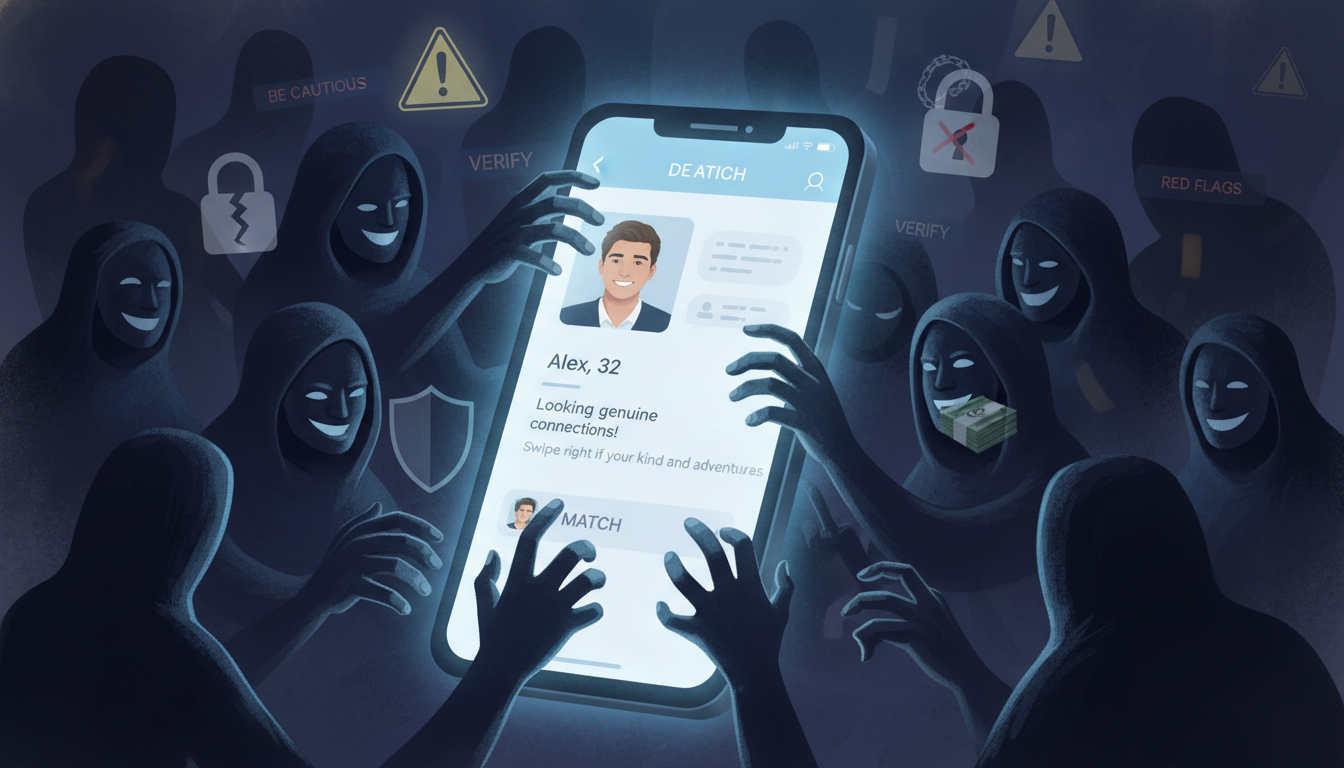
Start with platform tools like photo verification and linked social accounts. These make profiles easier to trust. Watch for mismatched details or profiles that hide faces.
Also, beware of stories that change when you ask for more details. Common red flags include pressure to leave the app, requests for money, and vague answers about facts.
Use discreet cross-checks such as public LinkedIn or Instagram pages to confirm details. Trust your instincts if small inconsistencies add up.
Protecting privacy while building trust
Delay sharing sensitive data like your full home address or financial details until you trust the person well. Keep messages on the platform while you build rapport.
Suggest a short phone or video call before meeting in person. Pick public, neutral places for early meetings, and keep location sharing turned off until comfortable.
Use a friend as a safety check by telling them where you are going and when to expect you back. These habits improve safety without creating problems.
Learning from mistakes: tracking what works
Keep a short private log of profile versions, photos, and opening lines. Note which changes increase replies and which cause bad matches. Small experiments help you learn quickly.
Try A/B testing by changing one photo or sentence in your bio. Compare results over a couple of weeks. Ask a trusted friend to review your profile for clarity and honesty.
Practical takeaway: focus on verified info and safe meetings. Use small, repeatable tests to improve results. These steps combine to reduce errors and build steady success.
Conclusion
Many online dating mistakes come from unclear profiles, weak messaging, misread signals, and using wrong platforms.
Fix these by using clear, recent photos and writing a specific bio that highlights what matters to you.
Tailor your messages to each profile. These steps are the core of online dating success strategies.
Safety and learning are just as important. Verify profiles when you can and protect your personal data.
Watch for red flags and keep a simple log of your interactions and outcomes.
This way, you can track what works and improve your approach over time.
Take concrete steps now: update your photos and bio, and craft two opening lines for different profiles.
Set clear rules for when to move to a call or date. Start a brief testing journal too.
Use this advice to act patiently. These methods improve match quality but do not guarantee results.
Content created with the help of Artificial Intelligence.