Messaging apps like iMessage, WhatsApp, and Facebook Messenger shape how we connect every day. Whether you’re texting a friend, matching on Tinder or Bumble, or coordinating work on Slack and Microsoft Teams, strong conversational quality matters.
Ads
This article explains practical, research-informed ways to improve chat engagement. These tips help your messages land better and feel more natural.
We’ll cover core communication principles—active listening, tone, and timing—along with engaging chat strategies you can use immediately.
Expect concrete prompts and templates, tips for the First Date including what to say before you meet and how to prep with what to wear.
Also, you’ll get guidance on adapting style across social, dating, and professional contexts.
Examples draw on user-experience guidance from WhatsApp and Slack, dating advice from The New York Times and Psychology Today, and real-world practices on Instagram, Tinder, and Bumble.
By the end, you’ll have clear metrics to assess chat engagement. You’ll also get tactical prompts to avoid common pitfalls that make conversations boring.
Key Takeaways
- Small shifts in tone and timing boost chat engagement quickly.
- Active listening in text means echoing, asking follow-ups, and showing interest.
- Use contextual prompts based on shared interests to sustain flow.
- First-date chats benefit from light planning: starters, boundaries, and outfit cues.
- Measure conversational quality by response length, tempo, and emotional tone.
How to Keep Conversations Interesting in Chat: How to Do It the Right Way
Good chat starts with clarity and care. Strong conversation quality builds trust and avoids confusion. It makes people want to keep talking.
In dating, pre-date chat sets expectations about compatibility and effort. At work, clear messages on Slack or Microsoft Teams speed decisions. Small choices shape big outcomes.
Why conversation quality matters in chat
High conversation quality predicts better relationships and smoother teamwork. Clear, reciprocal messages cut down on back-and-forth clarifications. Emotional attunement—matching tone and pace—shows respect.
This matters for friendship retention, hiring talks, and first date chemistry. Pay attention to tone, not just content.
Common pitfalls that make chats boring
What makes chat boring? One-word replies and endless GIFs without substance stop momentum. Long monologues or repeating the same questions feel robotic. Tone mismatch—too formal or too casual—creates awkwardness.
Poor timing, like slow replies or instant one-liners, sends mixed signals.
On first dates, avoid rehearsed lines and interview-style grilling. Talking about ex-partners or heavy topics too soon kills rapport. Watch out for these to protect the vibe.
How to measure whether a chat is engaging
Watch behavior: balanced message length, steady response rates, and voluntary topic continuation. Reciprocal questions and emoji show interest. Response timing reveals engagement or distraction.
Use chat metrics: longer replies, follow-up questions, and invitations to meet or call are strong signs. Teams can track fewer clarifications and faster decisions as proxies. Try A/B testing different openers to find which prompts get deeper replies.
Essential principles for engaging chat conversations
Good chat starts with clear intent and simple habits. Use active listening to mirror what someone says and confirm feelings. Ask follow-ups that dig deeper.
Short recaps work well in group threads. They keep everyone on the same page.
Active listening techniques for text-based chat
Paraphrase key points: a quick rephrase shows you read and understand. Validate emotions with brief responses like “That sounds frustrating.”
Ask clarifying questions instead of changing topics abruptly. In work chats, a concise recap of action items helps maintain momentum.
Balancing questions and sharing to maintain flow
- Follow the 60/40 rule: aim for roughly 60% curiosity and 40% self-disclosure to avoid feeling like an interview.
- Mix open-ended prompts with short anecdotes so the conversation breathes.
- Share small, relatable details—weekend plans or favorite coffee spots—to invite reciprocation without oversharing.
Using tone, timing, and emoji to convey intent
Match formality and humor to the other person. Be explicit when joking to avoid misread cues.
Manage response timing by setting availability like “Heads-up: I’m at work—short replies.”
Use tone, timing, and emoji sparingly to add warmth or clarify intent. A smile or thumbs-up can soften blunt sentences.
Keep emojis out of formal messages. Break long thoughts into short lines to avoid walls of text.
For first date conversation starters and advice, apply these principles: listen more than you quiz. Share relatable details, and use gentle tone cues.
This approach keeps early chat friendly and clear.
Conversation starters and prompts that work
Good prompts start rich chats quickly. Use open-ended questions, contextual prompts, and light hypotheticals to invite stories. This avoids one-word replies. Keep your tone curious and warm. This makes replies feel safe and fun.
Open-ended questions to spark deeper responses
Ask things that invite reflection. Try questions like “What’s the best part of your week so far?” or “What hobby are you most into right now, and why?”
Follow up with invites to expand, such as “Tell me more about that.” Open-ended questions move a chat from small talk to memorable exchange.
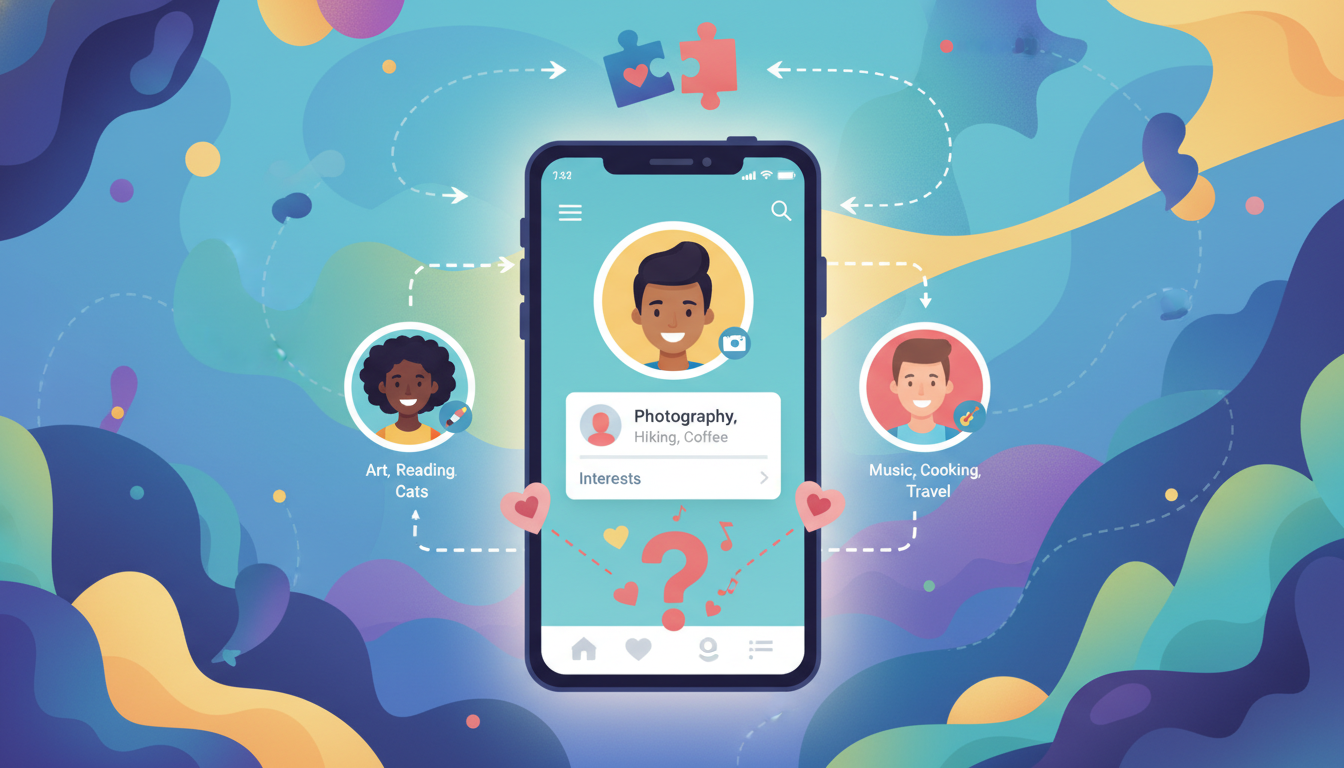
Contextual prompts based on shared interests
Reference what you know to make prompts personal. If someone posted a travel photo, ask “I loved your Kyoto shot — what was your favorite meal there?”
For work groups, note wins: “That launch looked smooth — which part did you enjoy most?” Use timely hooks like local concerts, a new film, or a seasonal activity. Contextual prompts tie conversation to real life and build common ground.
Fun and safe hypotheticals to keep things lively
Low-stakes scenarios spark playful answers without pressure. Try “Would you rather have an extra hour each day or an extra day each month?” or “Which movie character would you want as a roommate?”
For dating chats, use gentle hypotheticals like “If we had a free Saturday in the city, what would your ideal day look like?” These can lead to plans and show how to impress on a first date.
- Keep a list of go-to conversation starters to avoid awkward pauses.
- Mix question types so exchanges feel balanced and dynamic.
- Avoid political or religious hypotheticals early on to keep chat inclusive.
Adapting chat style for different situations and people
Good chat depends on reading the room. Note the formality, pace, and topics that fit well. This helps tailor conversation so messages feel natural and respectful.
Casual friends welcome relaxed language, inside jokes, and GIFs. Short, playful messages work best. Use emojis when the vibe is light.
Professional contacts need concise, action-focused notes. Use clear subject lines in threaded chats and keep tone polite. Limit emojis unless your workplace allows them.
This keeps goals clear and reduces friction.
Dating chats fall between casual and formal. Be polished but personable early on. Avoid sharing personal struggles too soon.
Small disclosures build trust without overwhelming the conversation.
Match conversational energy by mirroring pace and message length. If someone sends short replies, answer similarly. If they write paragraphs, respond with depth.
Mirroring formality and humor creates easier rapport.
- Watch for low energy: short replies or long delays mean they might need a lighter prompt or a pause.
- Use polite language when the other person stays formal to keep comfort and respect.
Know when to switch channels. Suggest a voice or video option when messages grow long or need nuance. Say something like, “Want to switch to a quick call to sort this?”
For dating, offer a short voice or video chat before meeting if both feel comfortable. Propose a clear plan like, “There’s a new café—would you like to check it out Saturday?”
This gives context and reduces awkwardness.
Safety matters. Keep initial calls brief, confirm identity via video when meeting, and stay in public spaces for first dates. These steps handle practical concerns without killing momentum.
Below are practical do’s and don’ts to help you adapt faster.
- Do: mirror tone, be concise with professionals, and use friendly detail with friends.
- Do: suggest a switch to call when clarity or connection is needed.
- Don’t: overshare personal problems early in dating chats.
- Don’t: ignore repeated short replies showing low interest—ask if they’d prefer a pause.
Tips for using chat effectively on a first date
Chatting before and during a first meetup sets the tone. Keep messages light, clear, and purposeful.
Mention logistics early. This helps move the conversation from planning to getting to know each other.
Conversation starters for a first date
Openers that mention interests spark natural replies. Try lines like, “You said you love cooking — what’s your favorite dish to make?”
Another example: “What’s one thing you’ve done this year that surprised you?”
Use observational starters when meeting in person. For example, say, “This place has great lighting—do you come here often?”
For pre-date texts, a playful prompt like “Are you more coffee or cocktail person for Saturday?” eases nerves and sets a friendly tone.
Tips for the First Date and first date advice to keep chat flowing
Prepare a few topics like hobbies, travel, books, movies, and career goals. Practice active listening and ask follow-ups that invite detail.
Balance talking and asking so both share equal airtime. Use transitions to move from small talk to deeper topics. For example: “Speaking of travel, what’s a trip that changed you?”
Keep questions open-ended and avoid rapid-fire interrogations.
Do’s and don’ts of a first date chat: what to say and things to avoid on a first date
- Do be punctual, polite, and curious. Ask open-ended questions and offer sincere compliments.
- Do follow basic safety etiquette and keep phone use minimal.
- Don’t bring up exes, finances, or heated politics too early.
- Don’t overshare trauma, use rehearsed pickup lines, or try to “win” a debate.
How to impress on a first date and tips for a successful first date
Authenticity beats performance. Show genuine curiosity and remember details from earlier chat.
Small gestures count: arrive on time, offer attention, and use light humor when appropriate.
Follow up after the date with a thoughtful message that references something specific from your conversation.
Plan logistics clearly in chat to show your reliability before you meet.
What to wear on a first date
Mention attire briefly in pre-date messages to set expectations: “I’ll be in jeans and a blue sweater.”
Dress clean, comfortable, and slightly elevated for the venue. This shows effort without overdoing it.
Tools, features, and templates to make chat more engaging
Good tools can lift an ordinary chat into something special. Multimedia sets the tone. Use a quick photo, short voice note, or playlist clip.
Keep these items brief and relevant to add warmth. Avoid derailing the thread with off-topic content.
GIF etiquette is important when humor is the goal. Use a playful GIF to break a pause. Do not use GIFs to answer serious questions.
In formal or new chats, skip GIFs until you know the other person’s style.
Links and articles work best with context. Introduce a link with a sentence explaining its importance.
In dating chats, a short voice note feels more personal than long text blocks.
Message templates reduce awkward silences and help move plans forward. Keep some go-to openers and follow-ups ready.
Try light polls, bite-size hypotheticals, or quick logistics lines for meetups. Use templates as starting points, not fixed scripts.
- Store openers like: “Quick poll: coffee or tea?”
- Try follow-ups such as: “I’m free Saturday — does 2 PM work?”
- Close with calls to action: “Want to continue this over coffee?”
Privacy features build trust. Know settings on WhatsApp, Signal, and Instagram to enable disappearing messages or manage read receipts.
Tell others your preferred privacy settings to avoid pressure or misunderstandings.
Etiquette protects comfort. Never forward private messages without consent. Ask before adding someone to a group chat.
In dating, share only minimal personal details until you feel safe. Use verified profiles or video verification when available.
For first dates, balance curiosity with respect. Pick light, open prompts that invite stories, not yes/no answers.
Avoid heavy topics, constant GIFs, or oversharing personal data on a first date.
Combine smart tools, simple templates, and clear privacy habits to keep momentum and respect boundaries.
Small choices—like right image size, thoughtful GIFs, brief voice notes, and tidy templates—make chats engaging and respectful.
Conclusion
How to Keep Conversations Interesting in Chat comes down to three simple habits: listen actively, share thoughtfully, and prompt with purpose. This chat engagement summary highlights using open-ended and contextual prompts, mirroring tone, and balancing questions with personal detail to keep exchanges lively and sincere.
For dating, follow a clear first date tips summary: prepare easy conversation starters, follow the do’s and don’ts of a first date, choose an appropriate outfit for the setting, and follow up with a thoughtful message. These small moves—combined with mirroring pace and respecting boundaries—help build rapport and make a good impression.
Treat chat as a skill: try different prompts and note which ones spark longer replies. Use engagement signals to learn and improve your style.
Use the practical checklist as a quick reference. Mirror tone and pace. Aim for a 60/40 question-to-share ratio.
Keep hypotheticals and multimedia tasteful. Respect privacy. Suggest a call or in-person meet when rapport feels strong.
Next steps: apply the templates and prompts in this article and adapt them to your style. Consider the communication culture of apps like iMessage, WhatsApp, Slack, Tinder, or Bumble.
With practice, these methods turn random messages into meaningful conversations and steady chat engagement results.
Content created with the help of Artificial Intelligence.