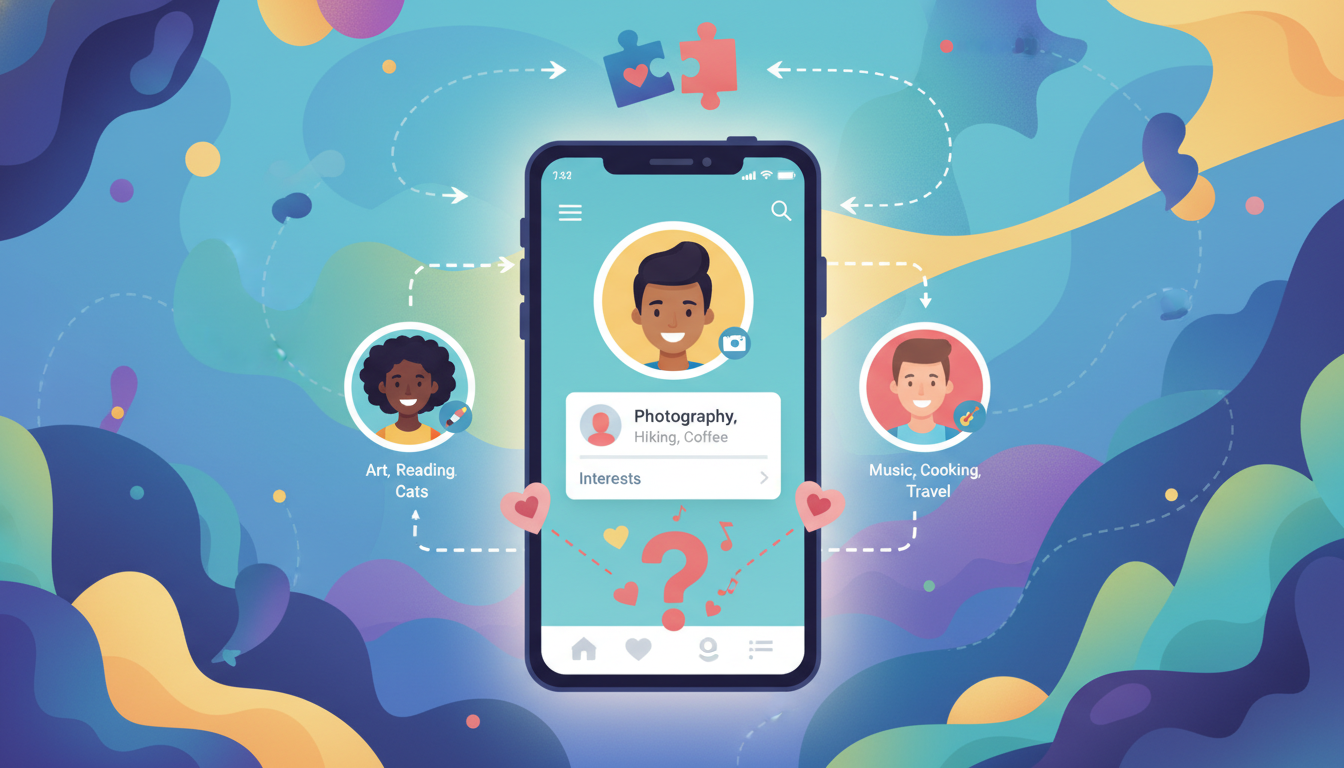
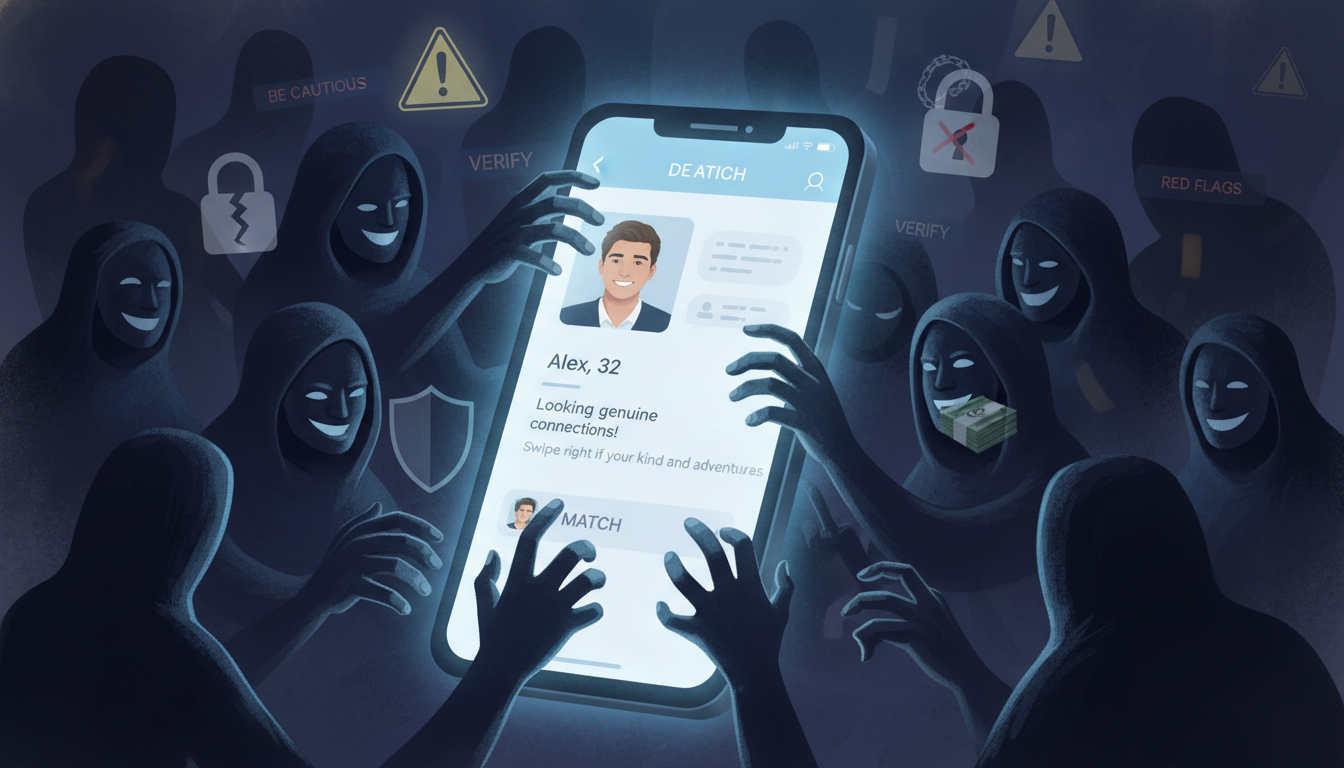
This article offers guidance on how to build confidence for dating. It focuses on mistakes to avoid. It is for single adults in the United States who want dating confidence tips.
Ads
The goal is simple: help you make fewer errors and gain clearer self-awareness. This will speed up your dating self-esteem improvement.
The scope includes psychological root causes, observable behaviors, and hands-on strategies. Content draws on cognitive-behavioral research into negative self-talk, social skills training, and exposure principles. It also includes tips used by relationship coaches and licensed therapists.
You will find evidence-based approaches that are realistic and tested. These methods help you improve your confidence effectively.
Key ideas to keep in mind: confidence for dating is a skill, not a fixed trait. Repeated mistakes often reflect deeper beliefs or habits. Fixing root causes speeds up progress.
Improving dating confidence also boosts overall wellbeing and social skills. This includes clearer communication and better boundaries.
This article previews practical calls to action: a short self-assessment, daily practice exercises, and guidance on when to seek professional help. Expect actionable dating confidence tips and sustainable self-esteem methods.
Key Takeaways
- Dating confidence can be developed with practice and the right mindset.
- Many common errors come from negative beliefs or avoidance habits.
- Evidence-based methods like CBT and gradual exposure speed improvement.
- Daily habits and focused communication skills are practical and effective.
- Seek a licensed therapist or certified relationship coach when challenges feel persistent.
How to Build Confidence for Dating: Mistakes to Avoid
Small habits create big results in dating. When you replace errors with good habits, your inner voice changes. Your behavior follows this new mindset.
This section shares practical ways to stop common mistakes. It offers clear tips to build dating confidence. You will also learn steps to develop dating skills.
Why addressing mistakes matters for dating confidence
Minor actions like apologizing too much harm your self-image over time.
Behavioral neuroscience and CBT show that positive experiences rewrite the brain’s social responses.
Early action stops bad patterns like people-pleasing or avoidance. Catching mistakes early lets you win small victories that build momentum.
Common pitfalls that undermine early dating confidence
- Overanalyzing messages and turning uncertainty into disaster. This drains your energy and presence.
- Using alcohol or props to calm nerves instead of internal tools for true connection.
- Misreading cues due to anxiety causing extreme watchfulness or self-doubt.
- Switching between apps and dates without learning from each experience.
How correcting these mistakes accelerates self-esteem improvement
Replace negative self-talk with proof-based, positive statements to improve mood and behavior.
Practicing small risks builds skill and steady confidence.
Ask trusted friends or a coach for honest feedback and support. Set small goals to track your progress in gaining dating confidence and self-esteem.
Root Causes of Low Dating Confidence and How to Recognize Them
Low dating confidence often starts quietly. It grows from repeated thoughts and outside pressures. Patterns of avoidance limit chances to practice social skills.
Spotting the roots helps improve dating self-esteem. This supports boosting self-confidence for dating in practical ways.
Internal beliefs and negative self-talk patterns
Many people fall into black-and-white thinking, mind-reading, or catastrophizing after a missed text or awkward date. Thoughts like “If they don’t reply fast, they hate me” or “I’m not attractive enough” cut off approach behaviors and raise anxiety.
Simple tools expose these patterns. Keep a short thought record after interactions. List the situation, automatic thought, and one factual counterpoint.
Build an evidence list of past successes. This breaks cycles and helps develop dating confidence skills.
External influences: social media, past relationships, and peer pressure
Instagram and dating apps show curated highlights that stretch expectations. Endless swiping and feeds create unfair comparison traps.
Unresolved rejection or betrayal from past relationships creates hypervigilance on first dates. Friends’ success stories and cultural messages add pressure and shame.
Track specific triggers that spike anxiety, such as certain profiles or anniversaries. Noting patterns helps separate outside noise from personal goals tied to dating self-esteem improvement.
Behavioral signs: avoidance, overcompensation, and people-pleasing
Avoidance shows as declining invites or ghosting to dodge rejection. Overcompensation appears as excessive flirting, showing off, or joking to mask nerves.
People-pleasing means saying yes to unsuitable dates and ignoring boundaries to gain approval. These behaviors shape profiles, messages, and first-date interactions predictably.
Log incidents briefly: what happened, how you felt, and how often it repeats. This log helps target common dating confidence mistakes and informs next steps.
Self-assessment tools to pinpoint personal confidence gaps
Use a Structured Self-Reflection Sheet to rate comfort with starting conversations, responding to interest, and handling rejection on a 1–10 scale. Keep entries short and dated.
- Try the Rosenberg Self-Esteem Scale for a baseline score.
- Use Social Interaction Anxiety Scale markers to flag higher anxiety levels.
- Pick one measurable skill—like making first contact—and track weekly attempts and outcomes.
After assessment, choose one small, repeatable action to practice. Regular tracking builds measurable progress in boosting self-confidence for dating. This reduces common dating confidence mistakes.
Practical Confidence Building Strategies for Dating
Start with small, repeatable habits that create steady gains in self-worth and presence. These strategies focus on daily routines, clear communication, and gradual exposure. You will feel more grounded before, during, and after dates.
Daily habits to boost self-worth and presence
Begin mornings with light movement, a glass of water, and a two-minute note of one thing you did well. Small wins stack into real momentum for boosting self-confidence for dating.
Set a micro-goal each day, such as complimenting a barista or starting a short conversation. These actions sharpen approach skills without high pressure.
Prioritize sleep, balanced meals, and hobbies that remind you who you are beyond dating. Short breathing or grounding exercises before a date reduce nerves and increase presence.
Communication skills: assertiveness, active listening, and vulnerability
Use “I” statements to state preferences and limits. For example, say, “I prefer texting to plan a first date.” This direct language builds confidence.
Practice active listening by asking open-ended questions and reflecting what you hear. This lowers performance pressure and deepens connection.
Share small, genuine personal details early to invite reciprocity. Pace your vulnerability; avoid unloading trauma on early dates. Role-play introductions and boundary phrases with a friend to make them feel natural.
Body language and grooming tips to enhance attractiveness and self-assurance
Adopt open posture and steady, comfortable eye contact. These nonverbal signals raise perceived confidence and support self-assurance in dating.
Smile in a relaxed way and speak at a moderate pace. Your vocal tone affects approachability and signals calm self-confidence.
Choose clothes that fit and reflect your style. Simple grooming habits—neat hair, skin care, subtle scent—improve how you see yourself and how others perceive you. Keep a checklist: clear photos with good lighting, an updated bio that highlights your interests, and a planned outfit for in-person dates.
Setting realistic dating goals and gradual exposure exercises
Create SMART dating goals: specific, measurable, achievable, relevant, and time-bound. For example, message three new people this week and aim for one coffee date within two weeks.
This approach turns boosting self-confidence for dating into measurable steps. Use graded exposure: start with low-stakes texts or casual coffee, then progress to longer or more intimate outings.
Track your attempts, outcomes, and short lessons in a simple log. Celebrate small wins to keep momentum strong. Over time, these tips and consistent practice build lasting self-assurance in dating.
Common Dating Confidence Mistakes to Avoid
Many people fall into habits that hurt their self-worth. Spotting dating confidence mistakes early protects your emotional energy.
This helps steer relationships toward healthier and happier outcomes.
Rushing into relationships before you’re ready
Going too fast can hide red flags and cause dependency. Signs include skipping talks about values and rushing intimacy.
It also happens when acting from fear of being alone. Better to check in regularly about your goals.
Keep your routines independent and set clear emotional pace markers.
Basing self-worth solely on external validation or matches
Relying on likes, matches, or compliments causes mood swings and unstable self-esteem. Small setbacks may feel like disasters.
Balance external feedback with your own feelings. Ask if you showed up authentically on dates.
Get validation from friends, work, and hobbies. Schedule app-free times to avoid compulsive checking.
Comparing yourself to others and chasing unrealistic standards
Comparing lowers satisfaction and fuels chasing impossible ideals from influencers and celebrities. It distracts from your unique strengths.
Use comparisons as inspiration, not judgment. Unfollow accounts that cause insecurity.
Keep a gratitude list to track your progress and focus on your own growth.
Neglecting personal boundaries and trying to please everyone
People-pleasing leads to burnout, resentment, and loss of identity. This harms future relationships and lowers self-respect.
Practice setting clear boundaries. State your availability and intentions early.
Learn to say no firmly but politely. Use short scripts to handle common situations like declining dates or addressing disrespect.
Ignoring mental health and not seeking support when needed
Persistent anxiety, depression, trauma triggers, or repeating bad patterns mean it’s time to seek help.
Ignoring these issues slows your confidence and stalls skill development. Consider licensed clinicians, support groups, or apps with CBT and mindfulness tools.
Treat therapy and coaching as training for emotional fitness while building dating confidence skills.
Recognizing and fixing these mistakes creates space for steady self-esteem improvement. Small changes add up with sustainable habits and realistic growth.
Conclusion
Building dating confidence is a skill you can develop with focused effort. Understand root causes and recognize common pitfalls. This awareness creates space for meaningful change.
Use confidence-building strategies like daily habits and clear communication techniques. Work on body language to make steady gains in how you show up on dates.
Address internal beliefs and manage social influences. Correct avoidance and people-pleasing behaviors to speed lasting improvement.
Set one SMART goal for the next 14 days. Practice a brief social interaction each day. Small steps add up faster than expecting instant change.
If you hit a plateau or feel anxiety, reach out to a licensed mental health professional or certified dating coach in the United States.
Remember, enhancing dating self-assurance is a gradual process. Avoiding mistakes frees energy for authentic connection and healthier relationships.
Content created with the help of Artificial Intelligence.