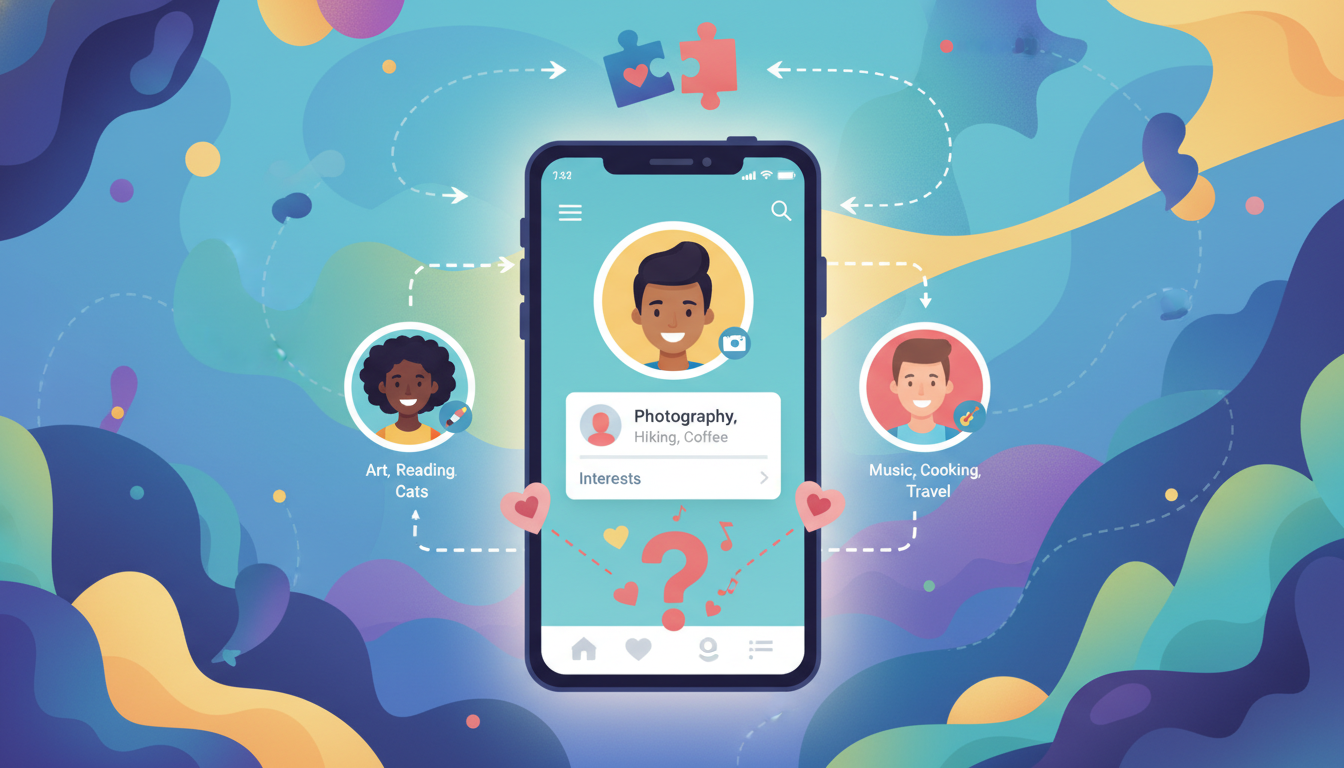
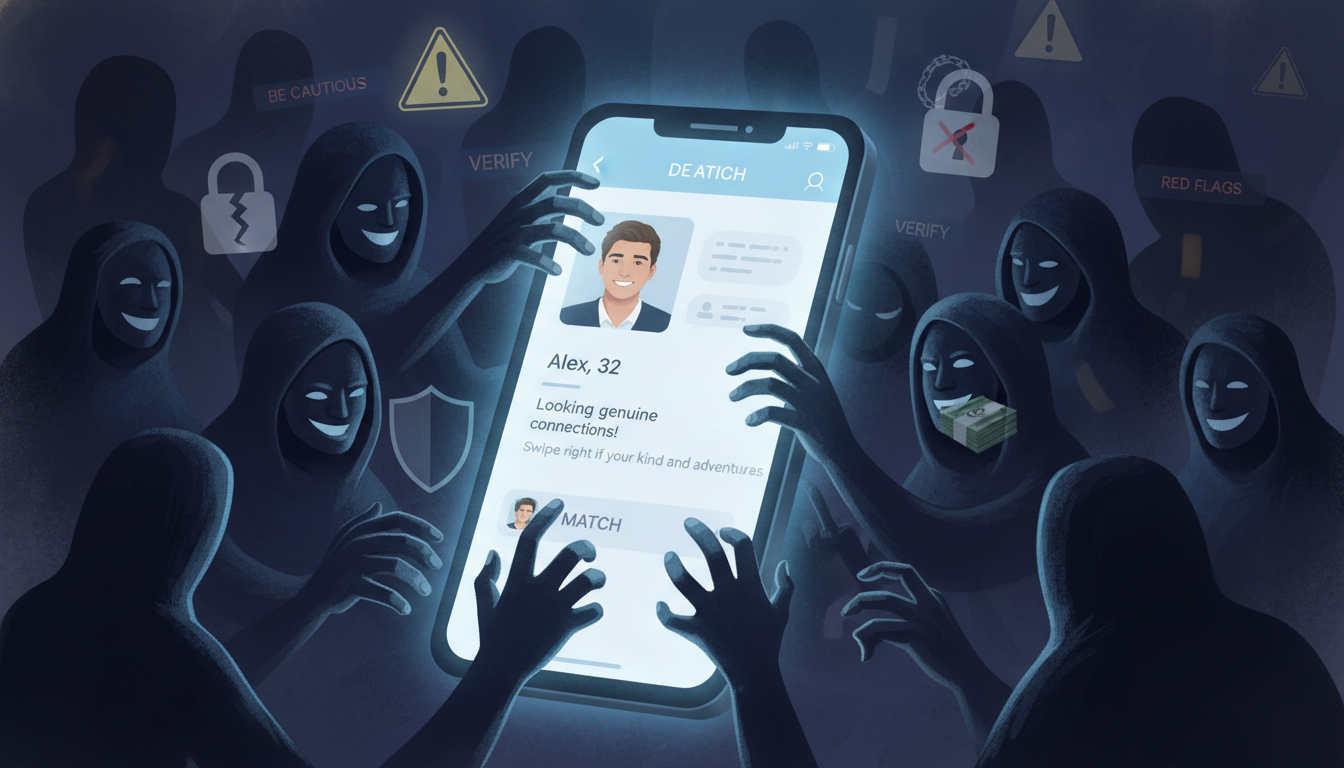
Moving from a dating app match to an in-person meetup can feel awkward. This guide offers clear steps to help singles in the United States convert online chemistry into real connections. You’ll find practical tactics for profile optimization, messaging, timing, and safe first-date planning.
Ads
Whether you use Tinder, Bumble, Hinge, Match, or OkCupid, the goal is the same: turn a match into a real-life date without guesswork. The guide shares evidence-based tips to reduce misunderstandings and boost confidence when asking. It also helps create dates that naturally build rapport.
Read this guide to learn how to structure conversations and pick the right moment to suggest meeting. You’ll find tips on choosing low-pressure date ideas that actually convert. Follow the sections in order—profile, messaging, timing, planning, safety, and follow-up—to move from a dating app match to a real date with ease and better results.
Key Takeaways
- Optimize your profile to invite in-person conversation and trust.
- Use messaging that moves beyond small talk and signals readiness to meet.
- Time your ask so it feels natural; context matters more than message count.
- Pick low-pressure, activity-based first dates that encourage conversation.
- Prioritize safety and clear communication to make both people comfortable.
How to Turn a Match into a Real-Life Date: Complete Guide
Turning a match into a real-life date is the main goal of most people using apps like Tinder, Bumble, and Hinge. Meeting in person verifies chemistry, reveals body language and tone, and ends endless back-and-forth that rarely leads to anything.
This guide gives clear, practical steps so you can convert a match to a date with confidence and safety.
Why converting a match to a date matters
Online conversations can be fun, but they hide key signals about compatibility. A face-to-face meeting shows energy, humor, and nonverbal cues that text misses.
Moving offline quickly reduces ghosting and clarifies intentions, saving you time and emotional energy.
Key mindset shifts for moving from online chat to offline meetups
Shift from treating matches as ego boosts to treating them as potential meetings. Be honest about what you want—casual, exclusive, or exploring—and let that guide your approach.
Approach every conversation with curiosity and low pressure. Test the vibe with light plans instead of rigid expectations.
Accept rejection as normal feedback, not a personal failure. Each match teaches you what works and what doesn’t.
Prioritize consent and safety. Be straightforward and respectful when proposing meetups, and match that tone throughout the chat.
Overview of the step-by-step process outlined in this guide
- Optimize your profile so it attracts people who want to meet in person.
- Use engaging messaging to build rapport and test compatibility.
- Watch for verbal cues and behavior that show readiness to meet.
- Suggest a low-pressure, safe first date with clear logistics.
- Follow up after the meetup to turn a first meeting into an ongoing connection.
Follow these online dating tips and practical dating advice to turn matches into dates. Expect higher conversion rates, safer meetups, and clearer communication.
With small changes to your profile, messages, and mindset, you can convert matches to dates more often and with less stress.
Crafting an Attractive Profile to Encourage Real-Life Meetups
Well-crafted profiles help move quickly from chat to coffee. Use images and text that build trust and spark curiosity. Make it easy for people to suggest meeting up.
Small choices in photos, bio lines, and prompts decide if a dating app match leads to a real meetup.
Profile photos that invite conversation and trust
Start with a clear headshot that shows you smiling. Make sure it is well-lit and taken recently. People prefer authenticity rather than heavy filters.
Add one or two full-body shots. This helps matches get a real sense of who you are.
Include candid photos displaying your hobbies. Pictures of hiking, cooking, or concerts give easy conversation starters. Avoid using group photos as your main image. Also skip overly staged poses because they feel less personal.
Bio tips that signal you’re open to meeting in person
Keep your bio short and specific. List two or three interests. End with a simple invitation like “coffee near the High Line?” to show you want real connection.
Mention your neighborhood or when you’re usually free, like weeknights or weekends. This makes planning easier. Use light humor to seem friendly. Add a short prompt like “Ask me about my favorite local coffee shop” to invite messages.
Using prompts and interests to create date-worthy conversation starters
Pick prompts that lead to plans. On apps like Hinge, choose ones like “My simple pleasure.” Answer with something actionable: “I make a mean espresso—testing coffee shops is my Saturday ritual.”
Name specific places or activities nearby. Mentioning a museum, farmers market, or brewery makes suggesting meetups easier.
When messaging, point out shared interests. If they like art and you like coffee, suggest coffee near a gallery. These tips help turn online matches into offline dates fast. They also give good ideas for first conversations.
Think of your profile as a filter. A good profile attracts people who want to meet in person. Use clear photos, concrete bio lines, and strong prompts. That way you can turn matches into real dates with confidence.
Messaging Strategies to Move from Match to Meetup
Start conversations that feel natural and specific. Personalized openers that mention a photo, prompt, or hobby invite stories.
A strong opener can change the tone of a chat. It raises the chances of turning interest into plans.
Opening lines that go beyond small talk
Lead with curiosity. Instead of “hey,” reference their profile: “You mentioned salsa dancing—what’s your favorite local place to go?”
Short, open-ended questions like that work well as opening lines. They give a clear path for reply.
Use light humor or a playful prompt to be memorable. Ask for a quick story: “What’s the best meal you cooked this year?”
That invites detail and gives you hooks for follow-up messages.
Keeping momentum without coming on too strong
Mirror their tone and message length to keep things comfortable. If they text with short bursts, reply with concise takes.
If they write longer notes, match their depth. This balance keeps momentum while avoiding pressure.
Aim for equal sharing. Ask a question, then offer a related detail about yourself.
This 50/50 rhythm builds rapport and makes the conversation feel fair and natural.
Reference past messages to show active listening. Small callbacks like “You said you love weekend hikes—what trail was that?” strengthen connection.
These show attention without rushing intimacy.
Signals that indicate readiness to propose meeting in person
Look for engaged replies, quick response times, and follow-up questions. These signals show someone is open to more than chat.
When they start sharing availability or favorite local spots, they imagine a meetup.
Watch for a shift from facts to experiences and feelings. When conversation moves from lists to stories, it is often a good time to suggest meeting.
Use shared interests as natural transitions. Try a direct, specific ask: “We both like coffee and the museum—want to grab a quick coffee nearby this weekend?”
Clear language like that turns messaging strategies into steps toward a real date.
Timing and How to Ask: When to Suggest a Real-Life Date
Knowing when to ask for a meetup keeps momentum without adding pressure. Look for signs in the chat. Curious questions, back-and-forth replies, and shared interests show they might be ready.
Try to find a natural pause in the conversation. Avoid forcing a change right after a short answer.
How long to message before meeting depends on chemistry, not on a fixed number of messages. Many dating coaches suggest asking after a few good exchanges or within three to five days.
Focus on mutual interest and engaged replies instead of counting messages. Waiting too long can cool things off.
Rushing after one message can feel too sudden. If both people seem interested, a short wait keeps energy high and moves the match forward.
Choosing the right context to propose a date means linking the ask to something you already talked about. Suggest coffee near a favorite bookstore or a walk at a local park linked to their hobby.
Giving context makes the invite feel personal and low-pressure. Time and day also matter.
Weekends work well for longer plans. Weekday evenings fit quick meetups better. Offer a short option first, like 30-minute coffee, to respect their busy schedule and lower the barrier.
Wording examples for confident, polite asks keep invitations clear and friendly. Use direct but gentle language.
Name a place and give a small time frame. Offer choices and an easy way out if they are not ready yet.
- Confident and polite: “I’ve really enjoyed chatting. Want to grab coffee at Blue Bottle on Saturday afternoon?”
- Two-option approach: “Would you prefer a Saturday morning walk or a weekday evening coffee?”
- Low-pressure test: “I’d love to meet if you’re up for it. No pressure—what’s your schedule like this week?”
- Safety-minded: “I prefer public spots for first meetups—how about the library café by Central Park?”
If they decline, respond politely. Thank them for their honesty and suggest another option if it fits. Otherwise, accept their answer graciously.
Being respectful keeps dignity and may leave room for future connection.
Choosing a First-Date Idea That Converts Matches to Dates
Picking the right first meetup turns a match into something real. Aim for short, low-stress plans that respect time and comfort.
Choose moments that let conversation flow and offer an easy out if there is no chemistry.
Low-pressure date ideas for online-to-offline transitions
Coffee at a popular café, a walk in Central Park, a quick visit to the Met, or a farmers market stroll work well.
These low-pressure ideas keep things casual and short. Limiting a first meetup to 30–90 minutes reduces nerves and feels safe.
Activity-based dates that create natural conversation
Pick simple activities that spark interaction. Trivia night at a local bar, pottery classes, cooking demos, or board-game cafés give shared focus.
Activity-based dates help convert online connections by providing built-in topics and playful moments.
Location, safety, and accessibility considerations
Select public, well-lit venues with clear transit or parking options. Check that museums and cafés have accessible entrances and seating.
Avoid meeting at home for a first meetup. Neutral spots build trust and help both feel safe.
Check noise levels to allow conversation. Ask about dietary or mobility needs ahead of time.
End with an easy next step, like grabbing a bite or visiting a nearby exhibit to keep momentum going.
Safety and Trust: Ensuring Comfort for Both People
When you move from chat to face-to-face, comfort and clarity are very important. Use simple steps to build trust and reduce risk. This creates a pleasant first meeting for both people.
Verifying identity and signals of authenticity
- Use profile verification features on apps like Bumble, Hinge, or Tinder. This helps confirm the account is real.
- Ask for a short real-time photo or quick video call to verify identity before meeting. It avoids awkward surprises.
- Check public social accounts such as Instagram or LinkedIn for consistent details. Small inconsistencies can be red flags.
- Watch for evasive language, money requests, or biography mismatches. These signs often show inauthentic behavior.
Safety practices for first in-person meetings
- Choose a public, well-lit location and try to meet during the day. A familiar café or park is a good choice.
- Tell a friend or family member your plan. Share your location via smartphone and set a check-in time.
- Arrange your own transportation to control when you arrive and leave.
- Limit alcohol until you feel comfortable and keep personal items secure. Carry a personal alarm or safety device if it helps you feel safer.
Setting boundaries and communicating expectations clearly
- State basic limits ahead of time, like meeting for 60–90 minutes or preferring a public first date. Clear boundaries help both people relax.
- Respect consent at every step. If someone seems pressured or aggressive, leave and seek help from staff or nearby people.
- If a match violates trust, block and report them in the app. For scams involving money, report to the Federal Trade Commission.
Following these safety tips raises your chances to secure a real-life date while keeping both people comfortable. When you verify identity before meeting and take practical precautions, transitioning from online to in-person becomes safer and more enjoyable.
Follow-Up and Turning a First Date into Ongoing Connection
Send a short, timely note within 12–24 hours to thank them and mention a detail from the evening. A message like “I had a great time hearing about your Portland trip — coffee was fun!” keeps the tone warm and specific.
This simple step is central to follow-up after first date tips and prevents mixed signals.
Keep messages upbeat and honest when you want to see the person again. Avoid vague lines that create doubt.
If you prefer a cautious approach, a brief “Thanks, I enjoyed tonight” still signals respect without pressure.
Watch how they reply to read intent. Quick, engaged responses, questions about your schedule, or suggestions for plans show mutual interest.
These are useful cues to convert a first date into ongoing connection.
- Signs they want more: enthusiastic replies, future-oriented comments, or concrete plans.
- Less interest: delayed or very short replies and no follow-up questions.
When planning a second meet-up, aim to propose something within a few days to a week if momentum is strong.
Offer one or two clear options so they can pick a preference. This directness reflects solid dating strategies to secure a second date.
Build the next plan from first-date cues. If you shared a love of tacos, suggest a casual taco spot.
If you bonded over hiking, propose a short trail together. Tailoring the activity increases the chance the meeting will feel natural and fun.
- Pick a timeframe: a few days to one week after the first date.
- Offer two options and ask which they prefer.
- Be clear about time, place, and duration to reduce ambiguity.
If the chemistry wasn’t mutual, send a concise, kind message that thanks them and wishes them well.
Honesty delivered with courtesy preserves dignity for both people and closes the loop respectfully.
Conclusion
This guide helps you turn online connections into offline dates. Start by updating one photo and a bio line. Show you’re open to meeting in person.
Next, create three personalized openers tied to your profile details. This makes your messages feel specific and authentic.
Use dating strategies that focus on timing, clarity, and safety. Watch for signals that show your match is ready. Suggest a low-pressure, easy first date.
Make a polite, confident ask to secure a real-life date. Always prioritize consent, clear communication, and basic verification. This keeps meetings comfortable for both people.
After a successful first meetup, follow up quickly to keep the momentum. Plan a next step to build the connection.
Small changes—one photo, one bio tweak, a prepared opener, and a nearby date idea—boost your success. Applying these steps helps you turn more matches into safe, satisfying real-life connections.
Content created with the help of Artificial Intelligence.