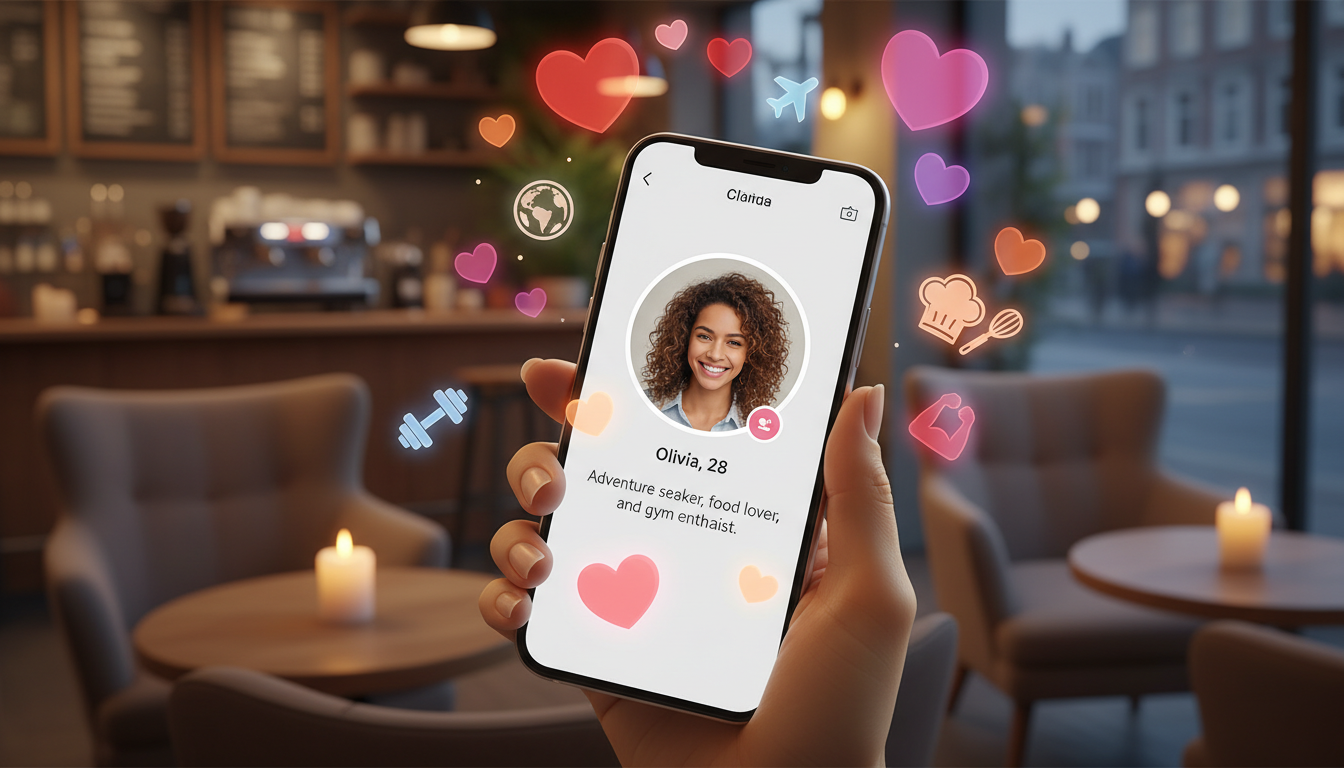
Strong relationships need steady effort, clear communication, and shared priorities to grow.
Ads
This article shares practical, research-backed strategies for adults to adopt habits that support lasting bonds.
We use findings from the Gottman Institute, APA research, and big studies to explain healthy partnerships.
The guidance focuses on trust, honest communication, and daily rituals that help couples stay happy.
It doesn’t promise guaranteed results but offers measurable ways to improve relationship dynamics.
Read on to learn how to build stronger relationships by defining success, creating trust routines, and using simple communication tools.
These steps work for many backgrounds and types of partnerships.
Key Takeaways
- Research-backed habits, like regular repair attempts and expressions of fondness, help sustain a strong relationship.
- Trust grows through consistent honesty, transparency, and predictable behavior over time.
- Clear, respectful communication and active listening reduce conflict and deepen connection.
- Small daily rituals and shared goals support a long-lasting relationship amid life’s stressors.
- Outcomes depend on both partners’ ongoing effort and contextual factors such as health and finances.
how to build stronger relationships
Before diving into tools, define what a stronger relationship looks like in everyday life. Clear markers make progress visible and actionable. Use brief checks and shared language to track improvement in a couple partnership.
Define what a stronger relationship looks like
A strong relationship shows mutual respect, emotional safety, and dependable support. It also includes effective conflict resolution and shared enjoyment. Look for measurable signs in daily interactions.
Notice how often positive interactions outnumber negative ones. See if you resolve disagreements without escalation. Also, check if partners follow through on commitments.
Frameworks like the Gottman Institute’s Sound Relationship House break this into friendship, shared meaning, and conflict management. Turn those into habits: say thank you daily and schedule regular time together. Practice calm problem solving when tensions rise.
Use short self-assessment prompts to check your status. Ask, “How often do we express appreciation?” “Can we resolve minor conflicts within a day or two?” and “Do we keep promises about plans or money?” Answer honestly to see your strengths and gaps.
Identify shared values and long-term goals
Discovering core values gives direction to partnership choices. Examples include family, independence, financial security, and personal growth. Long-term goals might cover parenting, careers, living arrangements, and retirement plans.
Try practical methods to explore values. Have a 30-minute guided conversation with prepared questions. Use a value-sorting card exercise or a short premarital workbook. These tools reveal where priorities match and where trade-offs are needed.
Alignment does not mean identical priorities. Negotiation, trade-offs, and complementary planning help create a balanced path forward. This creates a long-lasting relationship without forcing uniformity.
Set realistic expectations for growth and change
Relationships evolve with life changes like career shifts or health events. Expectation setting should be flexible and based on time. Small, steady habits often work better than big changes.
Set timelines: aim for habit changes over 4–8 weeks. Schedule major reviews every 6–12 months. Use weekly check-ins to adjust pace and ease transitions.
Practical next steps include a 30-minute values talk, creating a shared vision board, or drafting a one-page relationship agreement with priorities and limits. Seek outside guidance from a counselor when core values conflict or decisions carry high stakes.
Building trust in love and everyday partnership
Trust forms the backbone of any lasting couple partnership. It shows up in small routines and promises kept. Trust also means having the freedom to be vulnerable.
This section breaks trust into clear parts. It gives practical steps couples can use to strengthen their relationship. It aims to support a happy couple dynamic.
Understanding trust: components and common pitfalls
Trust rests on three core elements: reliability, emotional safety, and competence. Reliability means showing consistent behavior over time. Emotional safety allows partners to share feelings without fear.
Competence refers to confidence in a partner’s ability to handle shared tasks. Trust erodes through repeated small breaches as much as through single large events. Inconsistent follow-through, secrecy, and avoiding hard talks chip away at trust.
Individual factors matter too. Attachment styles, past relationships, stress, and mental health all shape how people build or lose trust in a partner.
Consistent honesty and transparency practices
Daily habits support steady growth toward a strong relationship. Try short weekly check-ins and share plans when they affect both of you. Disclose major schedule or financial changes early to avoid surprises.
Set clear norms for social media and friendships to reduce misunderstandings. Use communication rules to keep talks constructive. Speak from “I” statements and avoid minimizing feelings.
Make timely disclosures instead of delaying important news. Tools like shared calendars and budgeting apps such as Mint or YNAB help. Regular planning sessions maintain transparency in the partnership.
Repairing trust after breaches: steps and timelines
Repair follows a stepwise path: acknowledge the breach, accept responsibility, and propose specific reparative actions. Allow space for emotions and follow through reliably. Immediate acknowledgment within days helps stability.
Meaningful behavior change tends to show across weeks to months. Severe breaches can require a year or more to rebuild. This depends on both partners’ work and engagement.
Guided support from couples therapy or structured trust-repair programs often speeds recovery. These provide tools for clear communication. If a breach involves ongoing deception or abuse, prioritize safety and consider professional guidance.
Communication skills for a happy couple and healthier connection
Clear communication builds a strong base for a couple’s partnership. Small shifts in speech and listening make life easier daily. Practical tools help turn good intentions into steady habits that support a strong relationship.
Active listening techniques that deepen understanding
Active listening means giving full attention and reflecting both content and feeling. It also involves checking for understanding. Begin by removing distractions and setting a timer for a short practice session.
- Mirror back words: say, “What I hear you saying is…” to confirm content.
- Reflect feelings: try, “It sounds frustrating” to name emotion.
- Ask clarifying questions and pause to allow processing.
Try a 5-minute uninterrupted sharing exercise. Each partner speaks while the other reflects. Repeat weekly to build the habit and strengthen communication skills.
Nonviolent communication for conflict de-escalation
Nonviolent Communication (NVC) has four steps: observe without judgment, name feelings, state needs, and make clear requests. This frames issues around needs, not blame.
- Shift language: replace “You never help” with “When dishes are left, I feel overwhelmed because I need order. Would you be willing to…?”
- Immediate de-escalation: agree on a timeout rule, use slow breathing, and set a time to revisit the topic when calm.
- Research shows calm, needs-based language reduces conflict and helps repair interactions.
Expressing needs and receiving feedback constructively
Make requests specific, actionable, and time-bound. For example: “I’d like 30 minutes of undivided time on Sunday afternoon.” Clear requests reduce confusion.
- When receiving feedback, listen without interrupting and ask one clarifying question.
- Reflect what you heard and agree on clear next steps to avoid vague promises.
- Use routine practices: weekly check-ins, an appreciations sandwich, and a signal to ask for supportive listening rather than problem-solving.
Validation matters. Acknowledge your partner’s feelings even if you see things differently. This lowers defensiveness and helps couples find solutions that keep their relationship strong.
Practical habits and rituals to maintain a long-lasting relationship
Daily habits and simple rituals build stability in a long-lasting relationship. Small, consistent practices shape positive interaction patterns.
Over time, these actions create deeper emotional bonds that support a strong relationship.
Try short daily habits that keep connection active. Offer brief expressions of gratitude for specific acts or traits.
Do a two-minute check-in each evening to share your mood or concern. Use nonsexual touch, like hand-holding or a hug.
This helps maintain physical closeness and boosts oxytocin.
Create shared routines that reduce friction. Eat one meal together when schedules allow.
Coordinate an evening wind-down with low-stimulation activities. These small joint rhythms help a couple feel regular and safe.
- Weekly: Schedule a screen-free date or shared activity to nurture friendship and play.
- Monthly: Hold a planning session to review calendars, finances, and goals so stress stays manageable.
- Quarterly: Conduct a brief relationship review to name what’s working and set practical goals.
Set clear systems for chores, money, and decisions to limit resentment. Use written agreements or simple apps for tracking responsibilities.
Negotiate divisions based on availability, skill, and preference instead of assuming roles.
Prioritize self-care and personal growth. Each partner should keep hobbies, friendships, and access to therapy or coaching when needed.
Strong individual well-being feeds the couple partnership and supports resilience.
Respect boundaries that protect work-life balance. Use sleep, exercise, and time-management habits to lower stress.
These routines make it easier to show up as a present, supportive partner.
Create rituals for milestones and transitions. Mark anniversaries, promotions, moves, and parenting changes with intentional activities.
Flexible rituals that adapt to life stages help a happy couple stay connected through change.
Seek help when patterns become stuck. Persistent negative cycles or a collapse in communication suggest professional support could help.
Options include licensed couples therapists, online therapy platforms, and focused workshops.
Conclusion
Building stronger relationships rests on shared values, steady trust in love practices, clear communication, and daily habits that nurture connection.
Small, consistent steps—like a nightly moment of gratitude or a weekly check-in—help turn intentions into a strong relationship.
Expect progress to be gradual. Improvement takes time, both partners must engage, and setbacks are part of the journey.
Measure growth with simple actions: commit to one value alignment talk, adopt two communication practices, and set one weekly ritual.
For ongoing learning, consult reputable sources like the Gottman Institute, American Psychological Association, licensed couples therapists, and well-regarded relationship books.
These resources support deeper work on trust and skills to keep couples happy over time.
Take these tools as an action plan, not guarantees. Thoughtful effort and clear choices improve your chances of a long-lasting relationship.
Leave space for realistic expectations and steady progress to build a happier partnership.
Content created with the help of Artificial Intelligence.