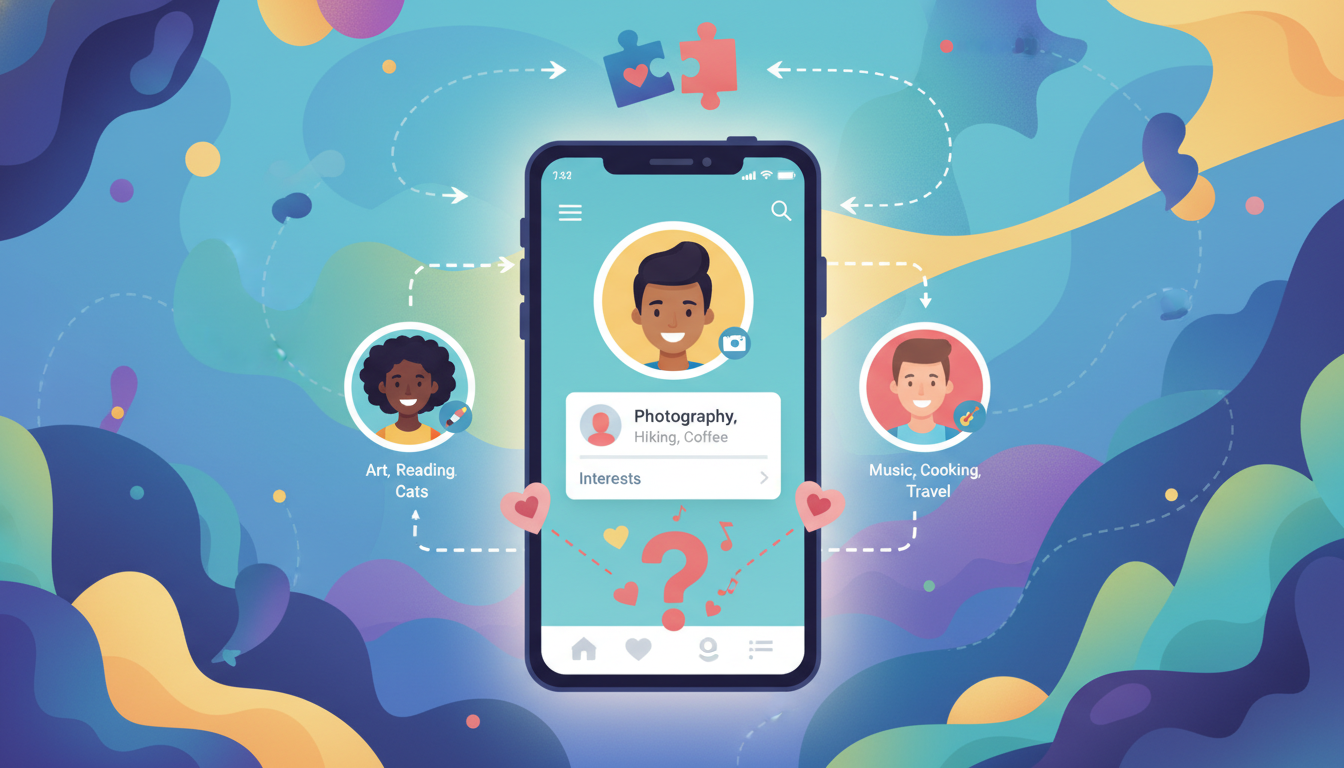
Many adults use dating apps with a clear goal: to find a committed partnership. A serious relationship means mutual commitment, shared future plans, emotional investment, agreed exclusivity, and ongoing effort. Knowing this goal helps when presenting yourself and choosing who to pursue.
Ads
People turn to dating apps for serious dating for practical reasons. Limited social circles and busy work schedules push adults online. Users may be at different life stages but often want partners who share values and long-term goals.
It’s important to have realistic expectations. Dating apps are tools, not guarantees. Success depends on clear choices, consistent effort, honest talks, and emotional readiness.
Prioritizing safety, consent, and boundaries makes the process healthier and more sustainable.
This article guides readers with practical steps: picking apps that fit commitment goals, improving profiles for serious dating, and writing messages that invite depth. It also covers screening for compatibility, moving from chat to real life at a good pace, and building trust for long-term relationships.
Key Takeaways
- Define what a serious relationship means to you before using dating apps.
- Choose platforms and settings that support commitment-minded dating.
- Use clear, honest communication to signal long term relationship intent.
- Treat apps as tools; consistent effort and safety matter most.
- Screen for values and timelines early to assess compatibility.
Why Dating Apps Can Work for Long Term Relationships
Digital platforms have changed how adults meet today. Fewer people meet by chance anymore. Many now find partners outside their social circles through dating apps.
Connecting online first is common and accepted for serious dating.
The changing landscape of modern dating in the United States
Meeting someone online does not carry a stigma like before. People use apps to widen their social reach and find partners with shared values.
This change helps singles meet people beyond work, friends, or chance meetings.
Statistics on app success rates for committed partnerships
Recent surveys show more long term relationships start online. Many couples say they met via apps or websites, a number growing over time.
Success depends on the platform, user intent, and region. These numbers give context but do not guarantee results.
Advantages of apps: scale, filtering, and intentionality
Apps offer access to a large pool of potential partners. This helps people meet more candidates than local networks allow for long relationships.
Filtering tools let users screen profiles for shared values and life goals. Profile sections and clear prompts show readiness for Serious Relationships and commitment.
Intentional features encourage honest signals. Relationship-type settings and conversation prompts help speed agreement on expectations.
- Scale: broader reach beyond existing networks.
- Filtering: searchable preferences and profile details.
- Intentionality: settings and prompts that signal readiness for commitment.
Apps are not perfect. Too many choices can slow decisions. Profiles may misrepresent intentions.
Active screening and steady communication are still key for those seeking Serious Relationships.
Choosing the Right App: Tinder Relationship vs Bumble Dating and Others
Picking a platform shapes how you meet people and what kinds of connections appear.
Some users prefer the broad reach of mainstream dating apps. Others choose niche services that match on values or life goals.
Read on to compare three common paths: Tinder, Bumble, and specialized options focused on commitment.
How Tinder relationship-focused features differ from casual options
Tinder began with a swipe culture linked to casual encounters.
The app has shifted to include tools that help signal long-term intent.
Profile badges and expanded prompts let members note interest in serious dating or a long-term relationship.
These features do not remove casual users, but they raise chances of matching with people who share commitment goals.
Using clear language in your bio and selecting relationship-oriented settings improves match quality on Tinder.
Bumble dating dynamics and the role of women-first messaging
Bumble puts the first move in the hands of women.
That structure changes early exchanges and can make chats feel more deliberate.
Many users report fewer low-effort openings compared with other apps.
Profile prompts, verification tools, and search filters support serious dating on Bumble.
The messaging rules encourage thoughtful conversation.
Users who want commitment often find this design helps weed out casual behaviors.
Specialized apps for commitment-minded singles
Some platforms target people focused on long-term partnership.
Hinge promotes a “designed to be deleted” approach, while eHarmony uses compatibility algorithms to match core values.
Other niche services serve faith groups, professions, or lifestyle priorities.
- Pros: Higher signal of intent, clearer shared goals, refined matching logic.
- Cons: Smaller pools, less geographic variety, potential wait for good matches.
Choosing between a mainstream app and a specialized one depends on your tolerance for volume versus specificity.
Combining a broad platform with a niche service can help balance reach and commitment focus.
Optimizing Your Profile to Attract Commitment
A thoughtful profile clearly states you want serious dating. It shows you are ready for a long-term relationship. Small choices in photos, bio lines, and prompts shape how others see your values and commitment.
Use each element to create an honest picture. This invites compatible partners to reach out and connect with you.
Profile photos that communicate stability and authenticity
Start with a recent, high-quality headshot that shows your face clearly. Add a full-body photo to give context. Include one or two lifestyle images that show hobbies, travel, or social life.
Choose attire that suggests maturity and comfort. Casual smart clothes work better than nightlife looks. Avoid heavy filters, group shots that hide you, and images revealing addresses and routes.
These choices help users trust your profile. They improve profile optimization by showing stability and authenticity.
Crafting a bio that signals long term intentions without sounding rigid
Keep the bio concise and warm. Use phrases like “interested in building a lasting partnership” or “looking for a relationship that grows over time”. Avoid sounding like you are giving ultimatums.
State core values and relationship priorities in plain language. Tell what a partner can expect from you. Mention shared goals, communication style, or family plans.
Invite conversation with a question or a prompt about weekend habits. This makes engagement easy and natural.
Which prompts and details to include to attract like-minded partners
Choose prompts that show curiosity, empathy, and a future focus. Good options highlight favorite routines, meaningful goals, or one real dealbreaker. Balance clarity with openness.
- Mention desire for children or preferences about relocation when relevant.
- Note work-life balance or key values like honesty and kindness.
- Use verification and keep answers consistent across photos and bio to reinforce honesty.
These elements boost your profile optimization and chances of serious relationships. They help guide matches toward meaningful connections and shared commitment.
Messaging Strategies That Move Beyond Small Talk
Good messaging strategies set the tone for serious dating and help you spot shared values early. Short, attentive messages beat generic greetings. Aim to prompt a story, surface compatibility cues, and signal your own intent without pressure.
Opening lines that invite meaningful conversation
Reference a profile detail to open. For example, mention a travel photo: “That mountain shot looks amazing—what was the best part of that trip?”
Ask about a hobby prompt: “You list cooking—what dish do you make when you want to impress?” These openers show attention and invite narrative replies.
Good openers perform better because they require more than yes or no answers. They reveal priorities, sense of humor, and conversational style. Use specific references on Tinder or Bumble profiles to increase response quality.
Balancing curiosity, vulnerability, and boundaries in early messages
Start with open-ended questions that encourage sharing. Pair them with a brief personal detail to model vulnerability, such as a two-sentence anecdote about a weekend hobby.
Keep disclosures small and relevant. Watch for reciprocity. If someone answers thoughtfully, respond in kind.
If messages feel one-sided, pause and reassess. Respect boundaries by avoiding intimate or financial topics early. Friendly, calm language helps maintain safety while you learn about commitment preferences.
When to suggest a voice or video call to build rapport
Move to a short call after a few substantive exchanges. A 10–15 minute voice or video chat verifies chemistry and communication style faster than long text threads.
Propose a neutral time and keep the invitation casual: “Would you be up for a quick 10-minute call this week?” Use in-app calling when available to protect privacy.
Accept a request to wait if the other person prefers more messages first. Pacing these transitions shows respect and signals readiness for commitment without rushing the other person.
Screening for Compatibility and Commitment Signals
Moving from chat to clearer fit assessment helps keep serious dating efficient and respectful. Use direct but gentle questions. Learn about values, future plans, and priorities before investing much time.
A simple framework reduces guesswork and makes commitment expectations clear without pressure.
Questions to assess values and future plans
- Where do you see yourself in five years, personally and professionally?
- How do you feel about having children or building a family?
- What role do finances play in your life and relationship planning?
- How do you balance work, friendships, and downtime?
- What does a healthy partnership look like to you regarding roles and responsibilities?
Phrase these as invitations: “I’m curious about…” or “How do you feel about…” to encourage conversation. Use follow-ups to explore nuance instead of accepting short answers.
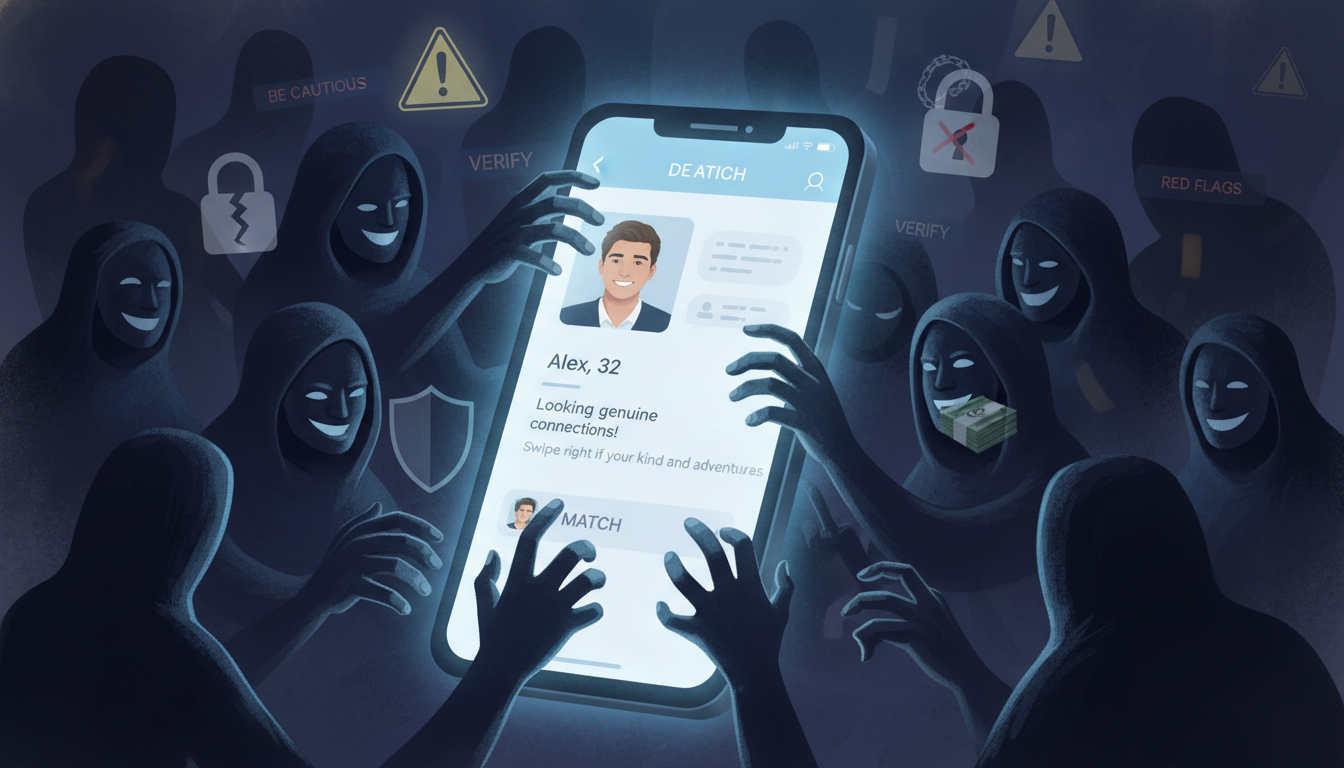
Red flags and inconsistent behaviors to watch for
- Evasive or vague answers about relationship goals that repeat across topics.
- Communication that is erratic: long silent gaps then intense messages.
- Repeated cancellations or refusal to meet within a reasonable time.
- Language that seems controlling, dismissive, or manipulative when boundaries are set.
These patterns reveal how someone handles responsibility and respect. Pause the connection to ask for clarification when a pattern appears. If answers stay unclear or defensive, consider ending contact to protect your time and well-being.
How to evaluate timeline compatibility
- Map immediate vs. long-range goals: decide on immediate commitment or slower path to a long-term relationship.
- Discuss openness to major moves like relocation or career shifts that affect plans.
- Use milestone talks—exclusivity, moving in, marriage—to compare pacing and avoid mismatched expectations.
Keep timelines concrete but flexible. Ask, “What timeline feels realistic to you for commitment?” Share your milestones. Matching timing matters for serious relationships and prevents surprises later.
Consistent screening helps spot partners who share priorities and respect boundaries. Treat commitment as a shared decision, not a checklist. Let clear signals guide you on deepening the connection.
Moving from App to Real Life: Dates, Pace, and Boundaries
Meeting in person is an important step in serious dating. A clear plan helps both feel safe and respected.
Aim for a short, low-pressure first date. This lets you test chemistry and set follow-up expectations.
Setting expectations for first dates and follow-ups
Pick a public, comfortable spot like a café or park for early meetups. Set a start and end time so no one feels trapped.
Say something simple such as, “Let’s meet for 45 minutes and see how it goes.” If interest is mutual, agree on next steps before parting.
A quick message the same evening is polite and avoids guesswork. If you prefer to wait, say so; honesty shows commitment.
Pacing the relationship: intimacy, exclusivity, and commitment milestones
Relationships move through common milestones: repeated dates, meeting friends, defining exclusivity, and planning for the future. Use these to discuss expectations clearly.
When both show repeated interest, bring up exclusivity calmly. Try: “I’ve enjoyed our time together. How do you feel about seeing only each other?”
Talking about pace helps both partners feel comfortable and reduces pressure.
Maintaining personal boundaries while building connection
Boundaries protect your time, privacy, and emotional energy. State limits kindly, like: “I need a day to recharge after work; I won’t be available every evening.”
This kind of clarity supports healthy pacing and relationship habits. Keep hobbies, friendships, and work active while dating.
Self-care lowers the chance of rushing into a long-term relationship too soon. If a partner pushes limits, restate boundaries or pause contact.
- Choose short, safe first dates to gather information.
- Discuss exclusivity when interest is consistent.
- Use clear statements to protect time and privacy.
- Preserve outside activities to avoid overdependence.
Serious Relationships: Maintaining Momentum and Building Trust
Keeping a long-term relationship healthy takes steady effort. Couples benefit from simple habits that make connection routine and reliable.
Communication habits that foster long-term stability
Schedule brief check-ins weekly to share needs and calendars. Use calendar reminders for important talks to avoid piling up topics.
Practice active listening by reflecting back what you heard before responding. Use “I” statements to share feelings and lower defensiveness.
Conflict resolution and aligning on core values
When disagreements arise, stay focused on the issue and avoid blame. Name the needs behind positions and seek workable compromises.
If patterns repeat, consider couples counseling with a licensed therapist. Therapy helps learn tools for fair fights and better understanding.
Discuss finances, parenting, and lifestyle priorities clearly to make values explicit. Revisit agreements as life changes to keep partners aligned.
Small, regular reviews prevent surprises and reinforce mutual trust between partners.
Turning shared goals into actionable plans together
Turn aspirations into concrete steps with joint short- and long-term goals. Create timelines for saving, relocation, or family planning.
Assign responsibilities so each partner knows their role clearly. Use regular progress reviews to adjust plans when priorities shift.
Keep flexibility in your timeline to reflect new information. This practical approach turns shared vision into steady forward motion and deepens commitment.
Conclusion
Finding a serious relationship on dating apps is possible when you pick the right platform. Combine it with clear signals and thoughtful actions.
Choose apps that fit your priorities. Create a profile that shows your commitment. Use messages that invite deep talks, not small talk.
Check for compatibility early by asking about values, goals, and timelines.
Plan careful steps into real life. Meet in public first. Have short calls before dates. Slowly move toward exclusivity. These habits lower risk and build trust.
Keep your expectations real and stay persistent. Be self-aware and follow safety rules like meeting in public.
Tell a trusted friend your plans. Use in-app verification if you can. Treat apps as tools for serious searches.
Look for relationships based on respect and true commitment.
Content created with the help of Artificial Intelligence.