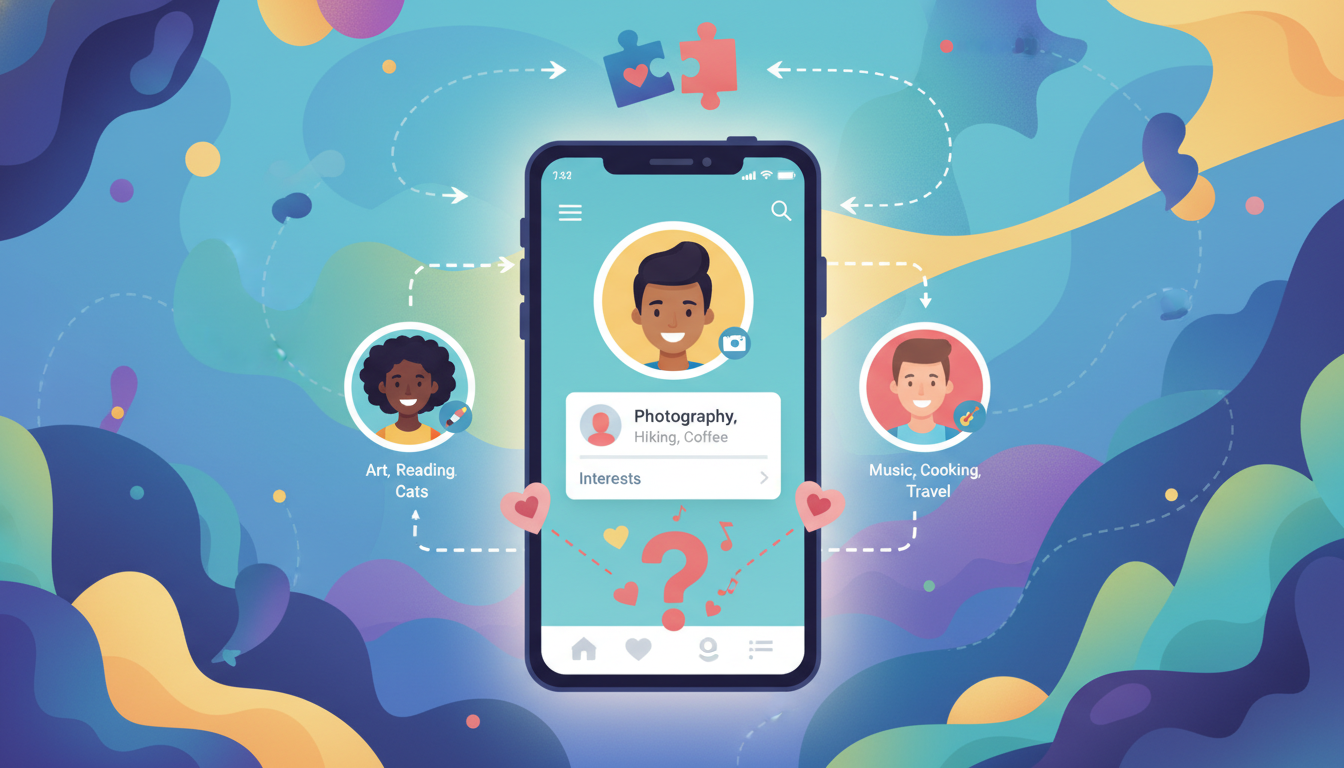
Good conversation can turn a match into a meeting. This article shows U.S.-based singles practical tips for the first date and everyday dating tips that help you craft and sustain engaging chat techniques. Strong conversational skills boost attraction, build trust, and increase the odds of a second date.
Ads
Research in communication and relationship studies links conversation quality to relationship satisfaction and initial attraction. Experts like Helen Fisher and communication scholars note that curiosity, active listening, and well-timed humor make interactions feel memorable. This piece draws on those findings to offer evidence-based guidance.
The guide is written for people who want clear, usable first date advice. We’ll cover the psychology behind engaging chat, practical openers, and how to prepare before you meet. It also shows ways to keep momentum in ongoing chats and common mistakes to avoid.
Each section includes sample scripts, timing tactics, and red-flag warnings. By the end, you’ll have replicable prompts and timing rules to prevent chat fatigue. Also, expect concise first date dos and don’ts.
You will find specific icebreakers, message timing guidance, and respectful techniques to impress on a first date without oversharing.
Key Takeaways
- Good chats increase attraction and the chance of a second meeting.
- Use curiosity, active listening, and light humor to keep conversations interesting.
- Prepare a few topics and icebreakers before a first date to reduce awkward pauses.
- Time messages to avoid chat fatigue and follow up with thoughtful questions.
- Avoid oversharing early; watch for red flags and respect boundaries.
- Apply practical scripts and simple techniques to turn chat into in-person chemistry.
Understanding What Makes Chat Conversations Interesting
Good chat feels natural because it follows human patterns of give-and-take. The psychology of conversation explains why some moves spark curiosity. Small, well-timed disclosures make others mirror your energy and return interest.
Use that idea to shape how you open, respond, and deepen exchanges.
Psychology of engaging conversations
People mirror tone and self-disclosure. Social scientists call this reciprocity: when you share a little, the other person often shares back. This speeds rapport.
Social penetration theory maps how relationships shift from surface topics to core values. Start with low-risk details and watch responses. Gradually layer more personal information.
Novelty and relevance trigger attention and dopamine. A surprising but relevant anecdote outperforms a bland comment. Choose details that connect to the other person’s interests.
Role of curiosity and active listening
Active listening in chat means asking clarifying follow-ups, reflecting feelings, and paraphrasing to show you understood. Simple prompts like “What was that like?” or “What did you learn?” invite stories and depth.
These questions turn monologues into two-way exchanges. They boost conversation engagement.
Tools such as emoji and short affirmations stand in for nonverbal cues. Referencing earlier messages and timing replies show memory and interest. On a first date, this signals emotional availability and follows common advice: be curious, not interrogative.
Balancing depth and lightness in chat
Mix light topics—hobbies, travel, food—with occasional deeper questions about values or goals. A practical ratio for early interactions is roughly 70/30 light-to-deep. This balance sustains momentum while building trust.
Avoid heavy details too soon, like finances or past relationships. Respect dating etiquette by matching tone to context. Use humor or short stories to keep energy up.
Gradually increase depth as trust grows. Use relationship advice cues to steer timing and topic choice.
Practical Conversation Starters and Icebreakers
Good chat starts with a few smart prompts. Use concise, natural openers that invite stories. Show you paid attention to details.
These conversation starters and icebreakers should be easy to answer. They should also leave room for emotion or detail.
Open-ended questions that invite stories
- Travel: “What’s a trip that changed you?”
- Hobbies: “What project are you most proud of?”
- Food: “What’s a meal that makes you nostalgic?”
Open-ended questions need more than yes or no replies. Phrases like “Tell me about…” or “What’s the story behind…” feel casual.
These starters create scenes and emotions. They help with dating tips and show you can listen well.
Using situational and topical prompts
- Reference the moment: “I love this playlist—what song would you add?”
- Local or seasonal hook: “Are you checking out the farmers market this weekend?”
- Pop culture safe bet: “Did you see the new Marvel film—what did you think?”
Leverage context to make conversation feel immediate. Situational prompts give both people a shared reference point.
Avoid divisive topics early on. Stick to light news, events, or the venue vibe for a smooth start.
Personalized starters based on profile cues
- If someone lists hiking: “I noticed your photo on the Appalachian Trail—what was the most memorable view?”
- If they mention a pet: “Your dog looks like trouble in a good way—what’s their funniest habit?”
- If they mention a job or side hustle: “That pottery studio sounds cool—what piece taught you the most?”
Personalized openers prove attention and feel flattering. A compliment-plus-question combo works well. It signals interest and sets the stage for deeper chat.
These tactics tie into best first date tips. They help you impress by building rapport before meeting.
Use a mix of these approaches to craft icebreakers that fit the person and moment.
Thoughtful prompts make transitioning from chat to in-person easier. They support lasting momentum in conversation.
Tips for the First Date
Moving a chat into real life feels exciting and a little nerve-racking. Use simple planning and gentle pacing to build comfort and spark chemistry. These tips focus on preparation, smooth transitions, and clear guidance on what to say and avoid.
Preparing conversation topics before you meet
Choose 6–8 go-to topics so you never hit awkward silence. Try favorite travel memories, current passion projects, and funniest work stories. Also include ideal weekends, favorite local spots, and recent books or movies.
For each topic, jot a follow-up question and a short story you can share. Research the venue and skim your chat history for shared interests. Tailor a talking point if they love coffee or hiking. This prep shows respectful attention and fits dating etiquette.
Transitioning from chat to in-person chemistry
Keep continuity by referencing a chat story when you meet: “You said you love jazz—there’s a cozy place nearby.” That link makes the shift natural and intentional. Send a light confirmation message the day of to set the tone and reduce anxiety.
Use open body language, steady eye contact, and a warm smile. Mirror energy subtly to match comfort without copying. Let the first 10–15 minutes be small talk. Then ease into deeper subjects once you both relax.
What to say and what to avoid on a first date
Say open-ended questions and sincere compliments about effort—like outfit or choice of place. Use curious follow-ups, light humor, and brief vulnerable disclosures to signal trust. These tips keep the conversation balanced and human.
Avoid intensive interrogation, ex-partner stories, detailed financial talk, and heavy plans like marriage or kids early on. Steer clear of hot-button topics unless invited. Respect boundaries about personal address and intimate details for safety.
End clearly. If interested, suggest a specific follow-up plan. If not, be polite and appreciative. These dos and don’ts help close with clarity and kindness while impressing on a first date without oversharing.
Techniques to Keep Momentum in Ongoing Chats
Keeping a chat lively takes small, consistent moves. Use layered questions that go beyond facts.
After someone says they enjoyed a trip, ask what surprised them or what they learned. This shows attention and invites richer replies.
Try callbacks to prior topics. Mentioning a past detail—”How did that interview go?”—signals memory and care.
Balance follow-up questions so the other person can respond. Let messages breathe and acknowledge answers before asking more.
Mixing tone keeps conversations fresh. Alternate a playful tease with a sincere question.
Light humor eases tension; self-deprecating lines work when natural. Avoid sarcasm that can be misread in text.
Share brief, honest anecdotes to open space for reciprocity. A story about learning piano as a teen invites similar sharing.
Curiosity should guide your questions—ask to understand, not judge.
Timing affects energy. Match the other person’s rhythm and aim for same-day replies with new matches.
Avoid seeming always available. If chat sags, suggest something simple: swap a playlist, propose a call, or plan coffee.
Watch for burnout signs: delayed replies, one-word answers, or frequent cancellations. When seen, check in or give space.
Avoid long message dumps; keep texts easy to scan. End with a clear call-to-action or gentle question.
- Layered follow-up questions: ask about feelings, motivations, and outcomes.
- Mix humor with vulnerability to vary emotional tone.
- Match message cadence and use pause strategies to prevent fatigue.
- Use callbacks to show memory and investment in the chat.
These chat tips blend well with first date and relationship advice when moving from messaging to meeting.
Use the best first date tips by keeping momentum online. This builds a strong foundation for in-person chemistry.
Common Mistakes and Things to Avoid in Chat and Dating
Starting a chat or meeting in person can feel exciting and fragile. Small mistakes can quickly stop the chemistry. This guide points out typical errors and ways to protect your comfort and safety during dates.
Over-sharing too soon and red flags to watch
Over-sharing means sharing deep emotional troubles or financial issues too early. This can make others uncomfortable and push trust too fast.
Look out for red flags like inconsistent stories, evasive answers, possessive talk, or repeated boundary crossing. Respond carefully if you see these. Keep your sharing short and wait for clear signs before going deeper.
Conversation killers and how to recover
Conversation killers include talking too much, checking your phone, being negative, interrupting, or focusing only on yourself. These behaviors kill good talks.
- Use light humor to ease an awkward silence.
- Talk about a sensory topic like food or the place to bring interest back.
- Suggest an easy activity like a walk or going somewhere else to change the mood.
If you make a mistake like a bad joke or oversharing, say sorry briefly. Explain what you meant and change the subject to something neutral and positive. This helps keep things good and reduces harm.
Respecting boundaries and reading signals
Boundaries can be clear or subtle. Respect direct refusals and notice signs like short replies or avoiding eye contact. These are important signals too.
Practice asking before physical contact and accept a polite “not yet” without pressure. If someone seems distant, ask if they want to change topics or take a break.
If someone breaks boundaries a lot or acts manipulative, protect yourself by stepping back. These tips help keep dating safe and respectful.
Conclusion
This guide showed why some chats catch attention and how to use practical openers for better starts. It covers real-life meetups and keeping conversations going. We explored engaging talk psychology and tested icebreakers and profile-based starters.
We also reviewed tips for the first date and highlighted common mistakes that can ruin connection. The guide offers a clear framework for respectful and interesting exchanges.
Use this short checklist before your next meetup: prepare six topics to pivot to. Pick personalized icebreakers from a profile. Send a light pre-date message.
Set a healthy message pace to avoid chat fatigue. These steps match advice that values simple planning and thoughtful preparation.
Remember, curiosity, respectful listening, and consistent preparation are key skills to impress on a first date. Practice these with friends or at casual events.
This builds confidence and helps you refine your timing and tone. For growth, read relationship psychologists and communication experts. Test approaches in real conversations.
With steady practice and focus, you’ll turn simple chats into meaningful connections. This leads to better results on first dates and beyond.
Content created with the help of Artificial Intelligence.