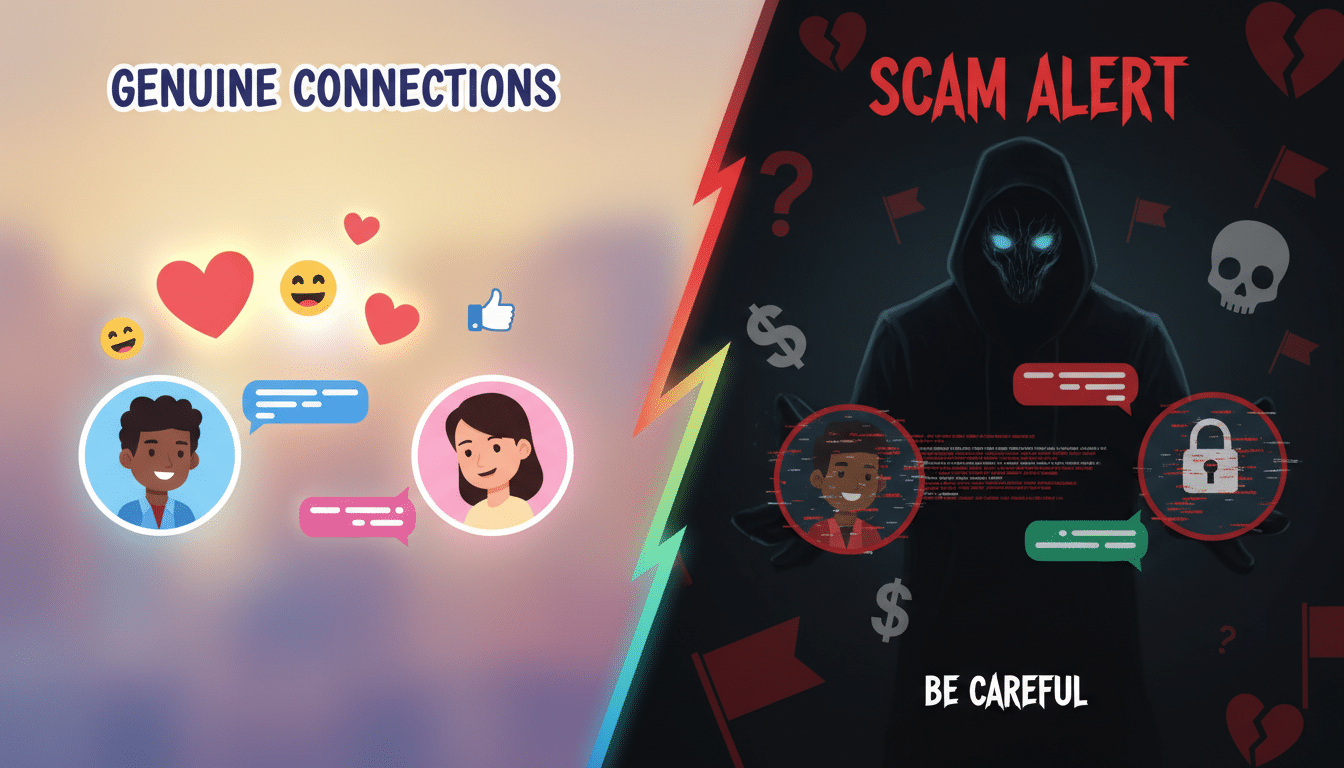
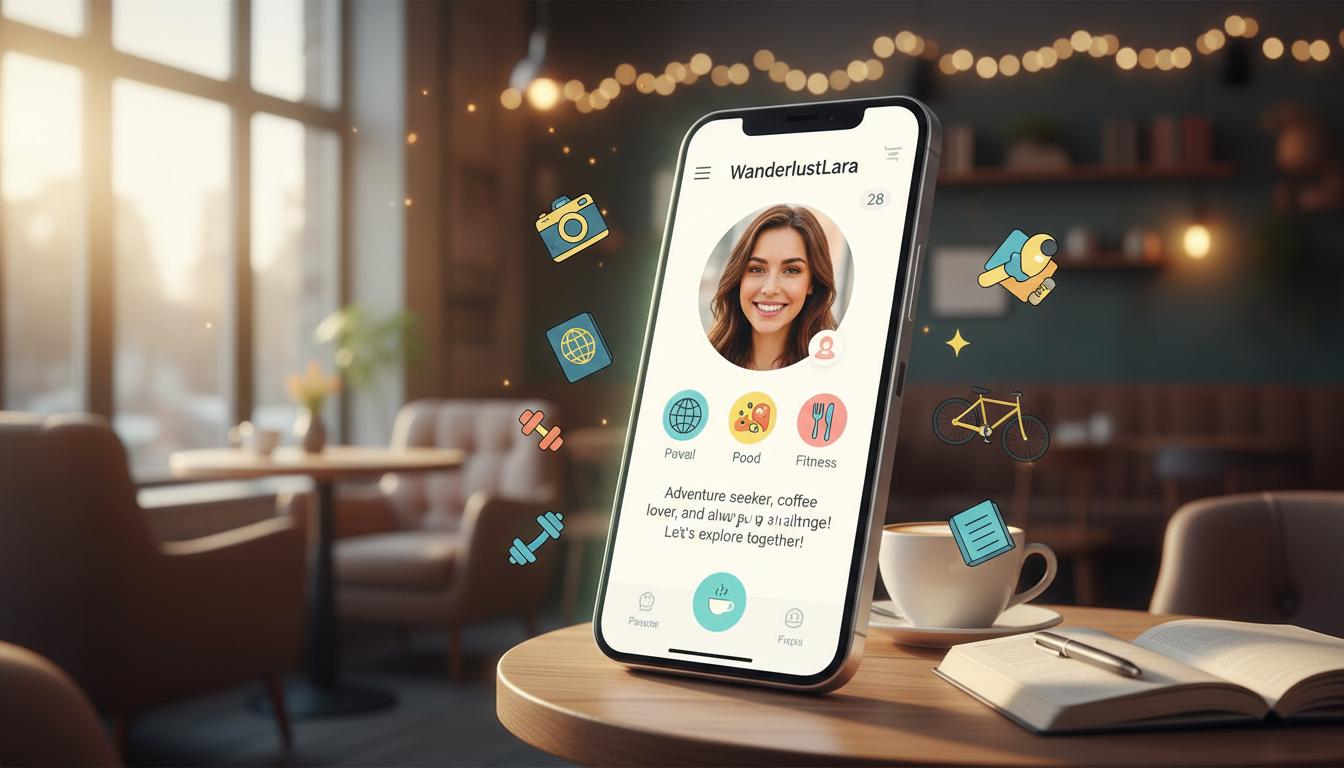
Discover the good and bad about Bumble, a dating app putting women first. See if it fits what you’re looking for.
Ads
In 2014, Whitney Wolfe Herd introduced Bumble. It started as a dating app where women take the lead. Now, it’s grown to include Date, BFF, and Bizz. Millions use it in the U.S. and around the world. We’ll check out how Bumble operates, its advantages and downsides, what users think, and its safety and privacy features.
This article is aimed at singles wanting to date, folks wanting to make friends, and professionals looking to network. If you value a women-first approach, safety, and finding meaningful connections, read on. This will help you see if Bumble is right for you.
Key Takeaways
- Bumble is a women-first dating app that also offers BFF and Bizz modes for friends and networking.
- The platform emphasizes safety and verification to support more respectful interactions.
- Bumble can boost meaningful matches but has trade-offs like time limits and regional match availability.
- Interface and profile tools make it easy to use, though some advanced features require payment.
- Readers will find a balanced look at pros and cons to determine if Bumble is the right match.
Overview of Bumble and how it works
Bumble is an app for dating, making friends, and networking. It teaches users about matching, messaging first, and how to set up a profile. Its unique approach combines various interactions.

Bumble
What sets Bumble apart
Bumble is different because it lets women message first in straight matches. If both swipe right, the woman has 24 hours to reach out. This method aims to cut down on unwanted texts and promote respect.
Signup and profiles
Creating an account is easy. You can sign up with your phone number, Apple ID, or email. You’ll add photos, a brief bio, job, education, and maybe some fun facts. Photos can be verified for extra safety, showing a badge on your profile.
Match mechanics in practice
Matching happens when two users like each other. They have 24 hours to start talking, or the match ends. In same-sex matches, anyone can message first, not just women.
Modes: Date, BFF, Bizz
Bumble has three modes for different needs. Date is for finding romance, BFF for new friends, and Bizz for career networking. Each mode uses swipes to show interest.
BFF is all about friendship and doesn’t have gender rules for messaging. Bizz lets people network, focusing on professional life and skills.
Switching modes and user experience
You can switch modes easily in Bumble. This keeps dating, friendship, and networking separate. It helps users find what they’re looking for without confusion.
Benefits of using Bumble for dating and connections
Bumble stands out in the dating app scene by putting control and respect first. It helps meet new people in various ways. We’ll look into its support for women-led interactions, high-quality matches, and tools for safe, significant connections. This includes dating, finding friends, and networking.
Empowering women to make the first move
Bumble lets women take the lead in starting conversations. This reduces unwanted messages and calms the initial interaction. Users feel more confident and clear about their intentions when women send the first message.
In same-sex matches, both sides have equal chances to initiate. This fairness leads to higher-quality matches. It filters for those who are truly interested, not just casually swiping.
Built-in safety and verification tools
Bumble has tools to verify profiles and moderate content, combating fake profiles and abuse. An in-app selfie process checks if users’ photos are real, giving them a verified badge.
With automatic and human checks, harmful content is flagged. Plus, the app offers safety tips for meeting up and sharing plans with friends. These features make Bumble safer for everyone.
Encourages meaningful conversations and respectful behavior
Bumble uses time limits and prompts to spark real conversations. Users have 24 hours to reply, turning potential matches into active conversations.
Thanks to strict community rules and tools for reporting, harassment is taken seriously. This fosters a respectful community, making good behavior the standard, not the exception.
Versatility: dating, making friends, and professional networking
Bumble is not just for dating; it’s also for making friends and networking. With separate modes for Date, BFF, and Bizz, switching is easy. No need for multiple apps.
Different profiles for each mode keep professional and personal lives separate. It’s great for those moving places, studying, or changing jobs. This versatility helps find local friends or contacts while keeping the quality of matches high.
Potential drawbacks and limitations of Bumble
Bumble helps many, but it isn’t perfect. It has some downsides, based on its setup and business strategy. These issues can affect how people use the app. Here, we explore common problems and limitations to think about before using Bumble.
Time limits and pressure from the 24-hour rule
The 24-hour rule to start chatting adds pressure. If you’re busy with work or being a parent, you might miss chances to connect. This rule is often seen as a drawback because it rushes users, instead of letting things happen naturally.
Some buy extra time or features to keep matches from disappearing. This makes it seem like Bumble uses basic issues to make money. How much the 24-hour rule affects you varies, depending on your schedule and how you message.
Limited matches in less populated areas
In cities, Bumble gives lots of potential matches. But in rural or suburban areas, finding matches is harder. This means Date, BFF, and Bizz modes don’t work as well outside of cities.
Using distance filters and travel mode can help a bit. Still, it doesn’t solve the issue of not having many options locally. This is true for those looking for friends, not just dates.
Paid features and subscription costs
The free version of Bumble lets you swipe and chat. Paying gives benefits like unlimited swipes and seeing who liked you. These can help you match faster and find people you might overlook.
The cost of subscribing varies based on location and platform. However, some think it’s not worth the price. This is because paying more doesn’t always lead to finding the right person or a long-term match. What seems useful early on can feel like a barrier to a better experience later.
Occasional issues with spam or low-quality profiles
Even with checks, fake profiles and scams still pop up. Bumble tries to catch these through automated and manual checks, but it takes time. This delay means spam profiles can stay around, making users wary.
Profiles that don’t try hard to stand out are also an issue. They make it hard to start a good conversation. Users often report or ignore these, but spam profiles are still annoying to deal with.
User experience and design considerations
The Bumble experience focuses on a neat layout that makes photos stand out. It’s easy for new users because of the swipe actions and short bios. Mainly, it lets pictures do the talking when you first meet someone.
Ease of use: interface and navigation
Switching modes on the home screen is straightforward. This lets you easily switch between dating, finding friends, or networking. Everything is labeled clearly, avoiding mistakes when choosing what you’re looking for.
Searching for people is easy with basic filters like age and distance that are clearly marked. For more specific searches, there are advanced options for those with premium access. The app is designed to be user-friendly across different devices.
Profile customization and photo/display options
Profiles are designed to focus on photos and conversation starters. You’re encouraged to share several pictures and interesting details to reflect your personality. Adding extras like music favorites or badges makes your profile stand out.
Linking your Instagram or Spotify adds more flair to your profile, though updates might change how they look. Verification and tags help others understand you better at a quick glance.
Notification settings and managing matches
You can set notifications to only get the alerts that matter to you. Adjust the settings to avoid too many notifications but stay updated on new messages or matches.
When managing connections, it’s all done within the chat. You can stop talking, block, or report someone if necessary. The app also reminds you to keep up with conversations before they expire.
Bumble safety, privacy, and moderation features
Bumble uses tools to create trust. It lets users verify identities, report issues, and manage personal info. Learn how the app promotes safety to make better choices when you match and message.
Photo verification and profile moderation
With photo verification, users send a live selfie. Moderators compare it to profile photos. A badge on confirmed accounts shows they’re real, cutting down on fake profiles.
Profile checks use both automated systems and real people. They look for inappropriate content or bad behavior. If they find something wrong, content can be taken down, and accounts may be suspended.
Bumble keeps updating how it verifies users and moderates content. This is to catch new ways people might abuse the system and keep users safe.
Reporting, blocking, and safety center resources
Users can report or block others right from a chat or profile. These reports go to the Bumble safety team for action.
The safety center provides tips and advice for meeting up safely. It shows how to spot scams, and directs to helpful external sites. It also lists emergency features that change by location.
Privacy controls and data handling
Bumble gathers info like profile details, how you use the app, messages, and where you are. This info helps in finding matches and customizing the app’s experience. What’s collected depends on your settings and device permissions.
Users can adjust who sees their profile, unlink social accounts, and opt out of data sharing where allowed. The privacy policy details how long info is kept, how it’s shared, and your rights under U.S. law.
- Bumble safety improves when you verify your profile and use features to report and block if necessary.
- Photo verification and profile moderation team up to fight against fake accounts.
- Using Reporting and blocking helps keep the community safe after bad experiences.
- Privacy controls empower users to choose what they share. The policy clearly outlines data handling.
- The safety center inside the app offers guidance and useful links for staying safe both offline and online.
Conclusion
Bumble has its good and bad points to think about. It lets women make the first move and has safety features like photo checks. This app is great for finding dates, friends, or business contacts because of its special modes.
But, there are downsides. The 24-hour time limit for replies might stress you out and cause you to miss chances. In places with fewer people, finding matches can be hard. Even though the app tries to keep out spam, some sneaks through.
If you’re in a city and care about safety and taking charge, Bumble could be right for you. But if you’re busy at odd hours, live in a less crowded area, or don’t like rushing, maybe look at other options or Bumble’s paid features. Make your Bumble profile stand out by choosing clear photos, filling out your info, turning on photo verification, and checking your privacy settings.
Feel free to switch between Date, BFF, and Bizz modes based on what you’re looking for. Remember to use Bumble’s safety features and be thoughtful when reaching out to others. Check out Bumble and see if its focus on women’s safety and authentic connections fits what you want.
Content created with the help of Artificial Intelligence.