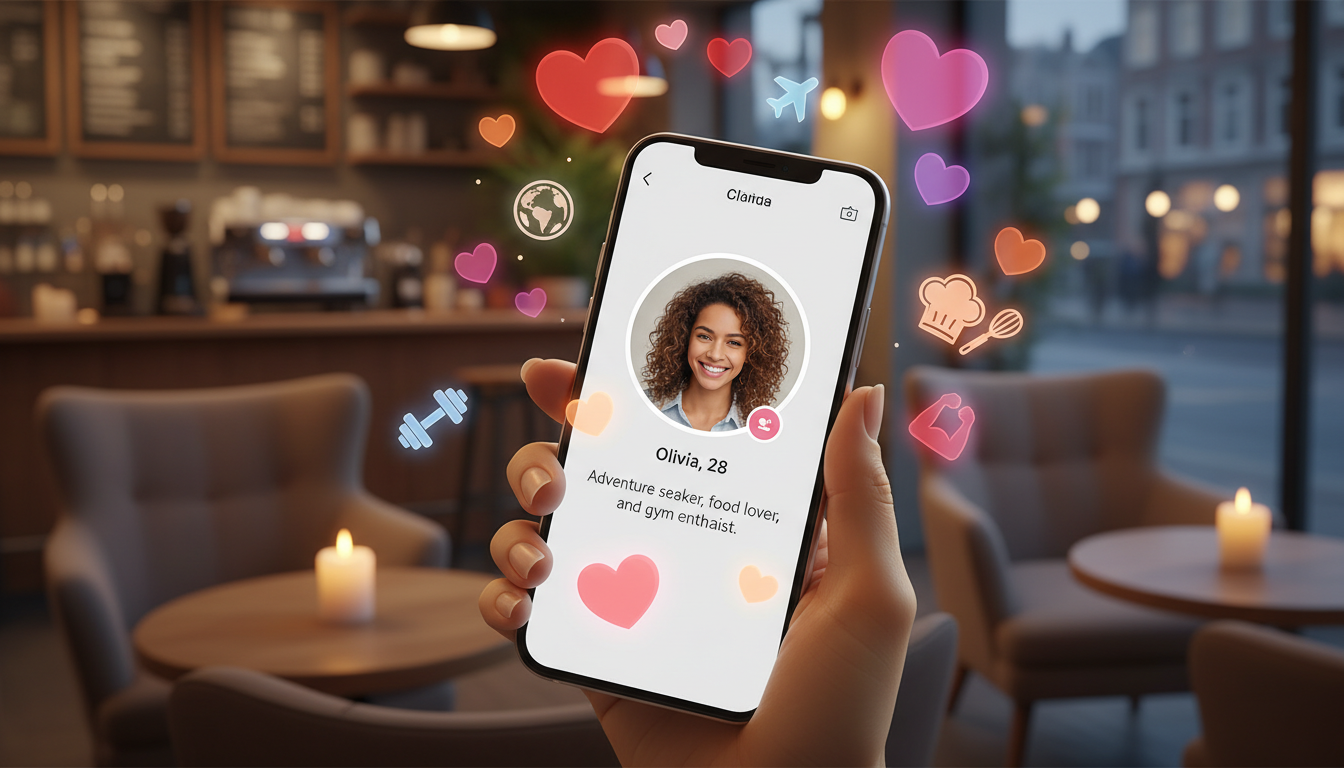
A short video call can quickly verify someone before you meet them. Platforms like Tinder, Bumble, LinkedIn, TaskRabbit, and Airbnb use video to cut down on uncertainty. This quick video chat works better than texts and photos for a pre-meeting check.
Ads
Live video allows you to see and hear the person. This gives you a chance to check if they are who they say they are. It also helps with basic safety checks and planning where to meet. For singles, people hiring freelancers, or setting up interviews, it’s a key step for safety.
This article will show you how a Video Call First approach can lessen risks and lead to better meetings. You will get tips on how to prepare, which platforms are best, and how to deal with any concerns. Think of it as an essential step for safe and clear meetings.
Key Takeaways
- Use a Video Call First to confirm identity and assess real-time chemistry.
- Short video checks serve as a reliable form of pre-meet certification.
- Video-first meetup steps improve online to offline verification and virtual meetup safety.
- Popular platforms like Zoom, FaceTime, and in-app video tools make this easy.
- A brief call can flag red flags early and save time before scheduling in-person meetings.
Video Call First: Why it’s the Ultimate “Certification” Before Meeting In Person
Video Call First: Why it’s the Ultimate “Certification” Before Meeting In Person is key to this article. It directs readers and search engines to advice on using video calls as a check before meeting face-to-face.
Exact phrasing as the primary topic
Using the full headline signals our focus. People looking for video call tips find precise answers. The phrase matches their search and tells them what to expect from our advice.
Why using this phrase helps SEO and user intent
Long, detailed keywords draw in folks seeking safe meeting tips and verification steps. That specific search shows users are after comfort and practical advice. Adding this phrase in headers and first sentences makes the article more relevant for those searches.
How this concept frames the rest of the article
This video-first idea shapes our practical advice. Next sections will cover live identity checks, how to prep for calls, and choosing platforms like Zoom or FaceTime. They will also address common worries.
The video call acts as an easy but effective safety step. We’ll go from the benefits to checklists and real-life examples. Our guide will always focus on safe, video-first meetups.
Benefits of a Video Call First for Safety and Compatibility
Starting with a video call has quick, big benefits. It lets you see and confirm who you’re chatting with. This adds an extra layer of safety before you meet someone face-to-face. It helps make meeting up safer and smarter.
Real-time identity checks and fraud prevention
Video calls let you check if profile photos are real right away. On platforms like Facebook, Instagram, and dating apps, seeing someone live makes fake accounts easy to spot. Video chats help stop catfishing by catching false or stolen images.
Gauge chemistry, tone, and mutual expectations
Video calls show a person’s voice, face, and how they react better than texts. You can tell quickly if you vibe with someone’s humor and style. Tools like Zoom or LinkedIn help test if you click before meeting. This way, you save time and know what to expect if you meet up.
Spot red flags early and boost personal protection
Video helps you see if someone dodges questions or acts strange. Noticing warning signs lets you back out before meeting. Tell a buddy your plans, meet in a public place, and check each other’s social media or work emails for safety.
- Quick ID check: Compare live video to profile pictures quickly.
- Behavior cues: Watch for how they talk, eye contact, and if they’re consistent.
- Safety steps: Let someone know when to expect you back and choose a busy spot for meeting.
A short video chat before meeting mixes these advantages perfectly. It cuts down on risks and helps you decide faster, boosting your confidence as you move ahead.
How to Prepare for a Successful Video Call First
Start by doing a quick run-through. This helps avoid any surprises. Checking your gear and surroundings ensures a smooth conversation. Follow this simple guide for preparation, setting expectations, and ensuring privacy.
Technical checklist:
- Use natural or soft light to prevent harsh shadows. Make sure your face is well-lit and centered.
- Focus on your setup: choose a good webcam or phone camera, use a headset or USB mic, and close other apps that use the internet.
- Go with a stable internet connection. Wired connections are best, but if using Wi‑Fi, stay close to the router and shut down any unneeded tabs or downloads.
- Ensure the camera is at eye level to show your head and shoulders. Turn off notifications and set your phone to Do Not Disturb. Use a tripod for stability on mobile, and check your battery.
Setting the tone and boundaries:
- Plan a quick agenda. It could be 5–15 minutes, covering introductions, confirming identities, the meeting’s purpose, and discussing next steps.
- Start the call with polite and clear language. You could say: “Thanks for doing a quick video—shall we spend ten minutes confirming plans and getting to know each other?”
- Discuss the essentials: your reason for meeting, when you’re both free, and basic meeting details. Be clear about rules on recording and sensitive topics from the start.
- Decide on sharing contact info only if both sides are comfortable. Always ask for clear permission before recording anything.
Privacy and location best practices:
- Choose a private and neutral space that doesn’t show personal details like documents or addresses.
- For added privacy, use a blurred or virtual background feature found in Zoom or Google Meet.
- Don’t share sensitive information like Social Security numbers, home addresses, or banking details. Stick to safe discussion topics until you have built trust.
- Pick a secure spot for video chats where you feel comfortable and can leave easily if needed. A living room or a quiet café with people around works well.
- If someone acts inappropriately, don’t hesitate to use the mute, block, or report functions. Always prioritize your privacy and end the call if you feel unsafe.
Video Call First: Practical Use Cases and Platforms
Video calls help in lots of daily situations. They make sure we know who we are talking to. They also set clear expectations and make decisions faster. Choosing the right platform makes every call better.
Dating, networking, and service vetting
Starting with a video call in dating is smart. It lets you see if there’s an attraction and feel safe before meeting. A quick call can show if there’s a good vibe to proceed.
Video calls speed up professional networking and job interviews. They let employers and job seekers quickly see if there’s a good match. Even big companies use video chats to find the right talent quickly.
Video calls are great for checking out freelancers too. For example, a designer can show their work live. Or, someone hiring for a ride or cleaning service can confirm details with a quick call.
Platform choices and trade-offs
FaceTime is great for private calls between Apple users. It works best if everyone has an iPhone or Mac. It’s all about hassle-free calling.
Zoom has cool features for business meetings. Things like background blur and recording options are really useful for longer talks.
Google Meet is good for teams using Google Workspace. It works well with Gmail and Calendar, making scheduling easy.
In-app video calls in dating or marketplace apps are safe. They keep your phone number private and keep everything in one place.
Choosing FaceTime or Zoom depends on what you need. Think about privacy, the devices you use, and what features you need for your meeting.
When to schedule and how long to plan
Schedule a video call when messages show interest or to discuss details. Suggesting specific times helps make planning easy.
- 5–10 minutes: quick identity check or safety verification.
- 15–30 minutes: initial dates, interviews, or project scoping sessions.
Using calendar links like Google Calendar or Calendly helps set the meeting time. Always confirm the platform and any login info before your call to keep things smooth.
Addressing Concerns and Objections About Video Calls
Many people feel nervous before a first video interaction. A short introduction helps normalize worries and shows options that respect comfort and boundaries.
Handling camera anxiety and alternatives to live video
Start with something small if you’re worried about camera video calls. You could try a voice call, exchange a brief voice note, or share a short selfie video before jumping into live video. To ease into it, practice with a friend, adjust the lighting to feel good, and take deep breaths to steady your voice.
Look into other options aside from live video like secure in-app verification, a timed selfie clip, or even FaceTime audio. These methods help confirm identities without the pressure of a live session instantly.
Privacy concerns and how to keep calls safe and consensual
It’s crucial to have consent in video chats. Both parties should agree to the call, and recording without clear permission is a no-go. It’s important to state your boundaries before the chat begins and make sure everyone agrees.
Improve your video call privacy using platform settings. Turn on encryption if you can, blur your background, and don’t show sensitive stuff or places. Platforms like Zoom, FaceTime, and Google Meet offer privacy controls to help keep things safer.
If you face harassment, note down the times it happened. Use in-app tools to report it. Remember to keep screenshots or chat records if you’re thinking of reporting to the platform.
Dealing with no-show or last-minute cancellations
Be clear about your meeting plans. Ask for a confirmation 15–30 minutes before your meet-up. Also, decide on a waiting period, like 10–15 minutes, before you hang up.
- Have a backup plan for rescheduling or an alternate contact method.
- Use a short, polite message template to suggest new times if someone misses a call.
- Watch for patterns. Frequent cancellations or evasive excuses can be a red flag when deciding whether to proceed.
Conclusion
A quick video call is a great way to increase safety and check identity before meeting in person. It’s a simple step that helps singles and professionals confirm if the other person is genuine. This helps spot any concerns early, without wasting time or having to travel.
To start video verification, follow these easy steps: confirm who you’re talking to, plan what to talk about, pick a video call app, and set up a time for the call. Use apps like Calendly to schedule, and FaceTime or Google Meet for the call itself. Before your call, make sure to adjust settings for safety, like Zoom’s waiting room feature.
When meeting in person, choose a place that’s public and well-lit. Tell a friend about your plans too. These short video chats are a smart move—they save time and lower risks. This method is popular in the US for its simplicity and effectiveness in avoiding bad situations.
Content created with the help of Artificial Intelligence.