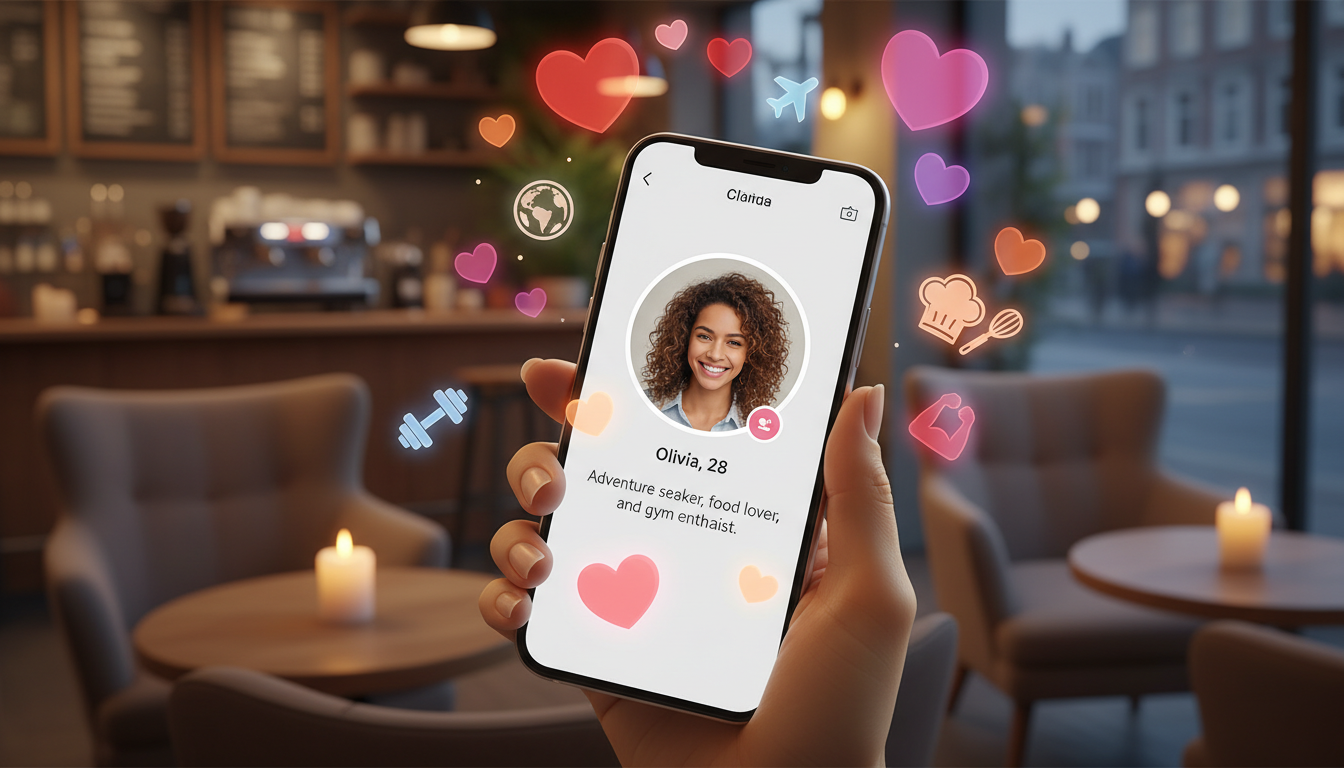
Tinder is super popular in the U.S. for dating online. People use it to find dates close by. This article talks about the Tinder 1-mile rule, why it’s risky to meet people nearby, and how to stay safe.
Ads
Understanding the 1-Mile Rule on Tinder goes beyond just distance. Cities are packed, folks are meeting up more, and we’re worried about privacy. Being close can make things happen fast, but it also brings dangers.
We’ll explain what the Tinder 1-mile rule is, the hidden dangers of nearby matches, and the risks like stalking. You’ll learn about faking your location, safety tips for Tinder, and where to get help if needed.
Key Takeaways
- Proximity on Tinder can make meetings more convenient but raises distinct safety concerns.
- The Tinder 1-mile rule highlights how close-range matches change privacy and risk dynamics.
- Be aware of tactics like location spoofing and profile misrepresentation.
- Simple precautions—meet in public, tell a friend, use safety features—reduce local dating risks.
- If you feel threatened, use Tinder safety tools and contact local authorities when necessary.
What the 1-Mile Rule on Tinder Means for Your Safety
People sometimes set their Tinder to show matches within one mile. This became popular as GPS improved on smartphones. Users adjust how far they want to search for someone, or pick a short distance to meet nearby people fast.
Definition and origins
Tinder shows local profiles first to make meeting up easier. City folks especially liked the quick meetups. The one-mile rule is chosen by some to meet people close by, like neighbors or friends of friends.
How Tinder uses distance to connect users
Tinder uses GPS and network data to guess where you are. It shows how far away other users are based on this guess. The way Tinder calculates distance can change with updates to the app or your phone’s settings.
- Free accounts stick to basic location checks.
- Tinder Plus and Tinder Gold subscribers can pretend to be somewhere else, changing who they match with.
Why distance settings matter for in-person meetups
Setting a small search area makes quick meetups possible. But, it also means people might easily figure out where you are. Being in a busy area increases the odds of matching with people you see regularly.
Using a one-mile setting for dating can make meeting faster but also more risky. Making your search area bigger gives you more privacy but less quick meetups. Always balance your safety with the need for quick connections on apps.
Recognizing the Silent Risk: Understanding the 1-Mile Rule on Tinder
Tinder’s silent risk is the unseen danger from nearby matches. When it shows users within a one-mile radius, it’s easier for someone to find and follow you, whether they meant to or not.
The danger of matches close by can vary. Someone nearby could figure out your daily routine, learn when you’re usually at certain places, or show up without warning. Stalking, continuous messages, and face-to-face harassment are more likely when the person doesn’t have to travel far.
Many think matching with locals means trust and safer meetings. But this belief can be false. Proximity ups the danger by making it easier to go from chatting online to uncomfortable meetings in real life.
Experts, like those at the National Domestic Violence Hotline, say sharing where you are online can lead to danger offline. To stay safe, think of your location as private info. Ask yourself how sharing your distance could impact your safety before you meet someone.
Young folks and city dwellers often want to meet people close by. But if you live in a dorm, shared apartment, or a busy area, you might match with people you know. This can lead to awkward or unsafe moments if personal boundaries are ignored.
Knowing about the silent risk Tinder has is key to avoiding it. Change your distance settings, look into profiles more, and choose public places for meetups. Always let someone you trust know where you’ll be to decrease risks.
Real-world Risks Associated with Close-Range Matches
Meeting someone nearby might seem convenient, but it can quickly become a safety issue. Being close makes it easy for strangers to figure out where you live, work, or hang out. Studies have shown that location features can lead to doxxing and harassment.
Privacy and stalking concerns
Seeing the same person often can reveal your daily patterns. This could let them track both your online and real-world movements. Suddenly, they might know your routine, making it easier to stalk you.
Using dating apps brings other risks too, like revealing too much about your life. Sharing where you are or photos from your area could expose your loved ones or favorite spots. Agencies and organizations warn this makes you an easy target for harassment.
Opportunities for rapid escalation and coercion
Living nearby lowers the hurdle for someone to quickly shift from messaging to showing up in person. They might press you to meet sooner or corner you somewhere close. This rush can lead to dangerous situations facilitated by careless use of app location features.
Be cautious of warning signs: someone pushing for a hurried meet-up, wanting to enter your personal spaces, or ignoring your limits. These actions might indicate they’re gearing up for more aggressive behavior.
Risks for vulnerable populations and marginalized groups
Certain groups, like LGBTQ+ individuals, those escaping abuse, sex workers, people with disabilities, and minorities face more risk. If someone can figure out where they are, it raises the chances of harm or harassment based on their identity.
This risk can force people into dangerous scenarios, resulting in both emotional and physical harm. Support networks and authorities have seen how exposing a location makes these dangers worse.
Being aware of these risks helps users choose wisely. Keep an eye on location hints in profiles, listen to your gut about situations escalating, and stay cautious with matches too close for comfort.
How People Manipulate Distance Settings and What That Means
People change their location settings on dating apps for various reasons. Some scout other cities using Tinder’s Passport feature. Others may hide their true location to protect their privacy. This mix of motives and tools means we can’t always trust someone’s posted proximity.
Using VPNs, fake locations, and app spoofing
People use GPS spoofing apps and other tools to fake their location. Tinder’s Passport option allows choosing another city legitimately, without shady tactics. Using a VPN can change your IP address. However, it won’t change your phone’s GPS location unless you also use a spoofing tool. Combining VPN and GPS spoofing can make a fake location seem real on Tinder. Yet, such methods can be risky as they may lead to errors or detection.
Misrepresenting intent to exploit proximity
Some individuals lie about only visiting a place when they actually live nearby. They might also pretend to work in the same area to seem more approachable. Scammers can use details from social media to fake shared locations or interests. They use this fake closeness to push for a meeting. Once the target lets their guard down, scammers may take further advantage of the situation.
Spotting red flags in profiles and messages
- Pressure to meet immediately or asking for specific personal locations.
- Not wanting to video-chat or sending a live photo when requested.
- Location details that don’t match up across different platforms or messages.
- Profiles with very general photos or few details that skip over personal habits or background.
To lower risks, you can ask for a quick live video chat. You can also check if their social media histories match up. Asking about mutual friends can help too. Look out for any profile signs that don’t align with what they claim. Always listen to your gut if something doesn’t feel right.
It’s hard to catch every deception. Some people use location spoofing on apps like Tinder and VPNs for innocent reasons. Yet, these same tools can help others deceive. Always be cautious, confirm who you’re talking to, and choose public places for meetings whenever you can.
Practical Safety Tips for Dating Within a 1-Mile Radius
Before you agree to meet, check the person’s identity using tools like Tinder photo verification. Look them up on Instagram or LinkedIn to ensure their info matches up. It’s also wise to have a quick live video chat or ask for a current selfie to confirm they’re the person in their profile. This forms a basic checklist to keep surprises at bay.
When sharing information, keep it to a minimum. Don’t share your home address, workplace, or daily activities too soon. Stick to mentioning a general area or a business spot when necessary. Stay within the app for chatting until you’re sure you can trust the person. Only then consider sharing your personal number.
For the first meeting, pick a safe and public place where lots of people can see you. Choose spots that are well-lit, busy, and have easy access to public transit and escape routes. Plan your own transportation. Politely decline if they offer to pick you up. These steps help you stay safe and in command.
Tell a close friend about your plans and where you’ll be. Use apps like Apple Find My or Google Maps to share your location for a while. Agree on a time for them to check in on you. Also, have a secret code word for emergencies that won’t tip off your date.
Keep your essentials, like keys, wallet, and phone, close during the date. Limit how much you drink to keep your wits about you. Think about setting a limit on how long the first date should last. Always listen to your gut—if it feels off, leave safely. These tips are valuable for dating safety.
If things get uncomfortable after the date, don’t hesitate to block and report them on Tinder. Keep a record of messages and screenshots as evidence just in case. You can also tweak your settings for distance or pause location sharing until you feel okay again. These steps are part of ensuring your safety and well-being after meeting someone on Tinder.
- Use built-in safety features like Tinder’s integrations where available and consider third-party apps for emergency response.
- Keep your phone’s OS and apps updated to reduce security vulnerabilities.
- For those with heightened privacy concerns, use non-identifying profile photos and avoid listing exact neighborhoods.
Adjust these safety tips to fit your own needs and consider seeking help from local groups if necessary. Keeping a simple safety checklist and building safe habits can help you meet people nearby confidently.
Legal, Platform, and Community Resources to Protect Yourself
Make the most of your app’s tools and legal options to be safer while dating. Here are steps to use Tinder’s safety features, know when to involve the police, and find community support for dating safety.
Tinder safety features are designed to help you quickly and reduce risks. Within the app, you can block or report others, make sure photos are real, change who can see you, and hide from those you haven’t matched with. Some places also have Noonlight for emergency help right from Tinder.
To report trouble on Tinder, go to the conversation or profile, hit the report button, and do what it says. Be sure to keep pictures of the chat, when it happened, and any other details before you report it. After, you can use Tinder’s help area to keep an eye on your report and give more information if you need to.
You can control who sees you by adjusting your discovery and distance settings and not linking to your social media. Don’t share personal stuff in messages until you really trust the person.
When to involve local authorities or legal help
If you’re dealing with serious threats, stalking, unwanted touching, or assault, talk to the police. Call 911 right away if you’re in immediate danger. For ongoing threats that aren’t urgent, gather all details before contacting the cops.
Collect proof like texts, pictures, where you were, call records, and any witnesses. This helps make your case strong and supports you if you need things like restraining orders or other legal actions.
Look for legal support on dating app issues with help from local groups, legal aid places, or private lawyers. They can guide you on what to do next, like sending warning letters, getting orders for protection, and understanding how different places handle these problems.
Support networks, reporting tools, and community groups
- National Domestic Violence Hotline: 1-800-799-7233 for crisis help and plans to stay safe.
- RAINN gives support for those who have faced sexual violence and offers advice on saving evidence.
- Local LGBTQ+ centers and school safety offices offer specific help and ways to report.
- Cyber Civil Rights Initiative and Electronic Frontier Foundation have tips on dealing with doxxing and keeping private online.
Turn to community forums and local groups to stay aware. Reporting issues helps make platforms safer and can prevent harm to others. If legal advice is needed for dating app harassment, local victim groups can provide step-by-step help and point you to the right resources.
Start early, keep detailed records, and use the tools from platforms, help from the police when needed, and support from the community for safer dating experiences.
Conclusion
The key takeaways from this Tinder 1-mile rule summary are clear: keeping matches close with the 1-mile setting can be risky. It might seem convenient, but it also raises the chances of running into trouble like stalking or rapid problems. Remember, people can trick the system by changing their location settings, making real distances misleading.
To date safely locally, follow some smart steps. Make sure to check who you’re talking to with live video chats. Keep your profile vague about personal info. Always meet in places where others are around for the first time. Tinder’s got safety features too, like confirming photos and letting you manage who sees where you are. If you run into scary messages, save them, and tell the police or call help lines in the U.S. You should also tell Tinder about anyone making trouble, so you help keep others safe as well.
This conclusion about Tinder’s nearby dating suggests a mix of ease and carefulness. Local dating brings lots of benefits if you’re smart about safety. Adjust your location settings carefully, check identities with video, and have a safe plan for meetings. These steps help protect you, making sure you can enjoy making new local friends.
Content created with the help of Artificial Intelligence.